
How To
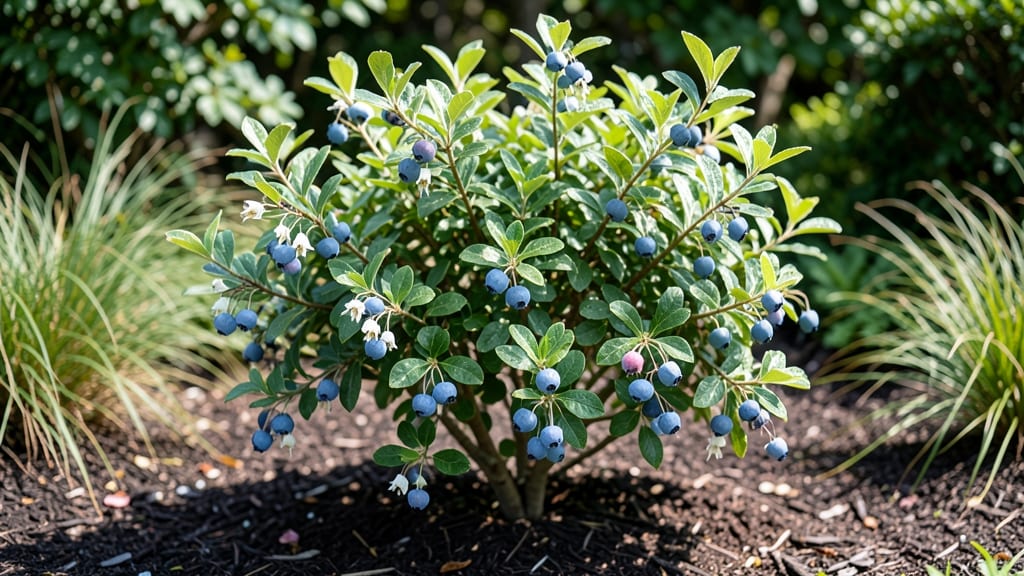
How tall does a blueberry bush grow? It depends entirely on the variety—ranging from 2 feet to over 12 feet—so choosing the right one for your space is the first step to success.
Picture this: a 6-foot blueberry bush thriving in your backyard, its branches heavy with sweet berries 🫐, while a dwarf variety fits neatly into a pot on your patio. The difference in size isn’t just about aesthetics—it impacts everything from pruning to harvest ease.
If you’ve ever wondered whether your garden can handle a blueberry bush, the answer depends entirely on the type you plant.
Highbush varieties, like the classic ‘Duke’ or ‘Jersey,’ can tower up to 12 feet tall, making them perfect for larger gardens or even as small trees with proper training. Meanwhile, dwarf varieties like ‘Top Hat’ or ‘Peach Sorbet’ stay under 3 feet, ideal for containers or small urban spaces.
Even the half-high types (around 4-5 feet) offer a middle ground for those short on space but still want a bountiful harvest.
In this guide, I’ll break down the height ranges of the most popular blueberry varieties, how their size affects care, and which types work best for your garden layout—so you can plan your blueberry patch with confidence.


Blueberry bush height by variety: dwarf to giant comparison
Choosing a blueberry bush isn’t just about flavor—it’s about space planning. Some varieties stay compact enough for container gardens, while others become towering shrubs that need room to stretch their branches.
If you’re designing your blueberry patch, knowing the mature height of each type will help you avoid overcrowding or underutilized space. Let’s break down the height ranges by category so you can pick the perfect fit for your garden.
Blueberry bushes generally fall into five main height categories: dwarf, half-high, Northern Highbush, Southern Highbush, and Rabbiteye. Each grows at a different rate and reaches a distinct mature height, which directly impacts how you’ll prune, space, and support them.
For example, a dwarf variety might top out at just 3 feet, while a Rabbiteye can soar to 12 feet or taller. Let’s explore the specifics to help you make an informed choice.
The dwarf varieties are my go-to for small spaces or container gardening. Varieties like ‘Top Hat’ or ‘Peach Sorbet’ stay under 4 feet tall, making them perfect for patios or windowsills.
If you’re growing in 5-gallon pots, these are the only types I recommend—their root systems stay manageable, and you can easily move them to optimize sunlight. Just remember, even dwarf bushes need 5–6 feet of space between plants for airflow and light penetration.
For half-high varieties, think of them as the Goldilocks of blueberries—not too big, not too small. These 4–6 footers, like ‘Sunshine Blue’ or ‘Pink Lemonade’, strike a balance between productivity and space efficiency.
They’re ideal for raised beds or mixed borders where you want a splash of color and fruit without sacrificing garden real estate. Space them 4–5 feet apart to prevent shading and encourage bushier growth.
When it comes to Northern Highbush varieties, you’re dealing with serious shrubs. Types like ‘Bluecrop’ or ‘Jersey’ can reach 6–8 feet, making them the workhorses of commercial blueberry patches. These need 6–8 feet of spacing to thrive and produce heavy crops.
If you’re planting them near a fence or trellis, consider support structures to handle their weight, especially when laden with fruit. They’re also the most cold-hardy, so they’re perfect for USDA Zones 3–6.
Southern Highbush varieties, such as ‘Southern Highbush’ or ‘Misty’, are a middle ground for warmer climates. They typically hit 5–7 feet and thrive in Zones 7–10. These bushes are more heat-tolerant than Northern types but still need 5–6 feet of space. Their spreading habit makes them great for creating living hedges or privacy screens, but be prepared for wider canopies as they mature.
If you’ve got the space—and the ambition—Rabbiteye varieties are the giants of the blueberry world. Breeds like ‘Climax’ or ‘Powderblue’ can grow 8–12 feet tall with equally wide spreads. These are best suited for rural settings or large properties where they can stretch out without crowding other plants.
Space them 8–10 feet apart, and consider dwarf fruit trees or ornamental grasses as companions to fill in the gaps. Their large canopies also make them excellent for providing shade in hot climates.
One thing I always emphasize to gardeners is that height isn’t the only factor—growth habit matters just as much. For example, Rabbiteye bushes spread widely, while Northern Highbush varieties grow more upright.
If you’re designing a blueberry hedge, opt for Southern Highbush or half-high types for a neat, uniform look. For maximum yield, taller varieties like Northern Highbush or Rabbiteye produce more berries, but they require more pruning
How blueberry bush height affects fruit production and care
Blueberry bush height isn’t just about aesthetics—it directly impacts fruit production, pruning needs, and even disease resistance. Taller varieties like Southern Highbush (up to 12 feet) produce more berries but require sturdy supports and aggressive pruning to stay healthy.
Meanwhile, dwarf varieties (2-4 feet) thrive in containers but may yield fewer berries. Understanding these differences helps you optimize your blueberry patch for both harvest potential and easy maintenance.
Taller blueberry bushes face unique challenges, like wind damage and poor air circulation, which increase the risk of fungal diseases such as botrytis blight. Their height also affects pollination efficiencyhand-pollination or strategic planting near other varieties to ensure fruit set.
Meanwhile, shorter bushes benefit from better air flow and easier harvesting, making them ideal for small gardens or urban spaces.
Here’s how height impacts key care factors, from pruning to winter hardiness:
For maximum yield, taller blueberry bushes often produce more berries per plant but require more space and intensive care.
For example, a Southern Highbush can yield up to 10 pounds of berries annually if properly supported, while a dwarf variety might yield just 1-2 pounds but with far less maintenance. Balancing your garden’s space constraints and care capacity is key to choosing the right height for your needs.
If you’re growing blueberries in containers or small gardens, prioritize dwarf or semi-dwarf varieties like ‘Top Hat’ or ‘Pink Lemonade’, which stay under 4 feet tall and produce abundant fruit with minimal pruning.
For larger yards, Northern Highbush varieties (5-6 feet) offer a happy medium between yield and manageability.
Remember: Prune in late winter to shape your bush and encourage fruit-bearing wood, and always mulch heavily to protect roots—especially for taller varieties prone to winter stress. With the right height for your space, you’ll enjoy healthier plants and sweeter harvests year after year.