
How To
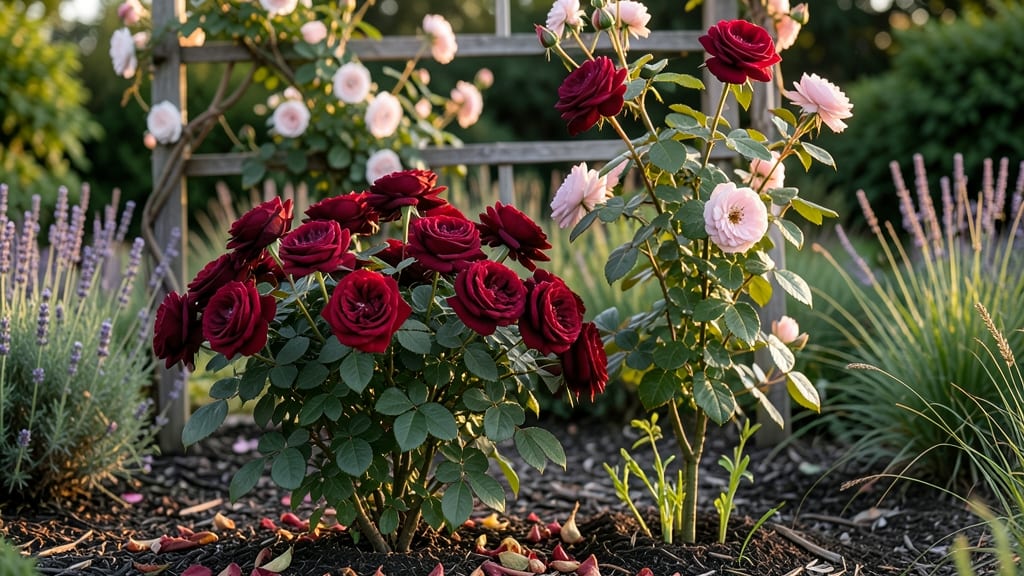
How tall can rose bushes grow? They can range anywhere from 1 foot to over 20 feet, depending on the variety you choose 🌹 — a range that changes how you plan your garden layout and care routine.
Picture this: a delicate miniature rose barely taller than your hand next to a climber that stretches taller than your garage door. That’s the kind of difference we’re talking about, and it all comes down to the type of rose bush you’re growing.
Some varieties stay compact, perfect for small spaces or containers, while others need sturdy trellises or even a wall to reach their full potential. Understanding these height differences isn’t just about aesthetics—it’s about giving your roses the right support and space to thrive.
In this guide, I’ll break down the height ranges for different rose types, share tips for managing growth, and help you decide which varieties will fit best in your garden—whether you’re dreaming of a cozy cottage garden or a dramatic vertical display.


Rose bush height by variety: miniatures to climbers explained
When planning your garden, understanding rose bush height is crucial because it directly impacts your space requirements and support needs. Some varieties stay compact enough for container gardening, while others reach heights that require tall trellises or even arches.
The mature height of a rose bush can vary dramatically—from just a few inches to over 20 feet—depending on the variety and growing conditions. Knowing these differences helps you choose the perfect rose for your garden layout and care capabilities.
Height isn’t the only factor to consider, though. Growth habits also play a role—some roses grow upright, while others sprawl or climb. For example, miniature roses are ideal for small gardens or window boxes, while climbing roses can transform a fence or pergola into a stunning floral display.
Below, I’ve broken down the most popular rose categories by their mature height ranges, along with real-world comparisons to help you visualize their scale.
🌹 Pro Tip: Always check the variety’s tag or plant description for its expected mature height. Some roses can grow significantly taller or wider than advertised if given ideal conditions.
If you’re wondering how tall miniature roses can grow, think of them as the fairy-sized members of the rose family. Varieties like 'Fairy' series or 'Tom Thumb' typically max out at 12-18 inches, making them perfect for window boxes or small containers.
These roses produce abundant blooms in proportion to their size, often flowering continuously throughout the growing season. However, their compact stature means they require less pruning and minimal support, if any.
On the opposite end of the spectrum, climbing roses like 'New Dawn' or 'Blaze' can reach 15 to 25 feet when given proper support. These varieties are vigorous growers and need strong trellises, arches, or fences to climb.
Without support, they’ll sprawl along the ground, which can lead to disease issues from poor airflow. Climbing roses are ideal for adding vertical interest to your garden and can even cover entire walls or pergolas with their lush foliage and blooms.
For gardeners with moderate space, floribunda roses like 'Iceberg' or 'Julia Child' strike a balance. These roses typically grow 3 to 4 feet tall and produce clustered blooms in a variety of colors.
They’re low-maintenance compared to climbing varieties but still offer stunning visual impact. Floribundas are great for border plantings or as focal points in mixed shrub beds.
💡 Height Hack: If you love the look of a tall climbing rose but have limited space, consider pruning aggressively to keep it under control. Many climbers can be trained to grow as shrub roses by cutting back long canes and encouraging bushier growth. This works especially well with varieties like 'Zephirine Drouhin', which can thrive as either a climber or a large shrub.
Another category worth noting is shrub roses, which are hardy, disease-resistant, and perfect for low-maintenance gardens. Varieties like 'Knock Out' roses grow 3 to 5 feet tall and produce continuous blooms with minimal care.
These roses are drought-tolerant once established and thrive in full sun to partial shade. They’re also deer-resistant, making them a great choice for rural or suburban gardens.
When planning your rose garden, always consider mature height alongside spread. Some roses, like 'Double Delight' (a floribunda), may only reach 3 feet tall but spread
When and how to prune roses for optimal height control
Pruning roses isn’t just about keeping them tidy—it’s the secret to controlling their height and shape. Whether you want a compact miniature rose or a towering climber, strategic pruning determines how tall your roses will grow.
The key is understanding when and how to cut, as timing and technique vary by rose type and your garden goals.
Most roses benefit from two main pruning sessions: a light trim in early spring to remove dead wood, and a more aggressive cut back in late winter or early spring before new growth begins. This approach ensures your roses stay healthy while reaching your desired height limits.
For example, hybrid teas and grandifloras often need more aggressive pruning to maintain their classic shape, while climbing roses require minimal pruning to encourage vertical growth.
Step-by-Step Pruning Guide for Height Control
-
Step 1: Choose the Right Tools
Use sharp bypass pruners for clean cuts and a sterilized saw for thicker stems. Disinfect tools with rubbing alcohol to prevent disease spread. -
Step 2: Prune in Late Winter/Early Spring
For most roses, prune 3-6 weeks before your last frost date. This timing encourages vigorous new growth before summer heat sets in. -
Step 3: Remove Dead or Diseased Wood
Cut out blackened or mushy canes first. These won’t regrow and can harbor pests or diseases. -
Step 4: Shape for Desired Height
For shorter roses, cut back to 18-24 inches tall. For taller climbers, leave longer canes but remove side shoots to encourage upward growth. -
Step 5: Thin Out Crowded Canes
Remove weak or crossing canes to improve airflow. Aim for 3-5 strong canes per plant for optimal blooming. -
Step 6: Light Summer Pruning
After initial blooms fade, trim spent flowers to encourage continuous blooming. Avoid heavy pruning in summer, as it stresses the plant.
One common mistake is pruning too late in the season, which can stimulate new growth that won’t harden off before winter. Another is cutting too aggressively, which can stunt growth or leave your rose vulnerable to pests.
Always leave at least 3-5 buds on each remaining cane to ensure new growth.
If you’re aiming for a bushier rose, focus on cutting back the tips of canes to encourage branching. For taller roses, like climbing varieties, prune less aggressively and direct growth upward by tying canes to supports. Remember, roses are resilient—they’ll bounce back with the right care!
After pruning, apply a balanced fertilizer (like 10-10-10) to support new growth. Water deeply to help the plant recover, and mulch around the base to retain moisture. With consistent pruning, you can keep your roses at your ideal height and shape for years to come.