
Light Requirements
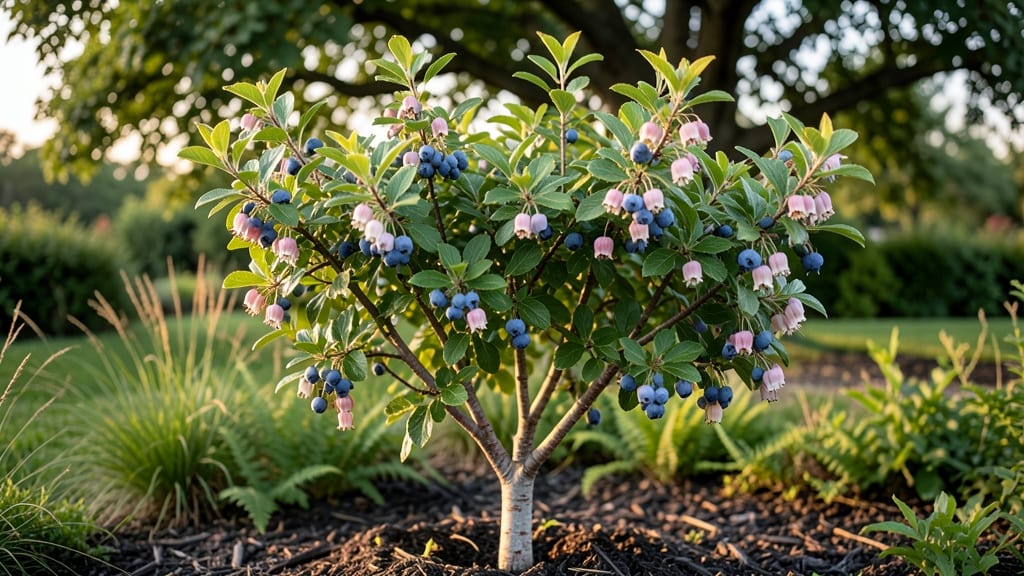
A blueberry bush typically costs between $15 and $50 for standard varieties, while premium or rare cultivars can range from $50 to $150 or more. Your final price depends on factors like plant size, age, and whether it's bare-root or potted. Shopping at local nurseries, online plant sellers, or garden centers will impact what you pay.
Blueberry bush pricing reflects both the plant's quality and the seller's overhead costs. 🌿 Standard varieties like 'Duke' or 'Bluecrop' fall in the mid-range, while heirloom or disease-resistant types command higher prices.
I've noticed that potted plants often cost more upfront but may establish faster in your garden. For budget-conscious gardeners, late-season sales at nurseries can offer significant savings on mature bushes.
Where you buy matters too—local nurseries provide hands-on expertise and immediate planting, while online retailers often offer wider variety selections and bulk discounts. Always check reviews for shipping reliability, especially if ordering rare cultivars. The right purchase balances cost with long-term yield potential.
💡 In This Article
- Factors Affecting Blueberry Bush Pricing
- Best Places to Buy Blueberry Bushes for Quality and Value
Factors affecting blueberry bush pricing
Blueberry bush prices vary dramatically based on the plant's variety. Highbush varieties like 'Duke' or 'Bluecrop'—the most common types—typically cost $15-$30 for young plants, while lowbush varieties (like 'Jersey' or 'Pioneer') can reach $30-$50 due to their smaller stature and slower growth.
Rare or heirloom varieties, such as 'Patriot' (disease-resistant) or 'Chester' (northern-hardy), often exceed $50-$150 because they're bred for specific conditions or traits. 🌱
The plant's age and size directly impact cost too. A 1-year-old bare-root plant (just roots and stems) might cost $10-$25, while a 2-3-year-old potted plant—already established with foliage—can range from $25-$60.
Mature bushes (5+ years old) with established root systems and fruit-bearing potential can jump to $75-$200+, especially if they're ready to produce immediately. The rule of thumb? Younger plants are cheaper but require more care to establish.
Root type plays a huge role in pricing too. Bare-root plants (roots only, no soil) are the most affordable because they're easier to ship and store, but they need careful handling during transplanting.
Potted plants cost more ($20-$50 for standard sizes) because they're already in soil and easier to plant, but their roots may be root-bound if not properly maintained. Container-grown bushes also dry out faster in transit, which is why some sellers charge extra for rush shipping during hot months.
Regional availability and climate suitability affect prices too. Blueberries thrive in USDA zones 4-8, but varieties like 'Northblue' (zone 3-hardy) can cost 20-30% more because they're specialized for colder climates.
Shipping costs also add up—online retailers often mark up prices by $10-$30 to cover packaging and freight, especially for heavy potted plants. Local nurseries in blueberry-growing regions (like Maine, Michigan, or Oregon) may offer discounts on bulk purchases or seasonal sales.
Another hidden factor is the plant's health certification. Disease-free bushes (tested for fungal or bacterial issues) can cost 10-20% more than uncertified ones. Nurseries often guarantee their plants, which adds value.
For example, a 'Bluecrop' bush from a reputable grower with a 2-year replacement guarantee might cost $35, while an uncertified one from a big-box store could be $20—but with higher risk of poor performance. 💡
Finally, consider the seasonal pricing cycle. Spring (March-May) is peak season for bare-root sales, when prices drop as nurseries clear inventory. Summer and fall see higher prices for potted plants, as demand rises for immediate gardening projects.
If you're patient, waiting for end-of-season sales (October-November) can yield 30-50% discounts on mature bushes—just be prepared to store them properly over winter.