
How To
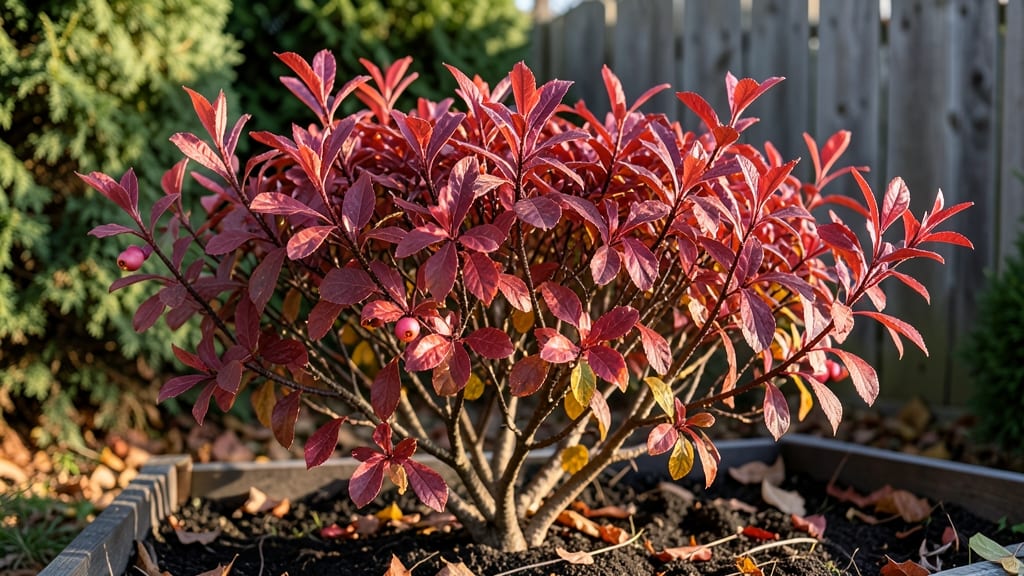
A burning bush how tall does a burning bush grow typically ranges between 6 and 15 feet at maturity, depending on the variety and growing conditions—some dwarf types stay as short as 3 feet, while standard shrubs can reach the height of a two-story window.
If you're planning your landscape layout, this range might surprise you—especially if you're eyeing a compact garden spot. A 15-foot specimen isn’t just a shrub; it’s a statement piece that can dominate a backyard or serve as a bold privacy screen.
But here’s the good news: with the right pruning and spacing, you can control its height. Whether you’re aiming for a hedge row or a single accent plant, understanding how fast it grows and what influences its size is the key to getting it just right.
Below, I’ll break down the height ranges by variety, growth rates, and the best ways to keep it in check—so you can plant with confidence and avoid overcrowded spaces later.


Mature height ranges of popular burning bush varieties explained
Choosing the right burning bush variety depends on your garden space and vision. Some varieties top out at just 3 feet, while others can reach 15 feet—making them perfect for privacy screens or bold landscape accents.
The key is understanding each type's growth potential before planting. I’ll break down the most popular Euonymus alatus varieties and their mature heights so you can plan with confidence.
Burning bushes are prized for their vibrant fall foliage and low-maintenance nature, but their size varies dramatically. Dwarf varieties fit cozy gardens, while standard types dominate larger landscapes. Even within the same species, growth habits can differ based on soil quality, sun exposure, and pruning practices.
Let’s explore the height ranges you can expect from the most common cultivars.
| Variety | Mature Height (ft) | Width (ft) | Best For |
|---|---|---|---|
| 'Compactus' | 3–5 ft | 3–4 ft | Small gardens, containers, hedges |
| 'Rudy Haag' | 5–8 ft | 5–7 ft | Medium hedges, foundation plantings |
| 'Wichita Blue' | 6–10 ft | 6–8 ft | Privacy screens, woodland edges |
| 'Emerald 'n' Gold' | 8–12 ft | 8–10 ft | Bold accents, large landscapes |
| 'Alatus Aureus' | 10–15 ft | 10–12 ft | Tall screens, woodland borders |
The 'Compactus' variety is my go-to for small spaces—it stays under 5 feet and fits perfectly in containers or as a low hedge.
If you’re aiming for a privacy screen, 'Wichita Blue' or 'Emerald 'n' Gold' are excellent choices, reaching 8–12 feet while maintaining a dense growth habit. For dramatic impact, 'Alatus Aureus' can tower over 15 feet, making it ideal for woodland gardens or large properties.
Regional differences can affect height—burning bushes in southern climates often grow taller due to longer growing seasons, while those in northern zones may stay slightly shorter. Always check your USDA hardiness zone for the most accurate expectations.
For example, in Zone 5, 'Rudy Haag' might max out at 6–7 feet, while in Zone 7, it could reach 8 feet or more.
One common misconception is that all burning bushes grow into large shrubs. In reality, many gardeners overlook the dwarf varieties, which are perfect for urban gardens or rooftop planters.
If space is limited, 'Compactus' or 'Little Spire' (another dwarf type) are game-changers. They deliver the same stunning fall color without the bulk.
When planning your landscape, consider the mature spread as much as height. A 10-foot-tall burning bush with a 12-foot spread will need ample room to avoid crowding other plants. For example, planting 'Alatus Aureus' too close to a patio or driveway can lead to overgrowth and maintenance headaches.
Always leave 3–5 feet of clearance around the base for airflow and pruning access.
If you’re unsure which variety to choose, start with 'Rudy Haag'—it’s a versatile middle-ground option that works in most garden sizes. For a low-maintenance hedge, 'Compactus' is unbeatable, while 'Emerald 'n' Gold' adds a golden variegation that brightens shady spots.
Each variety brings something unique to your landscape, so pick based on your space, light conditions, and design goals.
Pro tip: Always buy from a reputable nursery that specifies the variety’s mature size. Some online sellers may list burning bushes as "standard" without clarifying the exact cultivar, leading to surprises down the road. A quick call to confirm height expectations can save you from outgrown plants later.
For those with limited space, don’t overlook the columnar forms like 'Little Spire', which grows 6–8 feet tall but stays narrow—ideal for vertical gardens or tight corners.
Whether you’re designing a small courtyard or a large estate, there’s a burning bush variety that will fit your vision perfectly.
How fast does a burning bush grow to full height?
If you planted a burning bush (Euonymus alatus) last spring, you might be wondering how quickly it'll reach its stunning mature height. The answer depends on several factors, including variety selection, growing conditions, and your pruning habits.
Most burning bushes reach about 50% of their mature height within the first 3 years, but growth rates can vary significantly.
Under ideal conditions—like full sun exposure, well-draining soil, and regular watering—you can expect your burning bush to grow 12-24 inches per year during its first 5 years. However, growth slows dramatically after year 5 as the shrub matures.
By year 10, most varieties stop growing significantly in height, focusing instead on foliage density and branch thickness.
- 1 Year 1: 1-2 ft tall, focuses on root establishment
- 2 Year 2-3: 3-6 ft, rapid vertical growth phase
- 3 Year 4-5: 6-10 ft, slows as canopy develops
- 4 Year 6+: Mature height reached (8-15 ft), minimal upward growth
- 5 Seasonal Tip: Spring pruning boosts summer growth by 20-30%
Seasonal growth patterns play a crucial role in how quickly your burning bush reaches full height. These shrubs experience most of their growth during late spring and early summer when temperatures are moderate and moisture is consistent.
In hot climates, growth may slow during peak summer months, while cooler regions might see a second growth spurt in early fall.
Soil quality and nutrient availability can accelerate growth by up to 40% in ideal conditions. Amending clay soil with compost or sand improves drainage, while adding a balanced fertilizer (10-10-10) in early spring can encourage faster height development.
However, avoid over-fertilizing, as this can lead to weak, leggy growth instead of compact, sturdy stems.
Pruning habits significantly impact height development. Regular pruning every 2-3 years keeps burning bushes 30-50% shorter than their natural mature height. If you're aiming for a privacy screen, prune annually in late winter to encourage bushier growth.
For standard-sized shrubs, minimal pruning is needed after year 5, as the plant naturally slows vertical growth.
Remember, dwarf varieties like 'Compactus' reach only 3-5 feet tall, while standard types like 'Alatus' can exceed 12 feet. Always check your specific variety's growth expectations when planning your garden layout.
With proper care, your burning bush will reward you with vibrant fall color and year-round interest—no matter how fast it grows! 🌳