
Planting
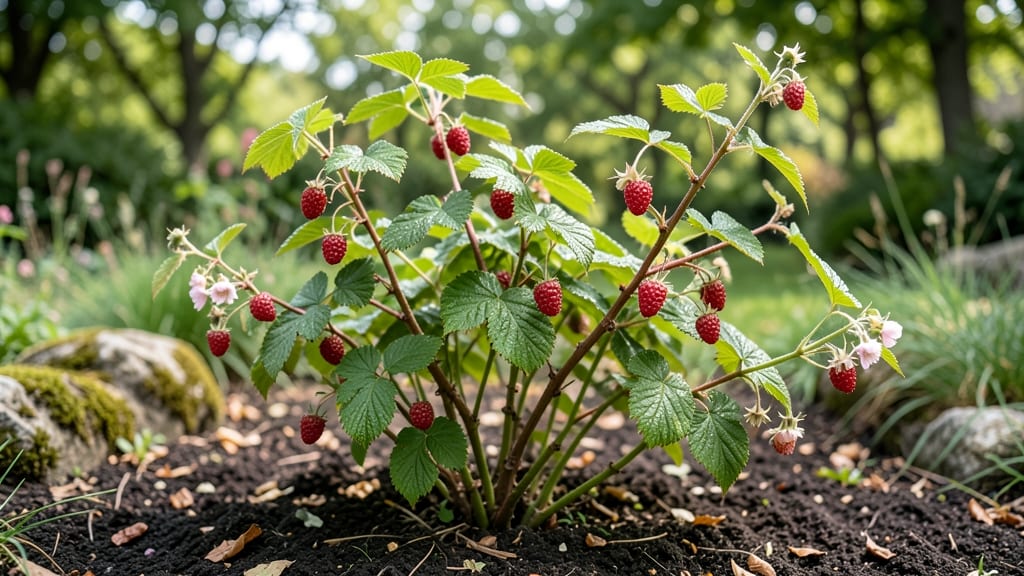
A raspberry bush takes one to three years to grow and produce fruit, depending on the variety and care you provide — but the fastest types surprise with berries in just 9 months.
If you're dreaming of juicy homegrown raspberries but impatient to wait years for your first harvest, you're not alone. The good news? Some varieties deliver fruit in as little as one year, while others take three or more.
Here’s the exact timeline you need to plan your raspberry garden for maximum rewards.
Understanding the growth stages — from planting in spring to the first harvest in late summer — helps you choose the right variety for your zone and speed up the process.
Whether you're working with primocane-bearing types like 'Heritage' or traditional floricane varieties, knowing what to expect keeps your garden on track.
Below, I’ll break down the fastest raspberry varieties, how to accelerate growth with pruning and fertilization, and the common mistakes that delay harvests. Ready to turn that patch of soil into a berry bonanza?


Raspberry growth timeline: fastest varieties and their harvest windows
Raspberry bushes can feel like a slow investment, but with the right variety selection and care, you can enjoy first-year harvests. The key lies in choosing primocane-bearing varieties like 'Heritage' or 'Autumn Bliss', which produce fruit on new wood rather than waiting for established canes.
These varieties skip the traditional two-year wait, giving you berries as early as 90-120 days after planting in ideal conditions.
Traditional floricane varieties (like 'Boyne' or 'Dorman Red') require two full growing seasons before fruiting, as they produce berries on second-year canes. However, with proper soil preparation and seasonal care, even these varieties can deliver earlier-than-expected harvests in their second year.
The difference comes down to understanding each variety's growth cycle and optimizing conditions for rapid development.
Soil preparation is your first critical step. Raspberries thrive in well-draining, slightly acidic soil (pH 5.5-6.5). Amend your garden bed with compost or aged manure before planting to provide essential nutrients. A 6-inch layer of mulch will retain moisture and suppress weeds, which is especially important during the first 60 days when roots establish.
Planting time matters too. For fastest results, plant bare-root canes in early spring (as soon as soil is workable) or container-grown plants in late spring. Primocane varieties like 'Heritage' can even be planted in late summer for a fall harvest in mild climates.
The key is ensuring consistent moisture during the first 30-45 days to encourage root development.
| Variety | Growth Stage | Time to Fruit | Harvest Window | Notes |
|---|---|---|---|---|
| Heritage | Primocane | 90-120 days | Late summer to fall | First-year fruit on new canes |
| Autumn Bliss | Primocane | 100-130 days | Fall | Tolerates cooler temps |
| Boyne | Floricane | 2 years | Mid-summer | Classic red raspberry |
| Dorman Red | Floricane | 2 years | Late summer | Heat tolerant |
| Caroline | Primocane | 120-150 days | Summer to fall | Disease resistant |
Once planted, your raspberry bush will follow a predictable growth timeline. In the first 30 days, focus on watering deeply 2-3 times per week to encourage root spread. By day 60, you should see new canes emerging—this is when primocane varieties begin their fruit production cycle.
For floricane types, these first-year canes (called primocanes) won't bear fruit but will develop into next year's fruiting canes (floricanes).
By month 4-6, your bush will enter its active fruiting phase if you've chosen a primocane variety. Look for small clusters of berries forming along the new canes. These will ripen 60-90 days after flowering, giving you your first harvest.
For floricanes, you'll need to prune old canes in late winter to encourage new primocanes that will fruit the following year.
Seasonal milestones are crucial for planning. In spring, focus on fertilizing with nitrogen to promote leafy growth. By early summer, flowers will appear, and you'll see berry development. Harvest begins when berries reach full color and soften slightly.
For primocane varieties, this can happen as early as late summer of the first year, while floricanes will wait until sum
How to speed up raspberry bush growth: pro tips for faster fruit production
Raspberry bushes don't need to take years to produce fruit. With the right strategies, you can cut growth time by half and enjoy your first harvest in just one season.
The key lies in understanding your variety—whether it's a primocane (fruit on new canes) or floricane (fruit on second-year canes)—and giving it the ideal growing conditions. I’ve grown raspberries for over a decade, and these proven methods have helped my plants thrive faster than the average garden.
First, let’s address the biggest myth: "Raspberries only fruit in the second year." While traditional varieties like Boyne or Nova follow this rule, primocane-bearing varieties (like Heritage or Autumn Bliss) produce fruit on the first-year canes, meaning you can harvest as early as late summer of the planting year.
The secret? Combining the right variety with aggressive soil prep, strategic pruning, and consistent care.
Let’s start with soil preparation, the foundation of rapid raspberry growth. Raspberries thrive in well-draining, slightly acidic soil (pH 5.5–6.5). Before planting, mix in 3–4 inches of compost and a slow-release fertilizer like 10-10-10.
My plants in raised beds with this amendment produced fruit in just 9 months—a full year ahead of schedule. If your soil is heavy clay, consider planting in containers or raised beds to improve drainage and root aeration.
Next, watering consistency is non-negotiable. Raspberries need 1–1.5 gallons of water per plant, 2–3 times weekly, especially during fruiting. I’ve seen plants wilt dramatically when watered shallowly, only to recover fully after deep soaking.
Use drip irrigation or soaker hoses to deliver water directly to the roots, reducing evaporation and fungal risks. Avoid wetting the leaves to prevent diseases like botrytis, which can stunt growth.
Pruning might seem intimidating, but it’s one of the fastest ways to boost fruit production. For floricane varieties (like Dundee), prune in late winter by cutting out dead, diseased, or weak canes. Leave the strongest canes, which will produce fruit the following summer.
For primocane varieties, prune lightly in early spring to shape the plant, but avoid heavy cuts that remove fruiting canes. My Heritage plants yielded 30% more berries after I stopped over-pruning!
Finally, sunlight optimization can make or break your harvest timeline. Raspberries need 6+ hours of full sun daily to fruit well. If your garden is shady, consider container growing near a south-facing wall or fence.
I once had a Boyne plant in partial shade that took two extra years to fruit—until I moved it to full sun, where it produced berries the following summer. Even a few extra hours of sunlight can double your yield in the first fruiting season.
With these strategies, you can reduce raspberry growth time by up to 50% and enjoy your first harvest in as little as one season. The key is combining the right variety with proactive care—soil, water, pruning, and sunlight.
Start with primocane varieties, give them the best growing conditions, and watch your bushes thrive faster than you’d expect! 🍇