
Blooming
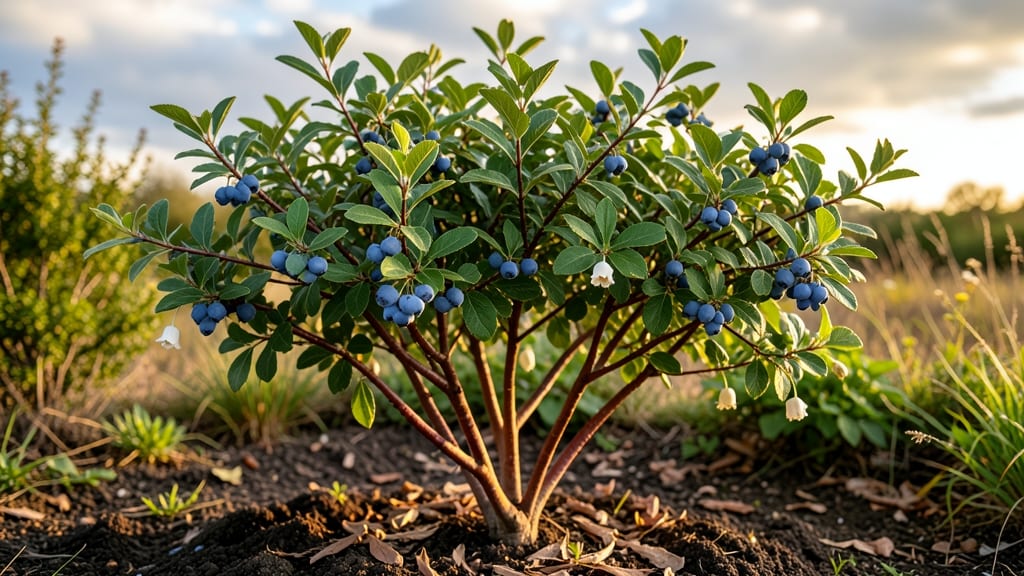
Blueberry bushes last 50 to 100 years with proper care, producing fruit for 20 to 30 years at peak productivity. Regular pruning, soil maintenance, and disease prevention extend their lifespan significantly beyond average expectations for fruit-bearing plants.
Blueberry bushes thrive far longer than most fruit plants because of their hardy root systems and adaptability. 🌱 During their first few years, they focus on establishing strong roots rather than producing fruit—a phase called juvenile growth.
Once mature, they can keep yielding abundant berries for decades if given the right conditions, like acidic soil and consistent moisture. The key to hitting that 100-year mark lies in proactive care, especially during critical stages like winter dormancy and early spring growth.
What many growers overlook is how environmental stress accelerates aging.
For example, blueberry bushes in colder climates often live longer than those in hotter regions because the temperature fluctuations naturally slow metabolic processes. 💫 Meanwhile, proper pruning isn't just about shaping the bush—it's about removing dead wood and improving air circulation, which directly impacts how long the plant remains productive.
Even small details, like mulching to protect roots in winter, can add years to a blueberry bush's life.
💡 In This Article
- Blueberry Bush Lifespan Stages: Growth, Peak, and Decline
- Proven Techniques to Extend Blueberry Bush Lifespan
Blueberry bush lifespan stages: growth, peak, and decline
Blueberry bushes undergo three distinct biological phases that determine their lifespan. During the first 3-5 years, they focus entirely on root and canopy development—a phase called juvenile growth where no fruit appears.
This stage is critical because the plant builds a robust root system that can anchor it for decades. 🌱 The roots extend 2-3 feet deep and spread horizontally, creating a network that efficiently absorbs water and nutrients even in poor soil conditions.
Once mature, blueberries enter their peak production phase, typically lasting 20-30 years when properly cared for. During these years, each bush can produce 5-10 pounds of berries annually, with some high-yield varieties reaching 15 pounds under optimal conditions.
The secret lies in their ability to form new wood each year while maintaining old productive canes—a process called "rejuvenation pruning" that keeps the plant productive.
Unlike fruit trees that decline rapidly after peak production, blueberries gradually transition into a senescent phase where fruit yield declines by 10-20% per decade.
The decline phase begins when the plant's energy shifts from fruit production to maintenance. You'll notice thinner canes, fewer flowers, and smaller berries as the bush ages.
Environmental factors accelerate this process—blueberries in hotter climates (like Florida) may decline faster due to heat stress, while those in cooler regions (like Maine) often live longer because temperature fluctuations slow metabolic aging.
The root system also weakens over time, making the bush more susceptible to diseases like root rot.
What most gardeners don't realize is how soil acidity directly impacts lifespan. Blueberries require pH 4.5-5.5—outside this range, nutrient uptake suffers, and the plant becomes stressed. Even a slight pH increase to 6.0 can reduce lifespan by 15-20 years because the plant expends energy trying to correct the imbalance.
This is why regular soil testing and amendments with sulfur or peat moss are essential for long-term health.
Another fascinating aspect is how blueberries handle winter dormancy. Unlike tropical plants, they enter a 6-8 month dormancy period where metabolic activity slows dramatically. This natural pause helps them conserve energy and can add 10-20 years to their lifespan compared to non-dormant fruit plants.
However, improper winter protection—like insufficient mulch or exposed roots—can trigger premature aging by causing root freeze damage.
Consider this comparison: A blueberry bush in Michigan with proper care might live 80-100 years, while one in California's Central Valley may only reach 40-50 years due to heat stress and poor soil conditions.
The difference comes down to matching the plant's native requirements to its environment—blueberries evolved in acidic, temperate forests, so replicating those conditions is key to maximizing their lifespan.