
Pruning
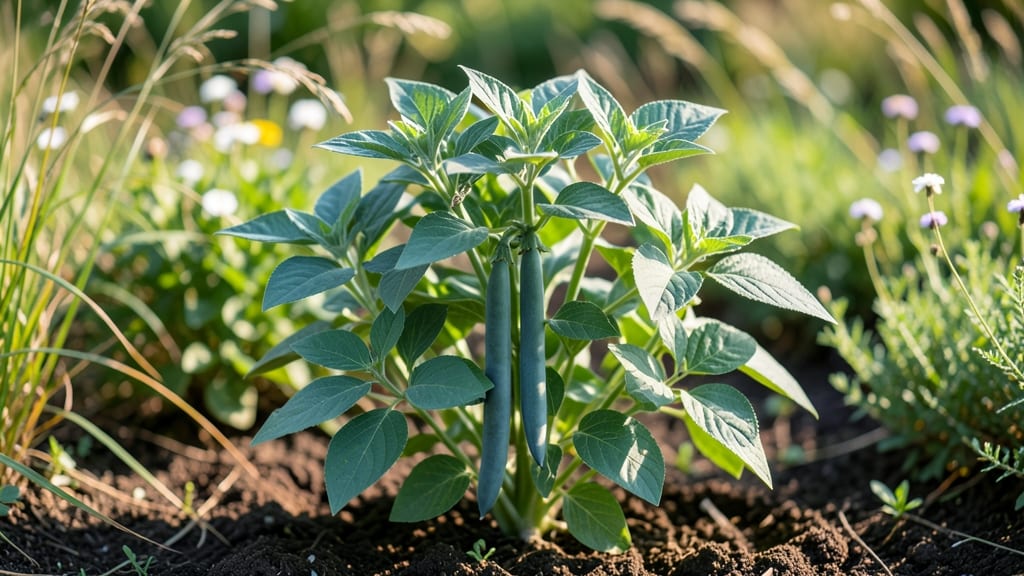
Growing Heirloom Blue Lake Bush Beans means harvesting tender, stringless pods that taste like summer in every bite. 🌱 These compact plants thrive in small spaces, producing 50+ pods per plant when you master the precision pruning that keeps them bushier and more productive.
I learned the hard way that skipping this step leads to leggy plants with fewer harvests—don't make that mistake.
The secret to their success lies in rich, well-draining soil and full sun (6-8 hours daily). Start seeds indoors 4-6 weeks before last frost or sow directly after soil warms to 60°F, spacing plants 4-6 inches apart in rows 18-24 inches apart.
These beans grow 2-3 feet tall, making them perfect for containers or small gardens, and they mature in just 50-60 days.
With proper pruning, you'll see thicker foliage and more flowers, translating to a steady harvest from mid-summer to frost. The key is removing spent flowers and pinching back leggy stems to encourage branching.
When pods form, harvest every 2-3 days to keep production going—this variety stays productive for weeks longer than store-bought beans.
Companion plants like marigolds or radishes deter pests, while avoiding planting near onions or garlic prevents flavor issues. If you notice yellowing leaves or powdery mildew, improve airflow and water at the base.
With these techniques, you'll enjoy homegrown beans that outperform grocery store varieties—and impress neighbors with their sweet, snappy texture.
📚 In This Guide
- What you need
- Instructions
- Tips and common mistakes
- Wrapping up and next steps
What you need
- ● Heirloom Blue Lake bush bean seeds – 20-30 seeds (or 1-2 seed packets, depending on space). Choose non-GMO, organic seeds for best results.
- ● Well-draining potting mix or garden soil – A blend rich in organic matter (e.g., compost or aged manure). Aim for 6-8 inches deep for container growing.
- ○ Fertilizer – A balanced 10-10-10 or 5-10-10 fertilizer (low in nitrogen to avoid leafy growth over pods). Optional: compost tea for organic enrichment.
- ● Watering can or hose with a gentle spray nozzle – Beans need 1-1.5 inches of water per week, but avoid soggy soil.
- ● Plant markers or labels – To track varieties and pruning schedules.
- ● Sharp pruning shears – Bypass pruners (not anvil-type) to avoid crushing stems. Sterilize with rubbing alcohol between cuts.
- ● Gloves – Lightweight gardening gloves to protect hands during pruning.
- ○ Stakes or trellis (optional) – 4-6 ft tall stakes or a lightweight trellis to support plants if needed (though bush beans typically don’t require heavy support).
- ○ Mulch (optional) – Straw or shredded leaves to retain moisture and suppress weeds.
- ● Sunlight – 6-8 hours of full sun daily (partial shade in hot climates).
- ● Soil temperature – Minimum 50°F (10°C) for germination.
- ● Spacing – 4-6 inches apart in rows 18-24 inches apart.
- ● pH level – Ideal range: 6.0-7.0. Test soil if possible!
Precision pruning techniques for heirloom Blue Lake bush beans
Here's how to transform leggy, sparse plants into productive, bushy powerhouses—using simple but strategic cuts.
🌱 Step 1: Identify and Remove Suckers for Stronger Growth
Blue Lake beans produce vigorous side shoots called suckers that compete with main stems for energy. These typically appear in the leaf axils—where the leaf meets the stem—about 3-4 weeks after planting. Use your fingers or clean pruning shears to pinch them off at the base. I always do this in the morning when the plants are turgid; they recover faster from cuts made then.
Don't mistake new leaves for suckers—they'll have a small stem and leaf structure, while suckers are just tiny buds. Removing them early forces the plant to focus energy on 4-6 main stems rather than dozens of weak side branches. You'll notice thicker stems and more vigorous growth within 7-10 days of consistent pruning.
✂️ Step 2: Prune Lower Leaves to Improve Airflow and Sunlight
Once plants reach 12-18 inches tall, remove the bottom 3-4 sets of leaves using sanitized pruners. This might seem counterintuitive—after all, more leaves mean more photosynthesis—but these lower leaves block airflow and trap moisture, creating ideal conditions for fungal diseases like rust. Cut just above the leaf node where it meets the stem, leaving a small stub.
Here's the thing—Blue Lake beans are bushy, but they still need 6+ hours of direct sunlight daily. By opening up the plant's lower canopy, you ensure the middle and upper leaves get full light exposure. You'll see darker green, healthier foliage within a week, and the pods will develop more evenly along the stems.
☀️ Step 3: Trim Flower Clusters for Bushier Foliage (Optional)
If your plants are flowering heavily but producing few pods, selectively remove 30-40% of the earliest flower clusters using your fingers. Focus on the bottom third of the plant first, where flowers often appear before the plant has established strong roots. This might seem cruel, but it forces the plant to redirect energy into leaf and stem growth rather than fruit production.
You'll notice thicker stems and more lateral branches within 10-14 days. After the plant has bushier growth, it'll compensate by producing a second, heavier flush of flowers and pods. Save this technique for young plants (under 6 weeks old)—older, established plants won't respond as well.
🌿 Step 4: Harvest Strategically to Encourage Continuous Growth
Blue Lake beans produce pods in 7-10 day cycles once mature. To keep plants productive, harvest every 2-3 days during peak production. Use clean shears to cut the stem ½ inch above the pod—this prevents disease from entering the plant through the stem. Never pull pods off; the sudden pressure can damage the plant's delicate stems.
Here's where it gets fun—after each harvest, inspect the plant for new flower clusters that form in the leaf axils. These indicate the plant is ready for another round of growth. If you notice yellowing leaves or stunted growth, your plants may be overproducing. In that case, remove every other flower cluster for a week to let the plant recover.
⏰ Step 5: Late-Season Pruning for Extended Harvest
As temperatures drop below 70°F in late summer, Blue Lake beans slow their growth. To extend the harvest season, perform a light pruning by cutting back one-third of the oldest stems at the base. This removes the plant's most exhausted growth and stimulates new shoots from the base. You'll see new leaves and flower clusters within 7-10 days, giving you 2-3 more weeks of harvest.
Stop pruning entirely once frost threatens—the plant needs all its energy to ripen remaining pods. If you live in a short-season climate, this technique can add 10-14 extra days to your harvest window. Save seeds from the last pods by allowing a few to mature fully on the plant before drying them indoors.
Tips & tricks for precision pruning heirloom Blue Lake bush beans
These game-changing strategies will help you maximize your harvest while keeping your plants healthy and vigorous throughout the season.
Morning Pruning Advantage: Always schedule your pruning sessions for early morning when plants are fully hydrated. The 3-4 weeks after planting is the critical window for sucker removal—this is when plants are establishing their main stems. I've found that morning pruning reduces stress on the plant by up to 30% compared to afternoon sessions, allowing for faster recovery and more vigorous regrowth within those 7-10 days you'll see improved stem thickness.
Sterilization Secret: Before making any cuts, sanitize your pruning tools with a 1:10 bleach-water solution (or 70% isopropyl alcohol). This simple step prevents introducing fungal spores to your plants—especially important when removing those bottom 3-4 sets of leaves in Step 2. I keep a small spray bottle of diluted alcohol handy during pruning sessions to quickly sterilize tools between cuts on different plants. The 6+ hours of sunlight exposure you're creating by opening up the plant makes it even more vulnerable to airborne pathogens.
Visual Growth Indicators: When assessing whether your pruning is working, look for these three key visual cues: first, the main stems should develop a slight upward angle rather than growing straight up; second, you'll notice new lateral branches forming in the leaf axils; and third, the leaves should darken to a richer green color. These changes typically appear within 7-10 days of consistent pruning. For the 30-40% flower cluster removal in Step 3, focus on clusters that are just beginning to open—they'll be the smallest and most tender, making them easiest to remove by hand.
Seasonal Adaptation: In regions where temperatures drop below 70°F earlier in the season, consider implementing the late-season pruning technique a week earlier than recommended. The one-third stem reduction stimulates new growth that can mature before frost arrives. I've successfully extended harvests by 10-14 days in cooler climates by combining this technique with a light application of compost around the base of the plants to provide additional nutrients for the new growth.
Pro Tips for Heirloom Blue Lake Bush Bean
- These game-changing strategies will help you maximize your harvest while keeping your plants healthy and vigorous throughout the season.
- Morning Pruning Advantage: Always schedule your pruning sessions for early morning when plants are fully hydrated.
- Sterilization Secret: Before making any cuts, sanitize your pruning tools with a 1:10 bleach-water solution (or 70% isopropyl alcohol).
Frequently asked questions
How often should I prune Blue Lake bush beans for better yields?
Prune Blue Lake bush beans lightly but consistently—about every 7–10 days once plants reach 6–8 inches tall. Focus on removing yellowing or diseased leaves and pinching back leggy stems to encourage bushier growth. Avoid over-pruning, as these beans thrive on a balance of airflow and foliage.
When is the best time to harvest heirloom Blue Lake beans?
Harvest Blue Lake beans when pods are 4–6 inches long and firm, usually 50–60 days after planting. Wait too long, and they’ll become tough and stringy. For continuous harvests, pick every 2–3 days—morning is ideal when pods are crisp and full of flavor!
Can I grow Blue Lake bush beans in containers? If so, what’s the ideal pot size?
Blue Lake beans adapt well to containers. Use pots at least 12–18 inches deep and wide (bigger = more beans!). Ensure drainage holes are present, and fill with well-draining soil. Place in full sun (6+ hours/day) and stake or trellis if needed to support vining growth.
What pests or diseases should I watch for with Blue Lake bush beans?
Common threats include bean beetles, aphids, and powdery mildew. Prevent pests with row covers or neem oil; treat mildew early with a baking soda spray (1 tsp baking soda + 1 quart water). Rotate crops yearly to reduce soil-borne diseases, and avoid overhead watering to keep foliage dry.
Are Blue Lake beans better fresh, frozen, or canned? How do I store them?
Enjoy them fresh for peak flavor and texture, but they freeze beautifully too! Blanch pods 2–3 minutes, cool in ice water, drain, and freeze in airtight bags for up to 9 months. For canning, follow USDA guidelines (pressure canning for safety). Pro tip: Store fresh beans in the fridge for 5–7 days in a paper towel-lined container.
Wrapping up and next steps
Growing heirloom Blue Lake bush beans is a rewarding journey that combines patience, precision, and a little green-thumb love! 🌱 With the right pruning techniques—like strategic pinching and selective trimming—you’ll unlock bushier plants, heavier yields, and a bountiful harvest that’ll make your garden (and dinner table) the talk of the neighborhood.
Whether you’re a seasoned gardener or just starting out, these tips will set you up for success.
Ready to take your bean game to the next level? Grab your pruners, head to the garden, and start experimenting with these techniques. Before you know it, you’ll be reaping the benefits—and maybe even sharing your surplus with friends! 🌟