
Size
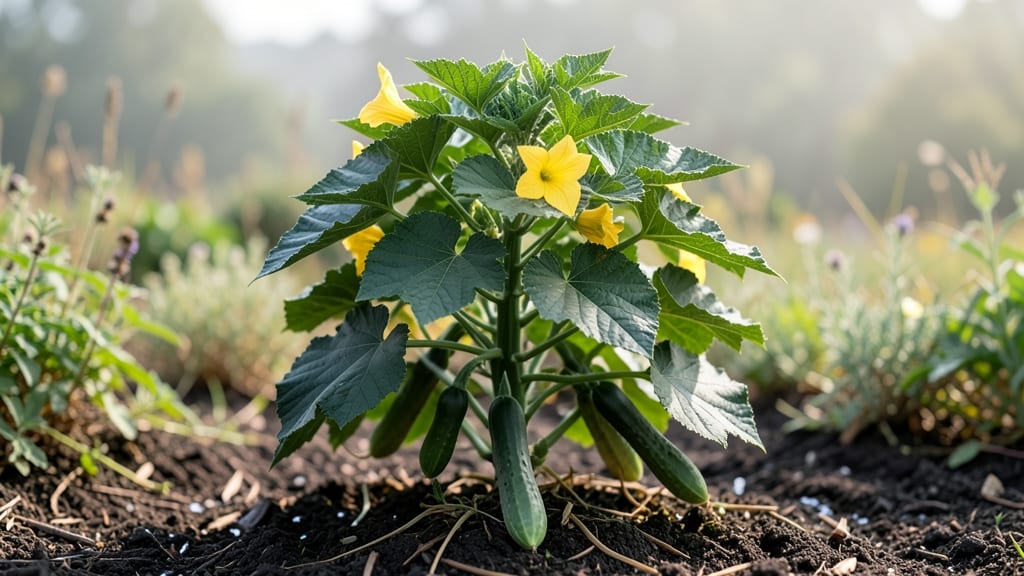
Grow bush cucumbers to transform tiny spaces into productive gardens without the sprawl of vines. 🌱 I learned the hard way that compact varieties like 'Bush Champion' or 'Spacemaster' produce just as many cucumbers as their vining cousins—but in a fraction of the room. The secret lies in their genetics: these plants stay under 3 feet tall and don't need trellises, making them perfect for balconies, containers, or crowded backyard plots. You'll need well-draining soil mixed with compost, consistent moisture (about 1 inch per week), and at least 6-8 hours of sunlight daily. Most beginners overwater, which leads to blossom-end rot or powdery mildew—so focus on deep watering at the base, not frequent light sprinkles. Plant seeds ½ inch deep, 2-3 inches apart, and watch for true leaves before thinning to give each plant enough space to breathe. By midsummer, you'll be harvesting crisp, 6-inch cucumbers every 4-5 days—no ladder required. The key is regular harvesting to encourage more production, and keeping leaves dry to prevent fungal issues. Even my black thumb can't kill these when given the right conditions. What makes bush cucumbers special is their versatility: grow them in 5-gallon containers, raised beds, or directly in the ground. They're also great for succession planting—sow new seeds every 2 weeks for a continuous harvest until frost. Here's how to set yours up for success!
📚 In This Guide
- What you need
- Instructions
- Tips and common mistakes
- Wrapping up and next steps
What you need
- ● Bush cucumber seeds: Choose compact varieties like 'Bush Champion' or 'Spacemaster' (1–2 oz packet covers ~100 sq ft).
- ● Container or raised bed: Minimum 12–18 inches deep and 12–24 inches wide (5-gallon buckets or larger work for single plants).
- ● Drainage holes (critical to prevent root rot!).
- ● High-quality potting mix: Lightweight, well-draining blend (avoid garden soil—it compacts!). Aim for 1–2 cubic feet per plant.
- ● Compost or organic fertilizer: Balanced (10-10-10) or veggie-specific (1 cup per plant at planting).
- ● Trellis or cage: For bush varieties, use a 3–4 ft tall stake or A-frame trellis (supports vines without sprawl).
- ○ Optional: Twine or plant ties to secure vines (1–2 rolls).
- ○ Watering can or hose with gentle nozzle: Drip irrigation (optional but ideal for consistency).
- ● Mulch (straw or shredded leaves): 2–3 inches thick to retain moisture and suppress weeds.
- ● Hand trowel or small shovel (for transplanting seedlings).
- ● Pruning shears (to trim yellow leaves or encourage airflow).
- ○ Gloves (optional but handy for handling prickly vines!).
- ○ pH test kit (optional: aim for 6.0–6.8; amend soil with lime or sulfur if needed).
- ○ Shade cloth (30–50%) (optional for hot climates to protect young plants).
- ○ Row cover or frost cloth (optional for early/late seasons).
Step-by-Step guide to growing bush cucumbers in small spaces
Here's how I transform tiny gardens into productive cucumber patches using compact varieties and smart spacing.
🌱 Step 1: Choose the Right Variety and Planting Time
Select a bush-type cucumber variety like 'Bush Champion' or 'Spacemaster'—these stay under 3 feet tall and eliminate sprawling vines. I always plant mine 2-3 weeks after your last frost date when soil reaches 60°F or warmer. Cold soil slows germination and invites rot.
Test soil temperature with a thermometer—if it's cooler, wait. You'll see faster, stronger growth when roots can absorb nutrients efficiently. For containers, use 5-gallon pots with drainage holes to prevent waterlogging, which bush cucumbers hate.
☀️ Step 2: Prepare Soil and Plant for Optimal Growth
Amend your planting area with 2 inches of compost mixed into the top 6 inches of soil. Bush cucumbers thrive in loose, fertile ground that drains well. I add a balanced 10-10-10 fertilizer at planting time to give them a nutrient boost without overfeeding.
Plant seeds ½ inch deep, spacing them 3-4 inches apart in rows 2 feet apart. For containers, sow 1-2 seeds per pot—thinning to the strongest seedling. Water gently after planting to settle soil around roots, but avoid soaking the seeds.
💧 Step 3: Maintain Consistent Moisture and Light
Keep soil evenly moist—never soggy, never dry. I water deeply every 2-3 days until the top inch feels dry. Bush cucumbers wilt quickly when thirsty, but overwatering leads to yellow leaves and weak stems. A drip irrigation system works best to deliver water at the base.
Ensure full sun (6-8 hours daily)—partial shade reduces fruit production. If your garden gets afternoon heat, provide afternoon shade to prevent sunscald on leaves. You'll notice healthier vines and more cucumbers when plants get consistent light.
✂️ Step 4: Prune and Support for Maximum Yield
Remove suckers (side shoots) that form in the leaf axils to direct energy into fruit production. I pinch off suckers when they're smaller than 3 inches—this prevents competition for nutrients. Bush cucumbers don’t need trellises, but a small cage or stakes helps support heavy vines.
Harvest cucumbers when they reach 6-8 inches long for peak flavor. I pick every 2-3 days to encourage more production. Leaving cucumbers on the vine too long makes them bitter and attracts pests. Use pruning shears to cut stems cleanly, leaving a ¼-inch stub to prevent disease entry.
🌿 Step 5: Monitor for Pests and Diseases
Watch for cucumber beetles and spider mites—they love bush cucumbers. I use row covers early in the season to block pests, then switch to neem oil spray if needed. Remove any yellowing or spotted leaves immediately to stop disease spread.
Rotate crops next year to prevent soil-borne diseases. Bush cucumbers are heavy feeders, so I top-dress with compost mid-season to replenish nutrients. You'll see stronger plants and better yields when you maintain soil health.
Tips & tricks for growing compact cucumber plants
These practical insights will help you maximize your small-space harvest without the usual vine sprawl.
Soil Temperature Secret: That 60°F minimum in Step 1 isn't just a number—it's the threshold where cucumber seeds actually activate their germination enzymes. I test soil temp with a cheap thermometer from the garden center. If it's below 60°F, wait another week rather than risking rot. For container growers, place pots in a sunny window overnight to warm the soil before planting.
Container Hack: When planting in 5-gallon pots, I add a handful of perlite to the bottom third of soil mix to improve drainage. This prevents the waterlogging that bush cucumbers absolutely hate. For extra insurance, I elevate pots on bricks or cinder blocks to keep roots from sitting in pooled water. The key is keeping roots aerated while maintaining that even moisture we talked about in Step 3.
Light Optimization: The 6-8 hours of full sun in Step 3 is non-negotiable, but here's what I do when space is tight: I rotate containers 180 degrees every few days so all sides get equal light exposure. For in-ground plants, I plant taller companion plants like beans on the north side to provide afternoon shade during peak summer heat—this prevents sunscald while still giving cucumbers their required sunlight.
Pruning Timing: Those suckers in Step 4 need to be removed consistently, but timing matters. I check for new growth every 3-4 days and pinch off any suckers smaller than 3 inches immediately. The goal is to redirect all energy to fruit production, not new foliage. I also remove any flowers that appear before the main vine has established 5-6 true leaves—this prevents early blooming that can lead to bitter fruit later.
Pro Tips for Grow Bush Cucumbers
- These practical insights will help you maximize your small-space harvest without the usual vine sprawl.
- Soil Temperature Secret: That 60°F minimum in Step 1 isn't just a number—it's the threshold where cucumber seeds actu...
- Container Hack: When planting in 5-gallon pots, I add a handful of perlite to the bottom third of soil mix to improve...
Frequently asked questions
Got questions about growing bush cucumbers?
You're not alone! Here are answers to the most common queries to help you grow these space-saving plants with confidence.
How long does it take for bush cucumbers to produce fruit?
Bush cucumbers typically start producing fruit 50–60 days after planting from seed (or 45–55 days from transplants). Early varieties may bear fruit even sooner—just keep an eye on those vines! For faster results, opt for fast-maturing varieties like 'Bush Champion' or 'Diva.'
Can bush cucumbers grow in containers or small spaces?
Bush cucumbers are perfect for containers—they thrive in pots as small as 5-gallon buckets or larger. Just ensure the container has drainage holes and use a balanced fertilizer every 2–3 weeks. Place them in a sunny spot (6+ hours of light) for best results.
What are the most common pests or diseases for bush cucumbers, and how do I prevent them?
Watch for cucumber beetles, aphids, and powdery mildew—they’re the usual culprits. Prevent them by:
- Using row covers early in the season.
- Planting marigolds or basil nearby to repel pests.
- Avoiding overhead watering to reduce mildew.
- Removing yellowing leaves promptly.
Do bush cucumbers need trellising, or can they grow without support?
While bush cucumbers are naturally compact (unlike vining types), a small trellis or cage (3–4 feet tall) can improve air circulation, reduce disease risk, and make harvesting easier. If you skip support, they’ll sprawl—but they’ll still produce! For tidiness, a 5-gallon fabric pot with a built-in trellis works great.
How do I know when bush cucumbers are ripe for picking?
Pick bush cucumbers when they’re firm, bright green, and 6–8 inches long (varies by variety). Overripe cucumbers turn yellow, bitter, and seedy—so harvest frequently to encourage more production! Pro tip: Use a sharp knife or pruners to avoid damaging the vine, and pick in the morning when they’re coolest.
Can I grow bush cucumbers alongside other vegetables?
Yes! Bush cucumbers are great companions for:
- Tomatoes (improves flavor).
- Peppers (shares nutrients).
- Radishes or lettuce (fast-growing under their shade).
Wrapping up and next steps
Growing bush cucumbers is a fantastic way to maximize your small garden’s potential—no sprawling vines or wasted space required! 🌱 With the right variety, soil, and support, you’ll enjoy a bountiful harvest of crisp, homegrown cucumbers in just a few months.
Whether you’re a beginner or a seasoned gardener, these compact plants prove that big yields don’t need big plots.
Now that you’re armed with tips and tricks, why not take the next step? Grab your gloves, mark your calendar for planting, and watch your tiny garden transform into a thriving cucumber oasis. Happy growing—your taste buds (and your neighbors!) will thank you! 🌟