
Pruning
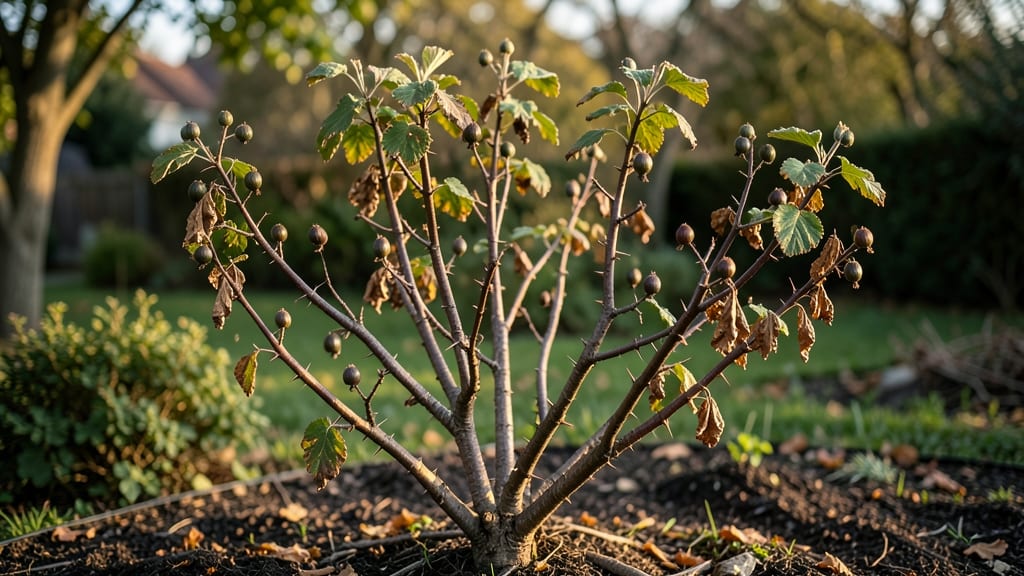
Your gooseberry bushes are already planning next year’s harvest—even when they look dormant. ✂️ Winter is the perfect time to prune, protect, and prep these hardy shrubs for explosive spring growth, and I’ve learned the exact cuts and tricks that make all the difference in my Zone 5 garden.
The key moves start with late winter pruning (after the worst cold passes but before buds swell) to remove dead wood and shape the bush for airflow. A thick layer of straw mulch (4–6 inches) insulates roots from frost heave while smothering weeds—just don’t pile it against the stems.
Rodents? They’ll gnaw on tender bark if hungry, so wrap young trunks with wire mesh or burlap.
By spring, you’ll see sturdy canes bursting with buds, ready to produce fruit earlier than neighbors who wait until summer. The pruned shape also lets sunlight hit every leaf, preventing fungal issues that plague crowded bushes.
Even in harsh winters, these plants bounce back—if you give them the right winter care.
Works for both thornless varieties (easier to harvest) and traditional types, and the same principles apply whether you’re in a cold northern climate or a milder zone with occasional frost. Let’s get those bushes prepped for their best season yet!
📚 In This Guide
- What you need
- Instructions
- Tips and common mistakes
- Wrapping up and next steps
What you need
- ● Pruning shears: Sharp, bypass-style shears (4-6" blades) for clean cuts—1 pair (sterilize with rubbing alcohol!).
- ● Loppers: Heavy-duty (8-10" blades) for thicker branches—1 pair.
- ● Gloves: Thick, cut-resistant gloves (gardening or pruning-specific)—1 pair.
- ○ Pruning saw: Curved-tooth saw for stubborn branches—1 (optional but handy).
- ● Disinfectant: 70% isopropyl alcohol or bleach solution (1 part bleach to 9 parts water) for tools.
- ○ Pruning sealant: (Optional) Wound dressing for large cuts—small jar.
- ● Garden twine or tags: For labeling branches if grafting/propagating—5-10 ft.
- ● Safety glasses: Protect your eyes from debris—1 pair.
- ● Work boots: Sturdy, ankle-supporting footwear.
- ● Trash bags: For debris removal—2-3 large bags.
- ● Notebook & pen: To jot down pruning notes (e.g., branch IDs, cuts made).
- ○ Extension pole: (Optional) For high branches—6-8 ft.
Step-by-step guide to pruning gooseberry bushes for spring revival
Winter's the perfect time to refresh your gooseberry bushes—just a few sharp cuts now mean bigger harvests later.
✂️ Step 1: Time Your Pruning for Best Results
Prune your gooseberry bushes in late winter to early spring, ideally 2-4 weeks before your last frost date. This timing lets the plant heal before new growth begins. You’ll know it’s the right moment when the ground is workable but no buds have broken yet. Cold weather also reduces stress on the plant, so it’s less likely to succumb to disease after pruning.
If you missed the window, wait until spring growth starts—just don’t delay past early April, or you’ll risk weakening the bush before it can recover. I’ve pruned in both late winter and early spring, but late winter always gives me the strongest regrowth. The key is to act before the sap starts flowing vigorously.
🌿 Step 2: Remove Dead, Diseased, or Weak Wood
Start by inspecting each branch for dead wood—it’ll be brittle, dark, and snap easily when bent. Cut these out first, making clean cuts at the base where the branch meets the main stem. Next, look for diseased or damaged branches—they might have blackened spots, mold, or odd growths. Remove these immediately to prevent the disease from spreading to healthy wood.
Weak or crossing branches also need to go. If two branches rub together, they’ll create wounds where pests or diseases can enter. Thin out the weaker of the two, cutting back to the main stem. I like to step back occasionally to visualize the bush’s shape—this helps me spot branches that are growing inward or blocking light from the center.
✂️ Step 3: Thin Out Old and Overcrowded Branches
Gooseberry bushes produce their best fruit on young, vigorous wood, so prioritize removing older branches. Look for wood that’s thicker than a pencil—these are typically 3-4 years old and past their prime. Cut these back to the ground or to a strong lateral branch. This opens up the center of the bush, improving airflow and sunlight penetration.
Thin out any branches that are growing too close together. Aim for a well-spaced framework with 6-8 main branches per bush. If your bush has more, select the strongest, most upright branches and prune the rest. I usually leave 2-3 strong canes per year of the bush’s age—this keeps the structure balanced and productive.
🌱 Step 4: Shape the Bush for Optimal Growth
Now it’s time to shape the bush into an open center with a pyramidal form. Start by cutting back any branches that are growing inward or downward. These won’t receive enough light and will produce poor-quality fruit. Aim for a vase-like shape, with branches spreading outward and upward. This shape also makes it easier to harvest and maintain the bush.
Shorten the remaining branches by one-third to one-half to encourage bushier growth. Make your cuts just above an outward-facing bud or lateral branch. Avoid leaving stubs—always cut at a 45-degree angle about ¼ inch above the bud. This encourages the new growth to emerge in the right direction and reduces the risk of disease entering the wound.
💧 Step 5: Clean Up and Protect for Spring
After pruning, rake up all the debris and dispose of it in the trash—not the compost pile—to prevent disease from overwintering. Sterilize your pruning tools with rubbing alcohol or a 10% bleach solution to kill any lingering pathogens. This is especially important for gooseberry bushes, which are prone to fungal diseases like powdery mildew.
Apply a 2-3 inch layer of mulch around the base of the bush to protect the roots from freezing temperatures and retain moisture. I use straw or shredded leaves because they break down slowly and improve soil structure over time. Water the base of the bush deeply before the first hard frost to ensure the roots stay hydrated through winter.
Tips & tricks for perfect gooseberry bush pruning
These simple tricks will help you transform your gooseberry bushes into productive powerhouses—without the guesswork.
Timing is Everything: The 2-4 weeks before last frost window is non-negotiable for best results. If you're unsure about your frost date, check your local agricultural extension service—they provide precise frost maps. I've learned the hard way that pruning too early can expose the bush to late frosts, while pruning too late risks stressing the plant before spring growth. The goal is to give your bush time to heal before new shoots appear.
The Right Tools Make All the Difference: Use sharp, clean pruning shears—dull blades crush stems rather than making clean cuts, which invites disease. I keep a small bottle of rubbing alcohol in my tool bag to wipe down shears between cuts, especially when dealing with diseased branches. For thicker branches over pencil-size, a pruning saw is your best friend. Never use hedge trimmers—they tear branches and create jagged wounds that take forever to heal.
Visualizing the Bush's Future: Step back every few minutes during pruning to visualize the bush's shape. You're aiming for that open center with upward-facing branches—this isn't just about looks, it's about airflow and sunlight penetration. I like to imagine sunlight streaming through the center like a fountain. If you're unsure about a cut, wait 10 minutes and look again from different angles. The right shape will become obvious once you see the bush as a whole rather than individual branches.
Cleanup Prevents Next Year's Problems: That pruning debris isn't just yard waste—it's a disease magnet. I've seen powdery mildew spread from last year's infected branches to this year's new growth. Always dispose of debris in the trash (not compost) and sterilize your tools with rubbing alcohol or a 10% bleach solution. This one step can save your entire harvest from fungal infections that start small but spread fast.
Pro Tips for Gooseberry Bush In Winter
- These simple tricks will help you transform your gooseberry bushes into productive powerhouses—without the guesswork.
- Timing is Everything: The 2-4 weeks before last frost window is non-negotiable for best results.
- The Right Tools Make All the Difference: Use sharp, clean pruning shears—dull blades crush stems rather than making clean cuts, which invites disease.
Frequently asked questions
Got questions about keeping your gooseberry bush thriving through winter?
Here are the most common concerns—and expert answers to help you prune like a pro for a bountiful spring.
When is the best time to prune a gooseberry bush in winter?
Prune your gooseberry bush after the first hard frost but before new growth starts—typically late winter (February or March) in most climates. This timing balances dormancy and early spring revival, reducing stress on the plant. Avoid pruning in extreme cold or deep freeze, as frozen wood can crack or invite disease.
Can I prune a gooseberry bush in late winter if it’s still snowing?
If snow is still on the ground, wait until it melts and the soil is workable. Pruning in snow or ice can compact the ground, harm roots, and make cleanup messy. A light dusting of snow? No problem—just clear the area around the bush first. Pro tip: Wear gloves and use sharp tools to avoid slipping on wet branches!
How much should I cut back a gooseberry bush in winter?
Remove about one-third of the oldest, thickest canes to encourage new growth. Cut back to the base or a healthy bud, and thin out crowded branches to improve airflow. For young bushes, focus on shaping rather than drastic cuts. Never remove more than 30% of the plant in one season—gooseberries are resilient but not invincible!
What if my gooseberry bush looks dead after winter pruning?
Don’t panic! Gooseberry bushes can look dormant but are often alive. Scratch the bark near a bud—if it’s green underneath, the plant is still viable. Water thoroughly after pruning, and apply a 2-3 inch layer of mulch to protect roots. If buds still don’t sprout by early spring, the bush may be dead, and you’ll need to replace it.
Are there alternatives to pruning gooseberry bushes in winter?
While winter pruning is ideal, you can lightly trim in late fall (after leaf drop) to remove diseased branches. However, avoid heavy pruning then, as it can stimulate new growth that won’t harden off before frost. Best practice: Stick to winter pruning for maximum health and productivity!
Wrapping up and next steps
Caring for your gooseberry bush in winter sets the stage for a bountiful spring harvest! Pruning dormant branches, protecting against frost, and feeding the soil ensures your bush thrives when warmer weather arrives.
With the right techniques, you’ll enjoy juicier berries and healthier growth—so grab those shears and get ready to nurture your garden’s future! 🌱
Ready to take action? Mark your calendar for late winter or early spring to prune—just before new growth begins. And if you’re new to gardening, watch a quick tutorial or join a local gardening group for hands-on tips. Your gooseberry bush will thank you!