
Vegetables
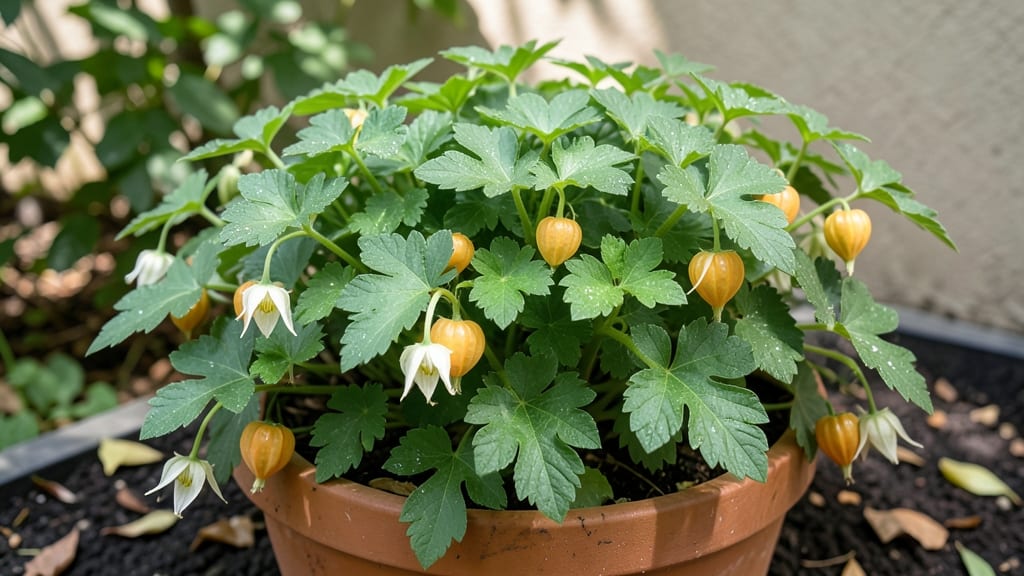
Growing a golden berry bush delivers sweet, tangy fruit straight from your yard—no pruning marathon required. 🌱 I’ve watched mine produce harvests from spring through fall with barely a trim, and the secret lies in understanding its natural rhythm rather than forcing it into rigid schedules.
The key is matching its needs to your climate, and once you do, you’ll enjoy a bush that rewards patience with pound after pound of fruit with minimal effort.
This plant thrives in well-draining soil and 6-8 hours of sunlight daily, making it perfect for sunny borders or containers on patios. Unlike fussy vegetables, golden berries tolerate a range of temperatures—from 50°F to 90°F—so they adapt easily to most gardens.
The real magic happens when you let it grow wild (within reason), because pruning too aggressively can reduce fruit production. A light trim in early spring keeps it tidy without sacrificing harvests.
By mid-summer, you’ll see those iconic papery lanterns forming around the fruit, and within 8-12 weeks of planting, your first harvest will be ready. The berries taste like a mix of pineapple and tomato, and they’re packed with vitamin C—nature’s candy that’s easy to grow.
The bush even handles drought surprisingly well once established, so watering becomes a low-effort task after the initial setup.
Whether you’re growing in pots, raised beds, or in-ground, this bush delivers year-round interest—from spring blooms to autumn’s last harvests. The only real challenge is resisting the urge to pick every berry at once (they’re that good). Let’s get yours thriving with minimal fuss and maximum flavor.
📚 In This Guide
- What you need
- Instructions
- Tips and common mistakes
- Wrapping up and next steps
What you need
- ● Golden berry seeds or young plants: Seeds: 5–10 (for multiple plants or backup)
- ● Young plants: 1–2 (for faster harvest)
- ● Well-draining potting mix: 1–2 bags (10–20 quarts each) of organic potting soil with perlite or vermiculite
- ○ Optional: Add compost (1 part compost to 3 parts soil) for extra nutrients
- ● Containers or garden bed: Containers: 5–10 gallon pots (1 per plant) with drainage holes
- ● Garden bed: Full sun (6+ hours/day) with loose, fertile soil (pH 5.5–6.5)
- ● Fertilizer: Balanced organic fertilizer (e.g., 5-5-5 or 10-10-10, 1 tbsp per plant)
- ○ Optional: Slow-release granules (e.g., Osmocote) for convenience
- ● Watering supplies: Watering can or hose with a gentle spray nozzle
- ○ Optional: Drip irrigation kit (for large gardens)
- ● Pruning tools (minimal but handy!): Clean, sharp pruning shears (sterilized with rubbing alcohol)
- ○ Optional: Gloves (to protect from thorns)
- ● Hardiness zones: 9–11 (year-round). In cooler zones (zones 3–8), grow as an annual or overwinter indoors.
- ● Temperature: Ideal daytime: 70–80°F (21–27°C). Tolerates light frost (but not freezing).
- ● Sunlight: Full sun (6+ hours/day). Partial shade (3–4 hours) works in hot climates.
- ● Space: Plants spread 2–3 feet wide. Space containers 12–18 inches apart.
- ● Mulch (straw or shredded leaves) to retain moisture and suppress weeds.
- ● Trellis or stakes (for bushier growth in containers).
- ● Pest control: Neem oil or insecticidal soap (for aphids/spider mites).
- ● pH test kit (to monitor soil acidity).
Step-by-Step instructions for planting and caring for golden berry bushes
Here's how to grow these vibrant, low-maintenance shrubs that reward you with fruit year-round.
🌱 Step 1: Choose the Perfect Planting Spot
Golden berry bushes thrive in full sun with at least 6-8 hours of direct light daily. I always pick a location where the plant will get morning sun and afternoon shade if temperatures exceed 85°F—this prevents fruit from scorching. The soil should drain well but retain moisture, so avoid low spots where water pools after rain.
Test your spot by digging a 12-inch deep hole. If water sits above 6 inches after 30 minutes, amend the soil with 2-3 inches of compost to improve drainage. I like to plant mine near a fence or trellis for support, since the vines can grow 10-15 feet if left unchecked.
🪴 Step 2: Plant Your Golden Berry Bush
Dig a hole twice as wide as the root ball but only as deep as the container. Gently remove the plant from its pot and loosen any circling roots with your fingers—this encourages outward growth instead of root-bound stress. Place the bush in the hole so the top of the root ball sits 1 inch below soil level.
Backfill with native soil mixed with 1 cup of balanced 10-10-10 fertilizer to give it a nutrient boost. Water deeply until the soil is moist 12 inches down. I mulch around the base with 2 inches of wood chips, keeping it 3 inches away from the stem to prevent rot. This helps retain moisture while keeping roots cool.
☀️ Step 3: Water and Fertilize for Year-Round Fruit
Golden berry bushes are drought-tolerant once established, but young plants need 1 inch of water weekly during the first growing season. Water at the base in the morning to reduce evaporation and fungal risks. You'll know it's enough when the top 2 inches of soil feel damp but not soggy.
Fertilize lightly in spring with ½ cup of 10-10-10 fertilizer and again in early summer. I skip fall feeding—too much nitrogen then delays dormancy. The berries themselves are edible, but the plant focuses energy on fruit production, not foliage growth, so resist the urge to over-fertilize.
✂️ Step 4: Prune for Shape and Productivity
Golden berry bushes need minimal pruning, but I trim back leggy growth in late winter to encourage bushier shape. Cut just above a leaf node at a 45-degree angle to promote healing. Remove any dead or crossing branches to improve air circulation—this prevents fungal diseases that can ruin fruit clusters.
Here's the thing—if you want more berries, prune less. The plant produces fruit on both old and new wood, so heavy pruning reduces next year's harvest. I only cut back 10-15% of the plant annually, focusing on shaping rather than aggressive thinning.
🌿 Step 5: Protect and Harvest Year-Round
Golden berries ripen in waves, so you'll get fruit from late summer through winter if you're in a warm climate. Harvest when the berries turn bright orange—this is when they're sweetest. Twist gently or use pruning shears to avoid damaging the stems. I store harvested berries in the fridge for 1-2 weeks or freeze them for longer storage.
In colder zones, the plant may drop leaves in winter but regrows quickly in spring. I wrap young plants in burlap if temperatures dip below 20°F to protect them. Mature bushes handle frost better, but a thick layer of mulch helps insulate roots during harsh winters.
Tips & tricks for perfect golden berry bush growth
These simple strategies will help you maximize fruit production with minimal effort—no green thumb required.
Sunlight Strategy: The 6-8 hours of sunlight in Step 1 is non-negotiable for fruit production, but here's the secret: if you're in a hot climate, partial afternoon shade when temperatures exceed 85°F actually protects the berries from sunburn. I've seen plants in full sun all day produce fewer berries because of this—watch for leaves curling as your early warning sign.
Planting Depth Secret: That 1-inch below soil level in Step 2 might seem minor, but it makes all the difference. Too high and roots dry out; too deep and the plant struggles. I use a small stake to mark the depth before planting—this visual guide prevents guessing. Also, if your soil is sandy, add a handful of compost to the planting hole to help retain moisture during the critical first few weeks.
Watering Wisdom: The 1 inch weekly for young plants in Step 3 is perfect, but timing matters more than quantity. Water in the morning so leaves dry quickly—this prevents fungal diseases that can ruin fruit clusters. I set a timer for 30 minutes after watering to check soil moisture: if the top 2 inches are damp but not soggy, you're golden. Overwatering is the #1 killer of young golden berry bushes.
Pruning Paradox: That 10-15% annual pruning in Step 4 might seem counterintuitive if you want more berries, but here's why it works: the plant produces fruit on both old and new wood. Heavy pruning removes potential fruit-bearing branches. I focus on removing only the leggiest growth—think of it as sculpting rather than thinning. And always cut at a 45-degree angle just above a leaf node to prevent disease entry points.
Pro Tips for Golden Berry Bush
- These simple strategies will help you maximize fruit production with minimal effort—no green thumb required.
- I've seen plants in full sun all day produce fewer berries because of this—watch for leaves curling as your early warning sign.
- Planting Depth Secret: That 1-inch below soil level in Step 2 might seem minor, but it makes all the difference.
Frequently asked questions
Got questions about growing and maintaining your golden berry bush? You’re not alone! Here are some of the most common queries—plus straightforward answers to help you thrive.
How long does it take for a golden berry bush to bear fruit?
A healthy golden berry bush (Physalis peruviana) typically starts producing fruit 6–8 months after planting from seeds, or within 2–3 months if you’re growing from a young plant. Patience pays off—once established, it can yield berries for years with minimal effort!
Can golden berry bushes survive winter in cold climates?
Golden berry bushes are tender perennials and won’t tolerate frost. In colder zones (below USDA Zone 9), grow them as annuals or bring potted plants indoors during winter. Mulch heavily in fall to protect roots, and replant in spring. With care, you can enjoy another harvest!
Are golden berry bushes easy to grow indoors?
Place your bush near a sunny window (6+ hours of light daily) or under grow lights. Use a well-draining pot (10+ inches deep) and fertilize lightly every 4–6 weeks. Just watch for pests like spider mites—spray with neem oil if needed. Indoor bushes may produce fewer berries but are perfect for small spaces!
What can I do if my golden berry bush isn’t fruiting?
Check these fixes:
- Light: Ensure it gets full sun (6+ hours/day)—partial shade reduces fruiting.
- Water: Keep soil consistently moist but not soggy (drought stress = fewer berries).
- Fertilizer: Use a balanced, low-nitrogen fertilizer (like 5-5-5) every 4–6 weeks.
- Pruning: Trim leggy growth to encourage bushier, more productive plants.
What’s the best way to harvest golden berries?
Pick berries when they’re fully ripe but still firm (usually golden-yellow with a slight blush). Gently twist or snip the fruit from the stem—avoid pulling to prevent damage. Harvest in the morning for the best flavor. Store in the fridge for up to 2 weeks or freeze for later use!
Wrapping up and next steps
Growing a golden berry bush is a rewarding adventure that brings vibrant color, sweet flavor, and year-round harvests with minimal fuss! Whether you're a seasoned gardener or just starting out, these hardy plants thrive with basic care—just a sunny spot, well-draining soil, and occasional pruning to keep them happy. 🌱
Ready to turn your garden—or even a cozy balcony—into a golden berry oasis?
Start by planting your bush today, and soon you’ll be savoring fresh, tangy treats straight from the vine. Next up: grab your pruners, mark your calendar for seasonal trims, and enjoy the sweet rewards of your low-maintenance harvest!