
Companion Plants
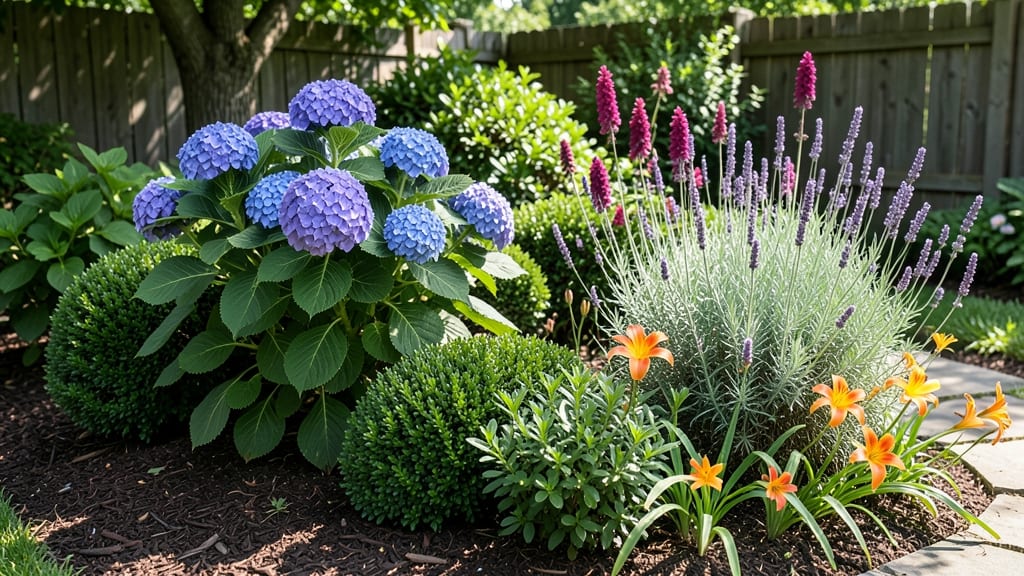
Companion planting turns your garden into a thriving ecosystem where plants and bushes support each other instead of competing. 🌿 I've seen struggling tomatoes explode in growth just by tucking them next to basil, or roses bloom longer when planted with garlic—it's like nature's version of teamwork.
The secret isn't complicated: certain plants repel pests, others improve soil, and some simply grow better together because they share resources. The magic happens in the soil and air. Marigolds deter nematodes while attracting pollinators, lavender keeps aphids away from roses, and beans fix nitrogen that potatoes love.
You don't need fancy setups—just observe what's already working in your yard. Even my first attempt with nasturtiums and cucumbers cut down on pests by half, and the cucumbers grew twice as fast.
What you'll end up with is a garden that needs less maintenance, fewer chemicals, and produces more food and flowers. The air smells fresher, the soil stays healthier, and you'll notice fewer wilting leaves or chewed foliage.
It's not just about aesthetics—it's about creating a self-sustaining system that works with nature, not against it. Start small with one or two pairings this season, and expand as you see what thrives together. The best part?
Every garden—whether it's a tiny balcony plot or a sprawling backyard—can benefit from these natural partnerships.
📚 In This Guide
- What you need
- Instructions
- Tips and common mistakes
- Wrapping up and next steps
What you need
- ● Companion Plant Seeds or Saplings: 3–5 varieties of herbs (e.g., basil, mint, dill, oregano)
- ● 2–3 flowering plants (e.g., marigolds, nasturtiums, or sunflowers)
- ● 1–2 vegetable plants (e.g., tomatoes, carrots, or lettuce)
- ● 1–2 shrubs or bushes (e.g., rosemary, lavender, or boxwood)
- ● Soil Amendments: 5–10 lbs of compost or well-aged manure
- ● 1–2 lbs of organic fertilizer (e.g., fish emulsion or bone meal)
- ● Gardening Tools: 1 hand trowel (for planting small seeds)
- ● 1 garden fork (for loosening soil)
- ● 1 pruners (for trimming bushes)
- ● 1 watering can or hose with a gentle spray nozzle
- ○ Protective Gear (Optional but Recommended): 1 pair of gardening gloves
- ● 1 wide-brimmed hat or sun visor
- ● A sunny or partially shaded garden bed (6’x6’ or larger for optimal companion planting)
- ● Well-draining soil (pH 6.0–7.0 is ideal for most plants)
- ● Access to water (drip irrigation or consistent hand-watering)
- ● Basic knowledge of plant spacing (check seed packets for guidelines)
How to pair garden plants and bushes for faster, healthier growth
Smart companion planting turns your garden into a thriving ecosystem—here's how to make it work.
🌱 Step 1: Group Plants by Sunlight Needs
Start by organizing your garden into sunlight zones—this prevents shade-loving plants from competing with sun-hungry varieties. Tall bushes like rosemary or lavender make perfect northern borders for sun-loving veggies, while shade-tolerant perennials like hostas or heuchera thrive under fruit trees or taller shrubs.
I always place tomatoes near basil on the south side of the garden—they both love full sun (6+ hours daily) and the basil deters pests naturally. Avoid pairing sun-lovers with shade plants; you'll see stunted growth when one outcompetes the other for light.
🌿 Step 2: Pair Plants with Complementary Root Systems
Deep-rooted bushes like asparagus or rhubarb shouldn’t share space with shallow-rooted herbs—chives or thyme will get crowded. Instead, plant shallow-rooted companions around them, like marigolds (which deter pests) or nasturtiums (which attract beneficial insects).
Here's the thing—legumes like clover or beans fix nitrogen in the soil, making them perfect neighbors for blueberries or raspberries, which thrive in acidic, nutrient-rich conditions. Watch for leafy green growth on your bushes after pairing them with legumes—that's your sign the soil is improving.
💧 Step 3: Match Water Requirements
Drought-tolerant bushes like rosemary or sage need minimal watering (once weekly), while hydrangeas or hostas require consistent moisture (1-2 inches per week). Grouping plants with similar water needs prevents over- or under-watering, which stresses roots.
I like to create "water zones" in my garden—one area for drought-lovers, another for moisture-lovers, and a third for moderate plants. Mulch each zone differently: gravel for drought plants, wood chips for moisture-lovers, and straw for moderate ones. This keeps maintenance simple and plants thriving.
✂️ Step 4: Use Pest-Repelling Companions
Strategic pairings reduce the need for pesticides. Plant garlic or chives near roses to deter aphids, or tuck marigolds around tomato plants to repel nematodes. Bushes like lavender naturally repel moths, making them ideal companions for fruit bushes or berries.
Watch for fewer pests when you pair correctly—you'll notice less wilting, healthier foliage, and more blooms on your bushes. If you see pests clustering on one plant, check its neighbors; they might need a pest-repelling buddy.
☀️ Step 5: Plan for Seasonal Growth Patterns
Some plants thrive in spring while others peak in summer or fall. Pair early spring bloomers like crocus with late summer bushes like hydrangeas to keep your garden in bloom year-round. Bushes like potatoes (yes, they're technically bushes!) pair well with beans—the beans fix nitrogen for the potatoes.
Real talk: fall-planted garlic near winter-hardy bushes like boxwood prevents soil erosion and deters pests. The garlic’s strong scent keeps rodents away, while the boxwood provides structure. You'll see fewer bare spots and healthier soil when you plan for seasonal overlaps.
Tips & tricks for smart garden plant pairings
These practical insights will help you create a garden ecosystem that thrives with minimal effort.
Sunlight Strategy: Pay attention to your garden's natural light patterns throughout the day. The south side typically gets the most sun, so that's where you should place your sun-loving plants like tomatoes, basil, and rosemary. I've seen firsthand how plants on the north side can become leggy and weak when they're competing for light with taller neighbors. Consider using a simple light meter or even just observing shadows at different times of day to map your zones accurately.
Root System Insight: The key to successful pairing is understanding root depths. Deep-rooted bushes like asparagus and rhubarb need plenty of space below ground, so avoid planting shallow-rooted herbs like chives or thyme directly beside them. Instead, create a "root zone" around these bushes where you can plant pest-repelling flowers like marigolds or nasturtiums. This way, you're not just preventing competition but also creating a natural pest control system.
Watering Wisdom: Your watering routine should match your plant pairings. For example, drought-tolerant plants like rosemary and sage can be grouped together and watered just once a week, while moisture-loving plants like hydrangeas need consistent watering. I've found that using different mulches for each zone makes maintenance much easier. The gravel around drought plants helps retain moisture while allowing excess to drain, while wood chips around moisture-lovers keep the soil cool and retain water better.
Seasonal Planning: Think about your garden's life cycle when making pairings. Early spring bloomers like crocus can be planted near late summer bushes like hydrangeas to create continuous color. I've noticed that pairing fall-planted garlic with winter-hardy bushes like boxwood creates a beautiful contrast while also deterring pests naturally. This seasonal approach ensures your garden stays vibrant and productive throughout the year.
Pro Tips for Garden Plants And Bushes
- These practical insights will help you create a garden ecosystem that thrives with minimal effort.
- Sunlight Strategy: Pay attention to your garden's natural light patterns throughout the day. The south side typically...
- Root System Insight: The key to successful pairing is understanding root depths. Deep-rooted bushes like asparagus an...
Frequently asked questions
Got questions about pairing garden plants and bushes for the best growth? Here are some common ones—and their answers!
What are the best companion plants for roses to deter pests naturally?
Plant garlic, chives, or marigolds near roses—they repel aphids and Japanese beetles! Lavender also works as a pest deterrent while adding fragrance. Avoid planting tomatoes or fennel, as they can stunt rose growth. Pro tip: Interplant with nasturtiums to lure pests away from your roses!
How long does it take to see benefits from companion planting?
Most benefits appear within 4–8 weeks, like improved soil health or pest reduction. However, long-term growth boosts (e.g., better flower production) may take a full growing season. Patience pays off—consistent pairings yield the best results! Pro tip: Monitor soil moisture and sunlight to speed up positive changes.
Can I use companion planting in small gardens or containers?
Pair basil with tomatoes in pots or thyme with cabbage in raised beds. Dwarf varieties (like bush beans) work well in containers. Just ensure each plant gets enough root space and sunlight. Bonus: Herbs like mint or oregano thrive in small spaces and deter pests!
What should I do if pests still attack my companion-planted garden?
First, check for overcrowding or water stress—pests thrive in weak plants. Introduce beneficial insects (like ladybugs) or neem oil spray for organic control. If issues persist, rotate crops annually to break pest cycles. Pro tip: Plant traps (e.g., sacrificial basil for whiteflies) to protect your main crops!
Are there any companion plants that hurt each other?
Yes! Avoid pairing:
- Beets and onions (stunt each other’s growth)
- Corn and potatoes (increase disease risk)
- Fennel and dill (compete aggressively for nutrients)
Wrapping up and next steps
Transforming your garden into a thriving ecosystem is easier—and more rewarding—than you think! By strategically pairing garden plants and bushes, you can naturally deter pests, improve soil health, and even enhance flavors.
Whether you’re a seasoned gardener or just starting, these companion pairings make maintenance a breeze while boosting your harvest.
Ready to greenify your space? Start small—pick one or two plant pairs from this guide, observe their magic, and expand as you gain confidence. Happy planting! 🌱✨