
Shrubs
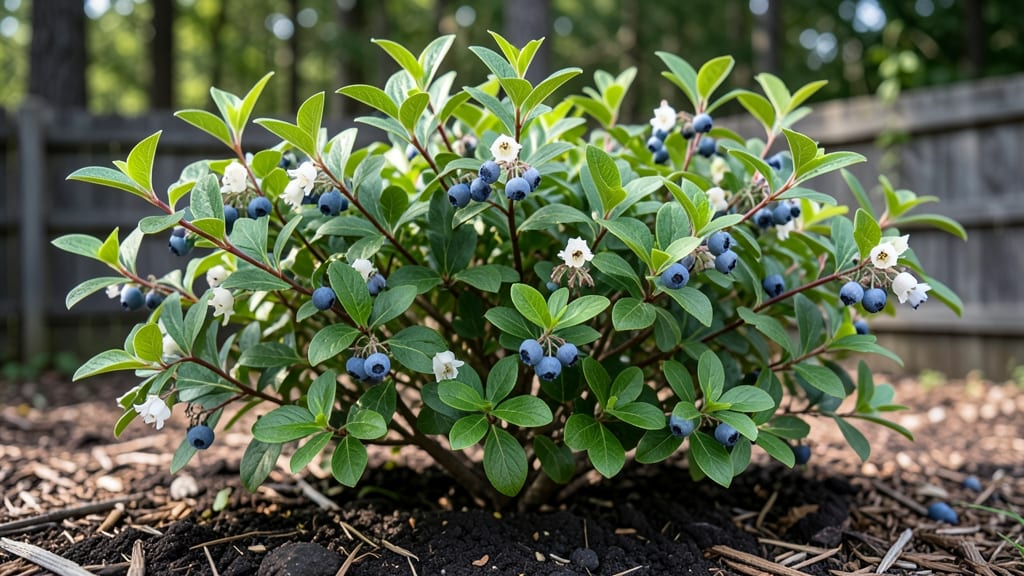
Fruit-bearing bushes deliver year-round harvests with less work than you'd expect—think blueberries in summer, raspberries through fall, and even winter currants if you pick the right varieties. 🌿 I've grown them for years, and the secret isn't fancy tools or perfect conditions, but choosing the right plants for your climate and giving them consistent care.
The best part? These bushes thrive in small spaces, need less water than vegetables, and produce for 5-10 years with proper pruning. Blueberries love acidic soil, raspberries handle partial shade, and currants tolerate cooler climates—each has its own sweet spot.
Once established, they're nearly maintenance-free, with harvests that outlast most garden seasons. You'll end up with berries so fresh they taste better than store-bought, plus the satisfaction of picking them straight from the bush.
The first year takes patience, but by year two, you'll have more fruit than you know what to do with. I still remember the first time I picked enough raspberries to make jam—game-changer. Works for urban backyards, rural homesteads, or even large containers.
Here's how to get started without the overwhelm."
📚 In This Guide
- What you need
- Instructions
- Tips and common mistakes
- Wrapping up and next steps
What you need
- ● Fruit-bearing bush plants: Choose 1–3 varieties (e.g., blueberries, raspberries, blackberries, or currants). Opt for dwarf or semi-dwarf varieties if space is limited.
- ● High-quality potting soil or garden soil: 5–10 gallons, depending on container size. Use well-draining, acidic soil (pH 4.5–6.0) for blueberries or loamy soil for other berries.
- ● Containers or garden bed: For containers: 5–15 gallon pots (1 plant per container for berries; 2–3 for vining types like raspberries). Ensure pots have drainage holes.
- ● For in-ground planting: A sunny spot (6+ hours of light daily) with at least 3’x3’ of space per bush (expand for vining types).
- ● Organic compost or fertilizer: 1–2 cups of balanced fertilizer (10-10-10) or acid-loving plant food (for blueberries). Slow-release options (like Osmocote) are ideal.
- ● Mulch: 2–3 inches of pine bark, straw, or wood chips to retain moisture and regulate soil temperature.
- ● Basic gardening tools: Trowel or hand shovel
- ● Pruners (sterilized)
- ○ Gloves (optional but recommended)
- ● Watering can or hose with a gentle spray nozzle: Bushes need 1–1.5 inches of water weekly (more in containers).
- ● Soil pH test kit: Ensures your soil matches your plant’s needs (e.g., blueberries thrive in acidic soil).
- ● Drip irrigation system: Automates watering and saves time, especially for larger gardens.
- ● Trellis or stakes: Supports vining bushes like raspberries or blackberries for easier harvesting.
- ● Bird netting: Protects ripe fruit from hungry wildlife (trust us, squirrels and birds love your harvest!).
- ● Epsom salt or iron supplements: Boosts magnesium and iron for lush, productive growth (especially for blueberries).
Step-by-step guide to establishing fruit bearing bushes
Here's how to plant and care for hardy fruit bushes that reward you with seasonal bounty.
🌱 Step 1: Select and Prepare Planting Sites
Choose a location with 6-8 hours of sunlight daily and well-draining soil. Most fruit bushes—like blueberries, currants, or elderberries—thrive in slightly acidic soil (pH 4.5-6.5). I always test my soil first using a simple kit; amending with sulfur or peat moss can adjust pH if needed. Avoid low-lying areas where cold air settles, as frost pockets can damage tender new growth.
Dig planting holes twice as wide as the root ball but only as deep. Loosen the sides of the hole with a shovel to encourage root spread. If your soil is heavy clay, mix in 2-3 inches of compost into the bottom of the hole. This improves drainage and gives roots a nutrient boost right from the start. Water the hole thoroughly before planting to settle the soil.
🪴 Step 2: Plant and Stake for Stability
Remove the bush from its container and gently tease out any circling roots. Position the plant so the top of the root ball sits 1-2 inches below soil level—this prevents stem rot while encouraging root development. Backfill with native soil mixed with a handful of organic matter, pressing lightly as you go to eliminate air pockets.
Stake young bushes immediately using 2-3 foot tall stakes driven into the ground at a 45-degree angle. Tie the main stem loosely with soft plant ties (never wire, which can girdle the stem). This prevents wind rock and gives roots time to establish before winter. Water deeply after planting to encourage root expansion into the surrounding soil.
☀️ Step 3: Water and Mulch for Year-Round Health
Keep the soil consistently moist for the first 6-8 weeks—water when the top 2-3 inches feel dry. Avoid overhead watering after planting, as wet foliage invites fungal diseases. Instead, use soaker hoses or drip irrigation at the base. Once established, most fruit bushes tolerate drought but produce best with 1-2 inches of water weekly during dry spells.
Apply a 3-4 inch layer of organic mulch (wood chips or straw) around the base, keeping it 6 inches away from the stem to prevent rot. Mulch conserves moisture, regulates soil temperature, and suppresses weeds. Refresh the mulch annually in early spring, pairing it with a light application of balanced fertilizer (10-10-10) to support new growth.
✂️ Step 4: Prune Strategically for Fruit Production
Prune in late winter or early spring before buds swell, removing 1/3 of the oldest wood to encourage new, productive growth. Cut just outside the bud at a 45-degree angle using clean, sharp pruners. I always sterilize my tools with rubbing alcohol between cuts to prevent disease spread. Thin out crowded branches to improve airflow—this reduces humidity and fungal issues while directing energy to fruit production.
Watch for "water sprouts" (suckers growing from the base or along branches) and remove them immediately. These saplings divert energy from fruit production. After harvest, do a light cleanup prune to shape the bush and remove any diseased or crossing branches. This keeps the plant open and accessible for next year's fruit.
⏰ Step 5: Seasonal Care for Continuous Harvests
In early spring, apply a 2-3 inch layer of compost around the base and water deeply. This jumpstarts root growth and replenishes nutrients. Monitor for pests like aphids or spider mites—early intervention with neem oil or insecticidal soap prevents infestations. Most fruit bushes benefit from a second light feeding in midsummer (use a low-nitrogen fertilizer like 5-10-10) to support late-season fruit development.
As winter approaches, apply a thick layer of mulch (up to 6 inches) to insulate roots from freeze-thaw cycles. Water thoroughly before the ground freezes to ensure the plant enters dormancy hydrated. In colder climates, wrap young bushes with burlap for extra protection. With consistent care, these bushes will reward you with fruit for decades—minimal effort, maximum harvest.
Tips & tricks for perfect fruit bearing bushes
These practical insights will help you maximize your fruit bushes' potential while avoiding common pitfalls.
Sunlight Strategy: The 6-8 hours of sunlight requirement is non-negotiable for most fruit bushes, but quality matters just as much as quantity. Position your bushes where they receive morning sun and afternoon shade in hot climates—this prevents leaf scorch while still providing optimal photosynthesis. I've noticed blueberry bushes in particular benefit from this arrangement, producing deeper blue fruit with fewer sunburnt leaves. Consider installing temporary shade cloths during peak summer months if your area gets intense afternoon sun.
Root Development Hack: When planting, don't be afraid to go wider than the root ball—those 2-3 inches of compost mixed into the sides of the hole create a nutrient-rich zone that encourages roots to spread horizontally. This is especially important for heavy clay soils where roots need extra encouragement to establish. I've seen bushes planted in amended soil produce fruit in half the time compared to those in unamended native soil. The key is to loosen the sides thoroughly with a shovel or garden fork before backfilling.
Pruning Precision: That 1/3 of oldest wood you're removing during pruning might seem drastic, but it's the secret to productive bushes. Older wood produces less fruit and is more prone to disease. I've found that making cuts just outside the bud at a 45-degree angle creates a larger wound surface that heals faster. Sterilizing tools between cuts is crucial—don't skip this step, even if the bushes look healthy. I keep a small bottle of rubbing alcohol in my tool shed specifically for this purpose, and it's saved me from multiple fungal infections over the years.
Seasonal Watering: The 6-8 week initial watering period is critical, but don't assume established bushes don't need attention. I've learned the hard way that fruit bushes actually prefer deep, infrequent watering to shallow, frequent watering. Aim for that 1-2 inches weekly during dry spells, but deliver it all at once rather than little bits every day. This encourages deep root growth and makes the plants more drought-tolerant. A simple rain gauge helps track your watering accuracy—most of us underestimate how much we're actually giving the plants.
Pro Tips for Fruit Bearing Bushes
- These practical insights will help you maximize your fruit bushes' potential while avoiding common pitfalls.
- Sunlight Strategy: The 6-8 hours of sunlight requirement is non-negotiable for most fruit bushes, but quality matters just as much as quantity.
- Root Development Hack: When planting, don't be afraid to go wider than the root ball—those 2-3 inches of compost mixed into the sides of the hole create a nutrient-rich zone that encourages roots to spread horizontally.
Frequently asked questions
Got questions about fruit-bearing bushes?
You’re not alone! Here are some of the most common queries—plus quick, practical answers to help you grow like a pro.
What are the easiest fruit-bearing bushes for beginners?
Start with low-maintenance varieties like raspberries (bare-root or potted), blueberries (acid-loving types), or gooseberries. These thrive with minimal fuss, produce reliably, and forgive occasional neglect. Look for disease-resistant cultivars to cut down on hassle!
How long does it take for fruit-bearing bushes to produce fruit?
Most bushes take 1–3 years to bear fruit, depending on the type and growing conditions. Blueberries and currants often fruit within 1–2 years, while blackberries or boysenberries may take 2–3 years. Patience pays off—healthy soil and proper pruning speed up the process!
Can fruit-bearing bushes survive in cold climates?
Many varieties are hardy and winter-hardy, like winter-hardy raspberries (Zones 3–8) or cold-tolerant blueberries (Zones 4–7). For extra protection, mulch heavily in fall, choose dwarf or semi-dwarf types, and plant in sheltered spots. Check the USDA zone rating for your specific bush!
How do I revive a fruit-bearing bush that isn’t producing?
Start with pruning—remove dead or overcrowded canes to improve airflow. Check for pests (like spider mites) or diseases (e.g., fungal spots) and treat with neem oil or fungicide. Fertilize in early spring with compost or a balanced shrub fertilizer. If the bush is old, rejuvenation pruning (cutting back ⅓ of the oldest canes) can spark new growth!
Are there dwarf fruit-bearing bushes for small gardens or containers?
Yes! Opt for dwarf blueberries (like ‘Top Hat’), patio raspberries (e.g., ‘Heritage’), or miniature currants. These stay compact (3–5 ft tall), thrive in pots (with well-draining soil), and are perfect for balconies or tiny yards. Just ensure they get 6+ hours of sun and regular watering!
Why are my fruit-bearing bushes not fruiting but have lots of leaves?
This usually signals over-fertilization with nitrogen (promotes leaves, not fruit) or lack of sunlight. Switch to a low-nitrogen, high-phosphorus fertilizer (like 5-10-10) and ensure full sun. Prune aggressively to redirect energy to fruiting canes. If the issue persists, check for root-bound conditions (repot if container-grown).
Wrapping up and next steps
Growing fruit-bearing bushes is a rewarding way to enjoy fresh, homegrown produce with minimal effort—and the best part? They thrive year-round in the right conditions! 🌱 Whether you’re a seasoned gardener or just starting out, these hardy plants offer low-maintenance care, high yields, and delicious rewards.
Now that you’re equipped with the essential tips, materials, and answers to common questions, it’s time to roll up your sleeves and plant!
Start small with just one or two bushes—like a blueberry or raspberry patch—and watch your confidence (and harvest!) grow. Before you know it, you’ll be sharing jars of homemade jam or baskets of fresh berries with friends and family. Happy gardening! 🍓✨