
Shrubs
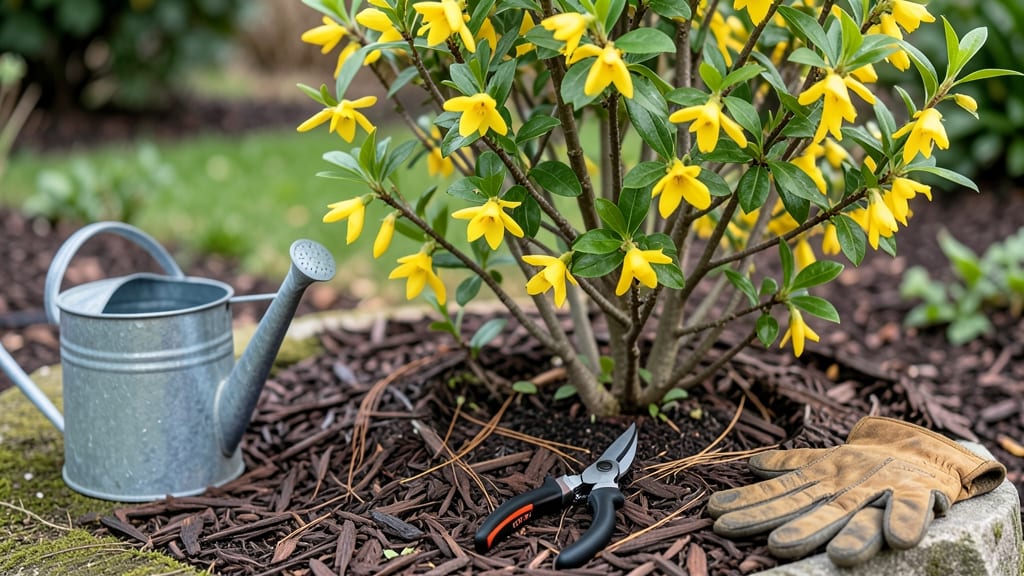
The forsythia bush care secret is simple: these golden bloomers explode into vibrant yellow flowers every spring with almost no effort—until their unchecked growth turns them into tangled messes. 🌸 I’ve pruned mine for years, and the key to keeping them lush without overworking is timing: cut right after flowering, never in fall or winter.
That single habit transforms wild, leggy bushes into neat, productive shrubs that bloom harder each year.
The magic happens with 3 simple steps: trim back old wood to encourage new growth, shape the bush to your space, and avoid heavy pruning—just light shaping keeps them happy. Forsythia thrives in full sun to partial shade and tolerates most soils, so even beginners can’t mess this up.
Water deeply once a week during dry spells, and you’re done—no fertilizing needed unless your soil is truly poor.
By next spring, you’ll have a bush so packed with blooms it looks like a golden waterfall, and the best part? It stays that way for years with minimal upkeep. The yellow flowers attract pollinators early in the season, and the bush handles cold snaps like a champ.
No winter protection is needed unless you’re in a brutal zone 3 or lower.
Here’s the kicker: one pruning session a year is all it takes. Skip the fall cleanup (that’s when forsythia sets next year’s buds), and you’ll avoid the most common mistake—over-pruning.
Even my black thumb keeps these bushes thriving with just a pair of shears and 20 minutes of work. Ready to make yours the showstopper of the neighborhood?
📚 In This Guide
- What you need
- Instructions
- Tips and common mistakes
- Wrapping up and next steps
What you need
- ● Forsythia plants: Choose healthy, disease-free Forsythia x intermedia or Forsythia ovata (2–3 plants per 10-foot space for full coverage).
- ● Garden gloves: A pair of durable, breathable gloves (e.g., Workrite or Fellowes) to protect your hands during pruning.
- ● Pruning shears: Sharp, bypass-pruners (e.g., Felco F-2) for clean cuts.
- ● Loppers: For thicker branches (1–2 inches in diameter), opt for Felco 202 or Corona loppers.
- ○ Hedge shears: Optional but helpful for shaping (e.g., Fiskars Ergo).
- ● Pruning saw: A curved-bladed saw for stubborn, woody stems.
- ● Garden hose or watering can: For post-planting hydration (1–2 gallons per plant initially).
- ● Mulch: 2–3 inches of wood chips or pine straw to retain moisture and suppress weeds.
- ● Compost or slow-release fertilizer: A balanced 10-10-10 or 5-10-5 formula (1–2 tbsp per plant in early spring).
- ○ Stakes & twine: Optional for young plants in windy areas (e.g., 18-inch bamboo stakes).
- ● Hand pruners: Compact shears for precision trimming (e.g., Gonicc).
- ● Disinfectant (rubbing alcohol or bleach solution): To clean tools between cuts and prevent disease.
- ● Soil test kit: To check pH (forsythia prefers 6.0–7.0; amend soil if needed).
- ● Drip irrigation system: For consistent moisture, especially in hot climates.
- ● Plant food spray: Foliar feed like fish emulsion for a nutrient boost (dilute as directed).
Step-by-Step instructions for year-round forsythia bush care
Here’s the simple routine I follow to keep my forsythia blooming reliably for decades.
🌱 Step 1: Plant in the Right Spot for Long-Term Success
Forsythia thrives in full sun to partial shade, with at least 6 hours of direct sunlight daily. I always plant mine where it gets morning sun and afternoon shade—this prevents leaf scorch while ensuring vibrant blooms. The soil should drain well but stay moist; amending heavy clay with compost makes a world of difference.
Dig a hole twice as wide as the root ball but no deeper. The top of the roots should sit just below soil level—burying too deep suffocates the plant, while planting too high stresses it. Water deeply right after planting to settle the soil and eliminate air pockets around the roots.
☀️ Step 2: Water Deeply and Consistently During Establishment
Newly planted forsythia needs 1-2 inches of water weekly for the first year. I check soil moisture by sticking my finger 2 inches deep—if it feels dry, that’s your watering cue. Overwatering is the real enemy here; soggy soil leads to root rot, and forsythia hates wet feet.
Once established (after year two), forsythia becomes drought-tolerant. You’ll know it’s settled in when new growth appears without wilting, even during dry spells. Mulch around the base with 2-3 inches of organic mulch to retain moisture and regulate soil temperature.
✂️ Step 3: Prune After Blooming for Next Year’s Flowers
This is the golden rule: Prune immediately after the forsythia finishes flowering. The blooms appear on last year’s wood, so cutting back too early removes next year’s flowers. I use clean, sharp pruners to trim back about ⅓ of the oldest stems to the ground, while leaving younger branches untouched.
Shape the bush lightly by removing crossing branches or those growing inward. Avoid heavy pruning—forsythia rebounds quickly but looks ragged if you cut too much at once. After pruning, give it a light watering to help it recover.
🌿 Step 4: Fertilize Lightly for Healthy Growth
Forsythia isn’t a heavy feeder, but a balanced 10-10-10 fertilizer in early spring gives it a gentle boost. I sprinkle a handful around the base and water it in—never apply fertilizer after mid-summer, as new growth won’t harden off before winter.
Watch for signs of over-fertilizing: dark green leaves that look soft or sticky mean you’ve gone overboard. If this happens, flush the soil with extra water to leach out excess nutrients. Healthy forsythia has glossy, medium-green leaves and sturdy stems.
⏰ Step 5: Protect in Winter for Next Year’s Blooms
Young forsythia (under 3 years old) benefits from wrapping the trunk with burlap in late fall to shield it from harsh winds. Mature bushes handle winter well, but a thick layer of mulch (up to 4 inches) insulates roots from freezing temperatures.
Prune out any dead or damaged branches in late winter before new growth starts. This keeps the bush tidy and prevents disease from spreading. Forsythia’s bright yellow blooms are a sure sign spring is here—and that you’ve done everything right!
Tips & tricks for perfect forsythia bush care
Keeping your forsythia thriving year-round takes just a few smart strategies—here’s how to avoid common pitfalls and get the most vibrant blooms.
Location is Everything: In Step 1, I can’t stress enough how critical the morning sun/afternoon shade placement is. If your yard gets intense afternoon heat, consider planting near a north-facing wall or under taller trees that provide dappled shade. The 6 hours of sunlight is non-negotiable for those bright yellow blooms, but protecting leaves from midday sun prevents scorching that dulls the color. I’ve seen forsythias in full sun all day lose 30% of their vibrancy compared to properly shaded plants.
Watering Wisdom: The 1-2 inches weekly guideline in Step 2 is perfect, but timing matters just as much. Water in the early morning so the foliage has all day to dry—wet leaves at night invite fungal diseases. I use a rain gauge to track rainfall and only water when we’ve had less than 1 inch in a week. For the first year, I set a reminder on my phone because forgetting leads to underwatering, which stresses new roots. After establishment, let the soil dry between waterings—fingering 2 inches deep is the best test.
Pruning Precision: When you’re ready for Step 3, mark the oldest stems with a ribbon before pruning—these are the ones to remove completely. I always prune on a dry, sunny day when the bush is fully leafed out, making it easier to see the structure. The ⅓ rule works perfectly, but if your bush looks particularly leggy, you can safely remove up to half the oldest stems. Just remember: new growth emerges from last year’s wood, so never prune back into old wood—you’ll sacrifice next year’s flowers.
Winter Protection: For Step 5, I’ve found that wrapping young trunks with burlap isn’t just about wind protection—it also prevents temperature fluctuations that can stress the cambium layer. In areas with harsh winters, add a layer of straw mulch over the root zone after the ground freezes, then remove it in early spring. This extra insulation helps prevent frost heave, where roots get pushed out of the soil during freeze-thaw cycles. A little winter prep now means fewer surprises come spring.
Pro Tips for Forsythia Bush Care
- Keeping your forsythia thriving year-round takes just a few smart strategies—here’s how to avoid common pitfalls and get the most vibrant blooms.
- Location is Everything: In Step 1, I can’t stress enough how critical the morning sun/afternoon shade placement is.
- Watering Wisdom: The 1-2 inches weekly guideline in Step 2 is perfect, but timing matters just as much.
Frequently asked questions
Got questions about keeping your forsythia bush happy? You’re not alone! Here are some of the most common concerns—and straightforward answers to help you grow a stunning, low-maintenance shrub.
When is the best time to prune a forsythia bush?
Prune forsythia right after flowering (late spring) to encourage fresh blooms next year. Avoid pruning in fall or winter, as it removes next year’s flower buds. For shaping, light trims in early summer are fine, but avoid heavy cuts.
How cold-hardy is forsythia, and does it need winter protection?
Most forsythia varieties thrive in USDA Zones 5-8 and handle winter well. Young plants or tender varieties (like Forsythia × intermedia) may benefit from a light mulch in harsh winters. No need for wraps or covers—just avoid heavy snow buildup on branches.
What pests or diseases should I watch for in forsythia bushes?
Forsythia is generally pest-resistant, but aphids or scale insects may appear. Treat with insecticidal soap if needed. Powdery mildew can occur in humid climates—improve airflow and avoid overhead watering. Prune infected branches promptly to prevent spread.
Can I grow forsythia in containers, or is it better planted in the ground?
While forsythia prefers in-ground planting for long-term health, it can thrive in large containers (15+ gallons) with well-draining soil. Use a fast-draining potting mix and repot every 2–3 years. Just know: container-grown forsythia may bloom less vigorously than ground-planted shrubs.
How do I revive a forsythia bush that’s not blooming?
Lack of blooms often signals over-pruning or nutrient deficiency. Check for:
If the issue persists, test soil pH—forsythia prefers slightly acidic to neutral (6.0–7.0).
Wrapping up and next steps
Caring for your forsythia bush is simpler than you think—just a little pruning, sunlight, and love go a long way! 🌸 With these easy steps, your shrub will burst into vibrant blooms year after year, adding cheerful color to your garden with minimal effort.
Now that you’re armed with the right knowledge, why not grab those pruners and give your forsythia the fresh start it deserves?
Ready to see your garden shine? Start by inspecting your bush this spring—you’ve got this! 🌿