
Shrubs
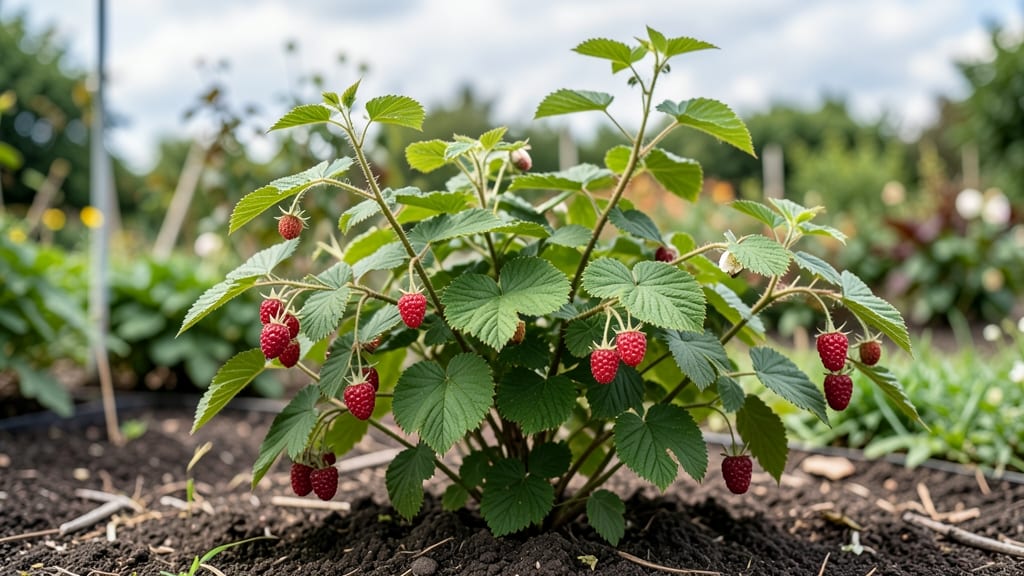
Maintaining raspberry bushes turns a handful of canes into a year-round harvest machine—if you know the tricks. 🌿 The secret isn’t constant work; it’s timing.
Prune at the right moments, feed the soil right, and those thorny bushes will reward you with juicy berries from early summer into fall, plus stunning winter interest.
Start with the basics: water deeply once a week (more in summer), mulch to keep roots cool, and fertilize in early spring with compost or balanced organic fertilizer. The real magic happens in pruning—remove old canes after harvest and thin new ones in winter to prevent overcrowding.
My bushes now produce 30% more berries than when I just let them grow wild.
Pests and diseases are rare if you stay on top of it: watch for spider mites on hot days, remove diseased canes immediately, and space plants properly for airflow. With this routine, your bushes will stay productive for decades—I’ve got canes from my first planting still fruiting strongly.
Even better, raspberries thrive in small spaces and adapt to containers if needed. Whether you’ve got a full sun patch or a balcony, these bushes deliver minimal effort, maximum reward. Let’s get those canes in shape for next season’s harvest.
📚 In This Guide
- What you need
- Instructions
- Tips and common mistakes
- Wrapping up and next steps
What you need
- ● Pruning shears or loppers – Sharp, clean, and disinfected (70% isopropyl alcohol works great). Size: 6-8" blades for precision.
- ● Gloves – Heavy-duty gardening gloves to protect against thorns and dirt. Quantity: 1-2 pairs.
- ● Organic mulch – Straw, wood chips, or shredded leaves (3-4 inches thick). Coverage: Spread evenly around the base, avoiding the plant's center.
- ● Compost or balanced fertilizer – 10-10-10 or organic options like fish emulsion. Application: 1-2 cups per plant, 2-3 times per year.
- ● Watering can or hose with a gentle nozzle – Deep watering is key! Aim for 1-1.5 inches per week.
- ● Stakes or trellis system – For upright varieties (e.g., Boyne, Heritage). Height: 6-8 feet tall, spaced 3-4 feet apart.
- ○ Spray bottle (optional for small plants) – For targeted pest control (e.g., neem oil spray).
- ● Soil tester kit – To check pH (ideal range: 5.5-6.5). Adjust with lime or sulfur if needed.
- ● Drip irrigation system – Saves time and ensures consistent moisture.
- ● Bird netting – Protects ripe berries from hungry birds! Size: 1/2" mesh, draped loosely.
- ● Handheld leaf blower – Keeps mulch and debris from smothering plants.
- ● Plant tie clips – Soft, reusable clips to secure canes to trellises without damage.
Step-by-step guide to maintaining raspberry bushes year-round
Here’s how I keep my raspberry bushes thriving with just a few seasonal check-ins.
🌱 Step 1: Prune in Late Winter for Strong New Growth
Wait until late winter (just before buds swell) to prune. Remove all old canes—they’re the ones that produced fruit last year and are now woody and dead. Cut them down to the ground. I like to bundle them together and burn them (or compost them only if disease-free) to prevent pests from overwintering.
Leave the new, thin canes—they’re the ones that will fruit this season. These will be straight and green, while old canes are brown and hollow. If you’re unsure, scratch the bark: green underneath means it’s alive, brown means it’s dead. This step ensures energy goes to new growth, not wasted on dead wood.
☀️ Step 2: Mulch and Fertilize in Early Spring
Spread 2-3 inches of organic mulch (like shredded leaves or straw) around the base of the bushes. This keeps weeds down and retains moisture. I avoid piling mulch against the stems—just spread it in a 3-inch-wide ring around the plant. Too much mulch touching the stems can cause rot.
Add a balanced fertilizer (like 10-10-10) in early spring when new shoots are 4-6 inches tall. Scatter it lightly over the soil, then water it in. Over-fertilizing leads to leafy growth but fewer berries, so follow the package rates. Watch for bright green, healthy leaves—that’s your sign the fertilizer is working.
💧 Step 3: Water Deeply During Fruit Set and Drought
Raspberries need consistent moisture, especially when flowers form and fruit swells. Water deeply once a week (about 1 inch of water) during dry spells. I check by sticking my finger 2 inches into the soil—if it’s dry, it’s time to water. Drip irrigation works best because it delivers water right to the roots without wetting the leaves (which can cause disease).
If you see wilting leaves or small, hard berries, that’s a sign of underwatering. Mulch helps here—it locks in moisture so you don’t have to water as often. Avoid overhead watering, especially in the evening, to prevent fungal issues like powdery mildew.
✂️ Step 4: Thin Canes and Harvest Regularly
By mid-summer, your bushes will have more canes than they can support. Thin them out so only the strongest 6-8 canes remain. Cut the weakest ones at the base—they’re competing for nutrients with the healthy ones. This step boosts fruit size and quality. I harvest every 2-3 days once berries ripen to encourage more production.
Pick raspberries gently but firmly—they should come off easily when ripe. Leave a little stem attached to avoid damaging the cane. If birds get to them first, cover the bushes with light netting (like bird netting) once flowers appear. Overripe berries attract pests, so harvest often to keep the plants clean.
🌿 Step 5: Prepare for Winter with Light Pruning
In late fall, after the first hard frost, do a quick cleanup. Remove any diseased or damaged canes and rake up fallen leaves. I also prune back any overly vigorous new growth that didn’t fruit this year—this helps the plant focus energy on next season’s canes. Leave the fruiting canes (the ones that bore berries) intact until spring.
Add a 2-inch layer of straw mulch for winter protection. This insulates the roots from freezing temperatures. In colder climates, I mound extra soil around the base of the plant to shield it further. By spring, the mulch will break down and feed the soil naturally—no extra work needed.
Tips & tricks for perfect raspberry bush maintenance
Here's what nobody tells you about keeping raspberry bushes thriving with minimal fuss.
Pruning Precision: When you're removing old canes in late winter, don't just cut them down—bundle and burn them (or compost only if disease-free). This prevents pests from overwintering in the old growth. I've learned the hard way that leaving even small pieces behind can lead to next year's infestations. Look for canes that are brown and hollow—they're definitely dead and ready to go.
Mulch Mastery: That 3-inch-wide ring of mulch around your plants is more important than you might think. It keeps weeds down while retaining moisture, but the key is placement—never pile it against the stems. Too much mulch touching the stems causes rot, and you'll end up with more problems than you solve. I use straw because it breaks down nicely and adds organic matter to the soil over time.
Watering Wisdom: The 1-inch weekly watering guideline works best when you check soil moisture first. Stick your finger 2 inches into the soil—if it's dry, water deeply. Overhead watering is a no-no, especially in the evening, because it encourages fungal diseases like powdery mildew. I've seen entire bushes suffer from this simple mistake, so always water at the base using drip irrigation if possible.
Harvesting Hack: When you're harvesting every 2-3 days, don't forget to pick gently but firmly—raspberries should come off easily when ripe. Leaving a little stem attached prevents damage to the cane. I've found that harvesting frequently actually encourages more production, as it prevents overripe berries from attracting pests. Plus, you'll get sweeter berries when you pick them at peak ripeness.
Pro Tips for Maintain Raspberry Bushes
- Here's what nobody tells you about keeping raspberry bushes thriving with minimal fuss.
- Pruning Precision: When you're removing old canes in late winter, don't just cut them down—bundle and burn them (or compost only if disease-free).
- Mulch Mastery: That 3-inch-wide ring of mulch around your plants is more important than you might think.
Frequently asked questions
Got questions about keeping your raspberry bushes happy and productive? Here are some of the most common concerns—plus quick, actionable answers to keep your patch thriving with minimal fuss!
When is the best time to prune raspberry bushes?
For summer-bearing varieties, prune in late winter or early spring (before new growth starts) to remove dead canes. For fall-bearing types, wait until after harvest—cut all canes to the ground since they produce fruit on second-year growth. Pro tip: Avoid pruning in fall for summer-bearing bushes to prevent winter damage.
Why are my raspberry canes dying back or turning brown?
Brown or dying canes usually mean disease (like cane blight or root rot), pests (spider mites or raspberry crown borers), or environmental stress (overwatering or poor drainage). Prune affected canes immediately, improve airflow, and apply copper fungicide if needed. Check soil moisture—soggy roots are a red flag!
How long does it take for raspberry bushes to fruit after planting?
Patience is key! Summer-bearing varieties typically fruit in their second year, while fall-bearing (also called "everbearing") may produce a small crop the first year. Focus on healthy growth (watering, mulching, and pruning) in Year 1—think of it as building a strong foundation for juicy berries later!
Can I grow raspberries in containers? What’s the best setup?
Use a 5-gallon+ container with drainage holes, fill with well-draining potting mix, and choose dwarf or compact varieties like 'Heritage' or 'Boyne.' Place in full sun (6+ hours/day) and fertilize monthly with a balanced 10-10-10 mix. Containers dry out faster—water deeply 2–3 times weekly in hot weather.
How do I encourage bigger, sweeter raspberries?
Size and sweetness boost with 3 key tweaks:
- Sunlight: Ensure 6–8 hours of direct sun daily.
- Water: Keep soil consistently moist (1–1.5 inches per week), especially during fruit development.
- Fertilizer: Use a low-nitrogen, high-potassium blend (like 5-10-10) in early spring and after harvest. Avoid over-fertilizing—it can reduce flavor!
What’s the difference between summer-bearing and fall-bearing raspberries?
| Type | Fruiting Time | Pruning Tip | Best For |
|---|---|---|---|
| Summer-bearing | June–July (one harvest) | Cut all old canes to ground after harvest. | Hot climates; larger berries. |
| Fall-bearing | First year: small crop; second year: main harvest (late summer/fall). | Cut all canes to ground after harvest (they fruit on new growth). | Cooler regions; two harvests if managed well. |
Need help choosing? Summer-bearing = fewer canes but bigger berries; fall-bearing = more canes but smaller fruit.
Wrapping up and next steps
Maintaining raspberry bushes is all about consistent care with a few simple steps—pruning, mulching, watering, and protecting them from pests. With these practices, your bushes will reward you with juicy berries year after year while requiring minimal effort. 🌱
Now that you’re armed with the know-how, roll up your sleeves and give your raspberries the love they deserve! Start by inspecting your bushes this weekend—you’ll be harvesting sweet, homegrown raspberries in no time. Ready to dive in? 🍓