
Shrubs
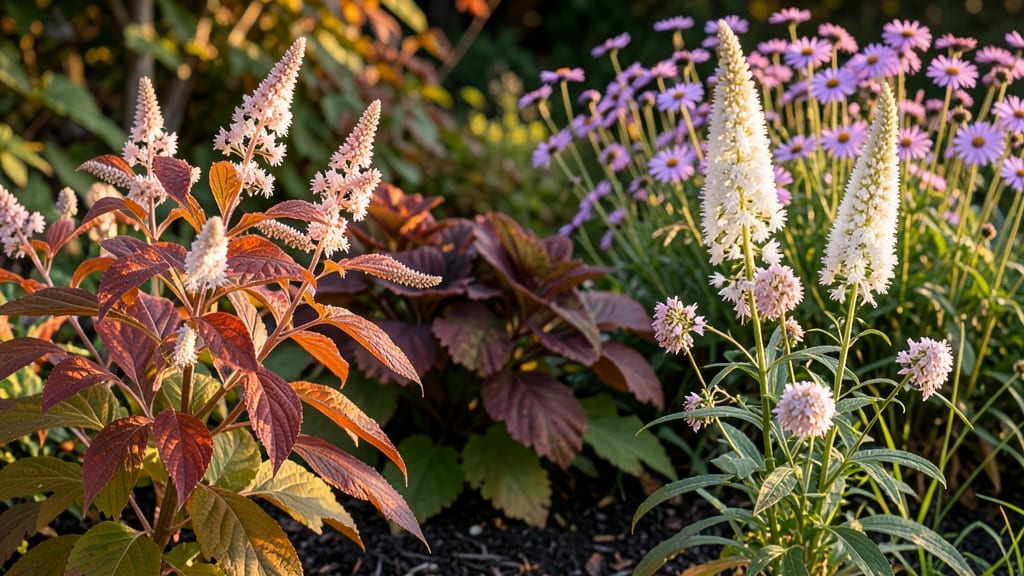
Fall flowering bushes turn your yard into a season-long color show without the fuss of deadheading. 🌿 I used to dread autumn—bare branches and faded gardens—but these varieties keep blooms coming until frost, with minimal effort from me.
The secret lies in choosing the right plants: asters, hydrangeas, and butterfly bush deliver bold hues while attracting pollinators. Plant them in well-draining soil now, and you’ll enjoy vibrant blooms through November with just regular watering and occasional pruning.
What you’ll love most is how they transform your landscape—deep purples, fiery oranges, and creamy whites that outshine summer annuals. Plus, they support bees and butterflies when food gets scarce. Works for borders, containers, or mixed beds. Here’s how to pick and prep them for maximum impact.
📚 In This Guide
- What you need
- Instructions
- Tips and common mistakes
- Wrapping up and next steps
What you need
- ● Fall-flowering bushes: Choose from varieties like Abelia, Camellia, Hydrangea, or Viburnum (3–5 plants for a small yard, 5+ for larger spaces). Opt for container-grown (1–3 gallon pots) or bare-root (dormant season) for best results.
- ● High-quality potting soil or native soil mix: 1–2 cubic yards (or 10–20 bags) enriched with compost or aged manure (20–30% organic matter).
- ● Slow-release fertilizer: 10–20 lbs of balanced 10-10-10 or acid-loving plant formula (for Camellias/Azaleas).
- ● Mulch: 2–3 inches of pine bark, cedar chips, or shredded leaves (avoid fresh wood chips—they rob nitrogen!).
- ● Pruning shears: Bypass pruners (for clean cuts) or loppers (for thicker stems). Sterilize blades with rubbing alcohol between cuts!
- ● Garden hose or watering can: With a soaker hose attachment (for deep watering) or a 5-gallon capacity for containers.
- ● Gloves and knee pads: Heavy-duty gardening gloves (for thorns like Rose of Sharon) and cushioned pads for comfort.
- ● Soil pH test kit: Ensures your bushes thrive (ideal pH: 5.5–6.5 for most fall bloomers; 4.5–5.5 for Azaleas/Rhododendrons).
- ● Transplanting spade or shovel: 18–24 inches deep for digging holes (or rent a post-hole digger for tough soil).
- ● Stakes and twine: For young or top-heavy bushes (e.g., Weigela) in windy areas.
- ● Organic pest control: Neem oil spray (1 tbsp/gal water) or beneficial nematodes for aphids/scale.
- ○ Drip irrigation system: Automatic timer (optional but game-changing for consistent moisture!).
- ● Season extender: Burlap wraps or frost cloth (for late-season blooms in colder climates).
- ● Sunlight assessment: Map your yard’s sunlight exposure (full sun: 6+ hrs; partial shade: 3–6 hrs). Most fall bushes love morning sun + afternoon shade.
- ● Soil test results: Check drainage (amend clay soil with sand/perlite; sandy soil with peat moss).
- ● Planting timeline: Fall planting (Sept–Nov) is ideal—roots establish before winter, and spring blooms are extra vibrant!
- ● Local regulations: Verify invasive species bans (e.g., Burning Bush is restricted in some states).
How to select and plant fall flowering bushes for season-long color
Here's my foolproof method for choosing and planting bushes that burst with fall color without needing deadheading.
🌿 Step 1: Choose the Right Bushes for Fall Interest
Focus on varieties that naturally extend their bloom season into autumn. My top picks are Oakleaf Hydrangea ('Little Lime' or 'Snow Queen'), Smoke Bush (Cotinus), and Japanese Anemone (Anemone hupehensis). These plants develop vibrant foliage colors—deep reds, purples, and oranges—that last well into winter.
Check the mature size when selecting. For small gardens, 3-5 feet tall bushes like Korean Spice Viburnum work beautifully, while larger spaces can accommodate 9-foot-tall Smoke Bush varieties. Plant at least 4 feet apart to allow airflow and prevent disease—crowded plants struggle with fall moisture.
🪴 Step 2: Prepare the Planting Site for Fall Success
Fall-flowering bushes thrive in morning sun with afternoon shade—this prevents leaf scorch while maximizing bloom production. Test your soil pH: Hydrangeas love acidic soil (5.0-6.0), while Smoke Bush and Viburnums prefer neutral to slightly alkaline (6.5-7.5). Amend the soil with 2-3 inches of compost mixed into the top 12 inches of soil.
Dig a hole twice as wide as the root ball but only as deep—planting too deep suffocates roots. Loosen the edges of the root ball before placing it in the hole. This encourages roots to spread outward instead of circling, which weakens the plant. Water deeply before backfilling to eliminate air pockets.
☀️ Step 3: Plant at the Right Time for Fall Establishment
Plant 6-8 weeks before your first frost—this gives roots time to establish before winter. Choose a cool, overcast day to reduce transplant shock. Water the plant thoroughly every other day for the first 2 weeks, then taper to once a week once new growth appears. Mulch with 2-3 inches of shredded bark to retain moisture and regulate soil temperature.
Here's the thing—fall-planted bushes need consistent moisture but no soggy soil. You'll know you're doing it right when the soil feels damp 2 inches down but not saturated. Overwatering now leads to root rot before winter dormancy sets in. Avoid fertilizing after mid-summer—new growth won't harden off before frost.
🌱 Step 4: Encourage Fall Foliage Color Through Pruning
Prune right after flowering (late summer) to shape the bush and remove any dead or crossing branches. For Smoke Bush, cut back one-third of the oldest stems each year to promote new growth with vibrant fall foliage. Hydrangeas should be pruned in early spring—never in fall, as their buds form over summer.
Watch for leaf color changes—this is your cue that the plant is preparing for dormancy. If leaves turn brown prematurely, it's often due to too much afternoon sun or poor drainage. Move the bush to a slightly shadier spot if needed, but don't rush—fall color development takes 4-6 weeks after peak summer heat.
⏰ Step 5: Winterize for Next Year's Fall Display
Apply a 3-inch layer of mulch around the base in late fall to insulate roots. Water deeply once more before the ground freezes—this prevents drought stress when spring arrives. Avoid pruning in winter, as dormant buds are already forming for next year's blooms and foliage.
Real talk: The best fall color comes from healthy roots, not aggressive pruning. I've seen gardeners cut back too hard in fall, only to get weak stems and poor color the following season. Let the bush rest—your reward will be vibrant foliage that lasts until the first hard frost.
Tips & tricks for perfect fall flowering bushes
Here's what nobody tells you about creating a fall garden that stays stunning without constant upkeep.
Selection Tip: When choosing your bushes, prioritize varieties with double-blooming habits—these naturally extend their show into autumn. For example, Oakleaf Hydrangea produces vibrant fall foliage even after summer blooms fade, while Japanese Anemone develops stunning burgundy leaves that last until frost. I always check the plant tag for "seasonal interest" labels—these are your best bets for zero-deadheading color.
Soil Prep Strategy: The 2-3 inches of compost mixed into the top 12 inches of soil is non-negotiable for fall color. Organic matter improves drainage while retaining moisture—critical during autumn's fluctuating weather. For hydrangeas specifically, I add a handful of sulfur granules to lower pH to 5.0-6.0 before planting. This acidity boost prevents the dreaded green foliage that ruins fall displays. Test your soil first—amending established beds takes longer than new plantings.
Planting Timing Secret: The 6-8 week window before frost gives roots time to establish without summer heat stress. I've learned this the hard way—planting too late means roots don't harden off before winter, leading to winter dieback. Pro tip: Check your local frost date and count backward. For northern climates, aim for late August; southern regions can plant until mid-October. The cool, overcast day recommendation isn't just about comfort—it reduces transplant shock by minimizing evaporation and stress on fresh roots.
Pruning Precision: That one-third stem reduction for Smoke Bush might seem drastic, but it's what creates those dramatic purple smoke-like plumes in fall. I mark the cut line with a white ribbon before pruning to ensure clean cuts. For hydrangeas, resist the urge to prune in fall—those buds are already forming for next year's blooms. The 4-6 week color development period after summer heat is when the real magic happens, so be patient. If leaves brown prematurely, it's usually a sign of too much afternoon sun—move the bush gradually rather than all at once.
Pro Tips for Fall Flowering Bushes
- Here's what nobody tells you about creating a fall garden that stays stunning without constant upkeep.
- Selection Tip: When choosing your bushes, prioritize varieties with double-blooming habits—these naturally extend their show into autumn.
- Soil Prep Strategy: The 2-3 inches of compost mixed into the top 12 inches of soil is non-negotiable for fall color.
Frequently asked questions
When is the best time to plant fall flowering bushes?
Plant in early fall (September–October) for optimal root establishment before winter. This gives bushes time to settle in while avoiding summer heat stress. If you miss the window, spring planting (March–April) works too—just water deeply to support new growth.
How long do fall flowering bushes bloom?
Most varieties bloom for 4–8 weeks, starting in late summer (August) and lasting into frost. Some, like Abelia or Weigela, may have sporadic blooms into early winter. Zero deadheading means fewer flowers fade early—just enjoy the show!
Can fall flowering bushes survive cold winters?
Yes! Most are hardy to USDA Zones 5–9, but young plants may need winter mulch (2–3 inches of shredded bark) to protect roots. Evergreens like Camellia or Oakleaf Hydrangea handle frost best, while tender varieties (e.g., Abelia) benefit from a light burlap wrap.
What if my bush isn’t flowering this year?
Common causes include over-fertilizing (too much nitrogen), pruning at the wrong time (after blooms), or poor sunlight. Try pruning right after flowering (not in fall) and move to 6+ hours of sun. A balanced fall fertilizer (low nitrogen) can also encourage next year’s blooms.
Are there low-maintenance alternatives to traditional fall bushes?
Try Butterfly Bush (Buddleia) for drought tolerance, Smoke Bush (Cotinus) for foliage color, or Oakleaf Hydrangea for zero deadheading and four-season interest. All thrive with minimal pruning and occasional watering once established.
Still stumped? Drop your question below—we’re happy to help!
Wrapping up and next steps
Fall flowering bushes are the secret weapon for extending your garden’s vibrancy well into autumn—without the fuss of deadheading! 🍂 From fiery sumacs to delicate clethras, these low-maintenance stars bring color, texture, and even wildlife appeal to your landscape.
Whether you’re a seasoned gardener or just starting, adding one (or a few!) ensures your yard stays lively when others fade away.
Ready to transform your space? Start small: Pick one bush that thrives in your climate and sunlight, then expand your collection next season. Your future self—and your neighborhood—will thank you! 🌸