
Pruning
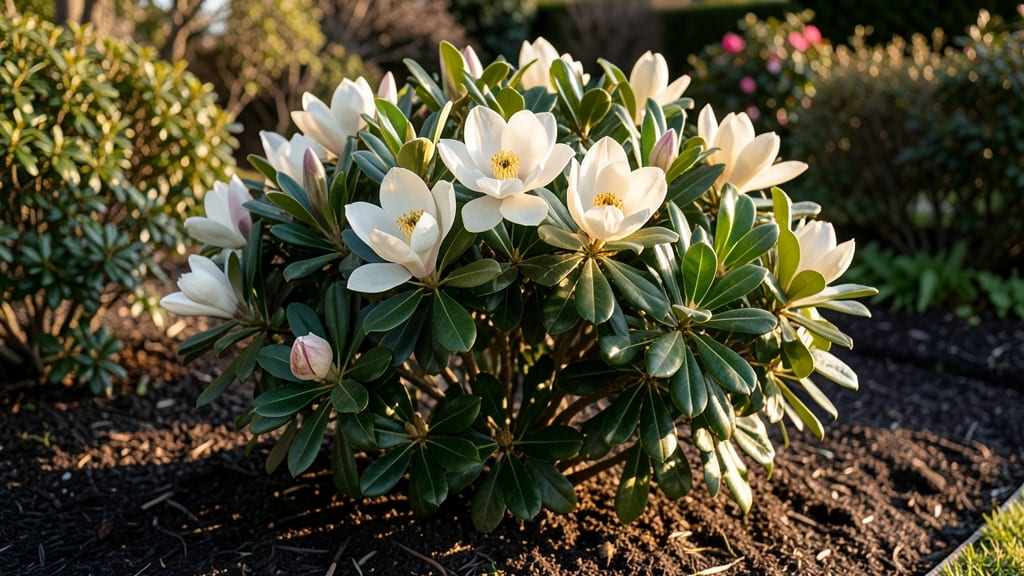
Pruning your fairy magnolia bush (Magnolia 'Fairy') unlocks those legendary year-round blooms—and honestly, it’s easier than you’d think. 🌸 I’ve been growing mine for five years, and the secret isn’t aggressive cuts but knowing when to trim.
Most people over-prune, stripping away next season’s flowers, but this bush rewards patience with fragrant blooms from spring through winter.
The key is timing: prune right after flowering (late spring) to shape without sacrificing blooms, and avoid heavy cuts in fall or winter when the plant is dormant. A simple 30-minute session with sharp shears keeps it compact and encourages more flowers.
Even in cold climates (zones 5-9), this bush thrives with minimal fuss—just protect it from harsh winds and late frosts.
What you’ll end up with is a bush that smells like a spring morning year-round, with glossy leaves and delicate pink blossoms. The fragrance alone makes it worth the effort, and the minimal pruning means less work for you. Plus, it’s deer-resistant and drought-tolerant once established, so it’s practically foolproof.
Whether you’re shaping a hedge or keeping it as a standalone specimen, this guide covers everything—from tools to avoid to how to handle leggy growth. Let’s get those blooms popping without the stress!
📚 In This Guide
- What you need
- Instructions
- Tips and common mistakes
- Wrapping up and next steps
What you need
- ● Pruning shears: Bypass pruners (sharp, clean, and sterilized with rubbing alcohol to prevent disease) – 1 pair.
- ● Loppers: For thicker branches (1/4"–1" diameter) – 1 pair.
- ● Hand pruners: For delicate cuts (smaller than 1/4") – 1 pair.
- ● Gloves: Heavy-duty, cut-resistant (to protect from thorns and sap) – 1 pair.
- ○ Disposable pruning bags: For collecting debris (optional but handy!) – 1–2 bags.
- ● Rubbing alcohol (70%+) or bleach solution: For sterilizing tools between cuts – small bottle.
- ○ Pruning sealant (optional but recommended): For larger cuts (1/2" or thicker) to prevent disease – small tube.
- ● Best timing: Prune after flowering (late spring/early summer) or never in winter (fairy magnolias bloom on old wood!).
- ● Weather check: Choose a dry, overcast day to avoid stressing the plant.
- ● Safety first: Wear long sleeves/pants—fairy magnolia thorns are sharp!
- ● Water nearby: Have a hose or bucket to rinse tools and clean up sap.
- ● Extension pole: For high branches (3–6 ft) – 1 pole.
- ● Hedge shears: If shaping a formal hedge – 1 pair.
- ● Plant food: Balanced fertilizer (10-10-10) for post-pruning recovery – small bag.
- ● Camera: Snap before/after pics—your pruning skills will look amazing!
Step-by-Step pruning guide for your fairy magnolia bush
Here's how to keep your fragrant beauty thriving with clean, strategic cuts that preserve those iconic blossoms.
✂️ Step 1: Prune Immediately After Flowering
The best time to prune your fairy magnolia (Magnolia grandiflora 'Fairy') is right after its spring blooms fade—usually late May to June. This timing ensures you never cut off next year's flower buds, which form on old wood. I always wait until all petals have fallen and the seed pods begin to form, signaling the plant has finished flowering.
Start by removing any dead, damaged, or crossing branches with clean, sharp pruning shears. Cut at a 45-degree angle just outside the branch collar—the swollen area where the branch meets the trunk. This prevents water from pooling and rotting the wound. Never leave stubs; precise cuts heal faster and look cleaner.
✂️ Step 2: Thin Out Dense Growth for Airflow
Fairy magnolias naturally grow dense, so I focus on selective thinning to improve airflow and sunlight penetration. Look for branches that rub against each other or grow inward—these are prime candidates for removal. I remove no more than 25% of the plant's foliage in a single session, as heavy pruning can stress the tree.
Make your cuts just above an outward-facing bud or leaf node to encourage new growth in the right direction. Avoid cutting into the main trunk or large branches unless absolutely necessary—these plants are slow to recover from heavy pruning. If you're unsure about a cut, hold off and observe the plant's natural growth pattern for another season.
✂️ Step 3: Lightly Shape in Late Summer
In late August to early September, give your fairy magnolia a gentle shape-up to maintain its form. This isn't about dramatic changes but rather refining the silhouette and encouraging a fuller appearance. Focus on trimming the tips of branches that have grown too long or are spoiling the plant's natural shape.
Use hand pruners for smaller branches and loppers for thicker stems up to 1.5 inches in diameter. Always cut just above a leaf node or bud, and avoid "topping" the plant by cutting back to a stub—this leads to weak, unsightly regrowth. After pruning, step back and assess the plant from all angles to ensure a balanced, natural look.
✂️ Step 4: Minimal Winter Pruning for Safety
If you spot any branches damaged by winter storms or frost, prune them out in early spring (March) before new growth begins. Limit yourself to only the most necessary cuts—fairy magnolias are sensitive to heavy pruning in winter and may struggle to recover. Look for branches that are brown, brittle, or split and remove them completely at the branch collar.
This is also the time to check for any signs of disease or pest damage. If you notice anything unusual, like black spots on leaves or sawdust-like frass (a sign of borers), address it immediately with appropriate treatments. A healthy fairy magnolia requires minimal intervention, so only prune what's absolutely necessary during this dormant period.
⏰ Step 5: Post-Pruning Care for Recovery
After pruning, your fairy magnolia will need time to recover, especially if you've made more than a few cuts. Water deeply once a week during dry spells to help the plant establish new growth. Avoid fertilizing immediately after pruning—wait until new leaves begin to form in spring, then apply a balanced, slow-release fertilizer to support recovery.
Keep an eye out for new shoots emerging from the base or along branches—these are signs the plant is healing well. If you notice any unusual growth patterns, like water sprouts (fast-growing, upright shoots), prune them out as soon as they appear to redirect the plant's energy into stronger, more stable branches.
Tips & tricks for perfect fairy magnolia pruning
A few strategic adjustments will help you maintain your fairy magnolia's health and fragrance while keeping those iconic blooms coming back year after year.
Timing is Everything: The late May to June window for Step 1 is non-negotiable for preserving next year's flower buds, which form on old wood. I've learned the hard way—pruning too early can mean no blossoms the following spring. Watch for those seed pods forming as your clear signal it's time to prune. The petals must be completely gone before you cut.
Precision Cuts Matter: When making those 45-degree angle cuts in Step 1, use a sharp pair of pruning shears and cut just outside the branch collar. I've seen too many gardeners leave stubs, which create entry points for disease. Take your time—this is where clean cuts prevent future problems. For branches thicker than 1.5 inches, consider using loppers to avoid crushing the branch.
Seasonal Pruning Strategy: The late August to early September shaping in Step 3 is your chance to refine the plant's form without stressing it. I recommend working on clear days when the plant is actively growing. This timing allows new growth to establish before winter dormancy. Remember, fairy magnolias are slow growers—don't be tempted to remove more than 25% of foliage in any single session.
Recovery Care: After pruning, the once-a-week deep watering in Step 5 is crucial, especially during dry spells. I've noticed that plants pruned in late summer often need more frequent watering as they establish new growth. Wait until spring to fertilize—new leaves forming is your cue that the plant is ready to benefit from nutrients. This timing prevents overstimulating the plant when it's still recovering from pruning.
Pro Tips for Fairy Magnolia Bush
- A few strategic adjustments will help you maintain your fairy magnolia's health and fragrance while keeping those iconic blooms coming back year after year.
- Timing is Everything: The late May to June window for Step 1 is non-negotiable for preserving next year's flower buds, which form on old wood.
- Precision Cuts Matter: When making those 45-degree angle cuts in Step 1, use a sharp pair of pruning shears and cut just outside the branch collar.
Frequently asked questions
When is the best time to prune my fairy magnolia bush?
The ideal time is late winter or early spring (before new growth starts), but you can also prune lightly after flowering (spring/summer) to shape it. Avoid heavy pruning in fall—it can stimulate tender new growth that may frost damage. Pro tip: If you must prune in summer, do it early to reduce stress!
Can I prune my fairy magnolia in winter?
Yes, but only if necessary (e.g., removing dead or broken branches). Heavy winter pruning can stimulate growth too early, leaving buds vulnerable to late frosts. If you must prune in winter, wait until mid-to-late winter (after the worst cold snaps) for safety. Pro tip: Use sharp, clean tools to avoid tearing bark!
How much can I prune my fairy magnolia bush?
Fairy magnolias are low-maintenance, so minimal pruning is key! Limit cuts to 10-20% of the plant’s volume per year. Over-pruning can reduce flowering or weaken the bush. Focus on removing dead wood, crossing branches, or shaping lightly. Pro tip: Step back and assess—if you’re tempted to cut more than 20%, wait a year!
Why are my fairy magnolia leaves turning yellow or brown?
Yellow/brown leaves often signal overwatering, underwatering, or pests. Check soil moisture—fairy magnolias prefer well-draining soil. Look for spider mites or scale insects (common pests) on undersides of leaves. Treat with neem oil or insecticidal soap if needed. Pro tip: Mulch around the base to retain moisture and regulate soil temp!
Will pruning my fairy magnolia reduce its flowers next year?
Not if done correctly! Pruning after flowering (summer) or in late winter has minimal impact. However, heavy pruning in fall can reduce next year’s blooms. Focus on removing only dead or problematic branches—your fairy magnolia will reward you with fragrant, creamy-white flowers year after year!
Are there smaller alternatives to the fairy magnolia?
If space is limited, consider these compact magnolia varieties:
Pro tip: Check your USDA hardiness zone—some varieties prefer milder climates!
Wrapping up and next steps
Transforming your garden into a fragrant haven with a fairy magnolia bush is simpler than you think! With the right tools, timing, and techniques, you’ll enjoy its delicate blooms and intoxicating scent year after year—all while keeping its shape pristine.
Remember, less is more with these beauties; a little pruning goes a long way.
Ready to take the next step? Grab your pruners, mark your calendar for late winter or early spring, and give your fairy magnolia the care it deserves. Watch as your garden becomes a blooming, fragrant paradise! 🌸✨