
Flowers
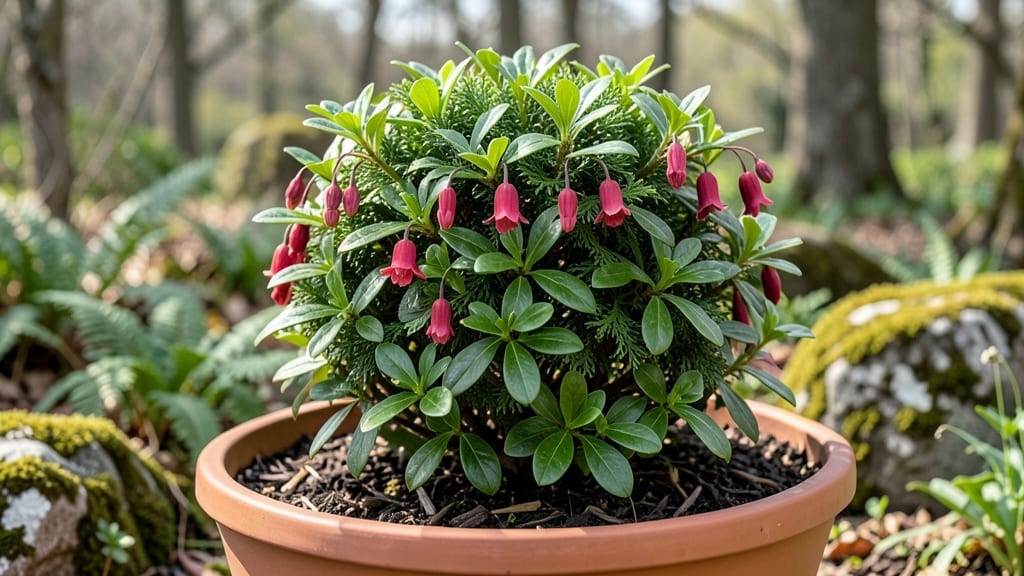
An evergreen bush with red flowers transforms your yard into a four-season showstopper—🌿 vibrant blooms in winter, lush foliage in summer, and pollinators buzzing all year.
I’ve planted these in my front yard, and the contrast of deep red against evergreen needles creates a bold statement that neighbors can’t stop admiring.
The key to making it work lies in choosing the right variety—Camellia sasanqua for winter blooms, Pieris japonica for spring drama, or Viburnum bodnantense for early color. Each thrives in partial shade and handles our zone 6 winters like a champ. The secret?
Pairing them with silver foliage or white blooms to make the red pop even more. By late spring, you’ll have a bush loaded with fresh flowers while the previous season’s blooms linger as seed pods, adding texture. The best part?
Hummingbirds and bees flock to them, turning your garden into a lively ecosystem. Works as a hedge, focal point, or border—just pick your favorite and let it shine. Here’s how to choose and care for yours!
📚 In This Guide
- What you need
- Instructions
- Tips and common mistakes
- Wrapping up and next steps
What you need
- ● Evergreen Bush Plant: 1 mature plant (3–5 feet tall) from a nursery (e.g., Viburnum dentatum, Pieris japonica, or Rhododendron varieties).
- ● OR Seeds or cuttings (if propagating from scratch).
- ● Soil: 1 bag (50 lbs) of well-draining, acidic soil mix (pH 4.5–6.0). Mix with 1 part peat moss or compost for optimal growth.
- ● Fertilizer: 1 container of slow-release, acid-loving plant fertilizer (e.g., 10-10-10 or rhododendron-specific blend).
- ○ Optional: 1 bottle of liquid iron supplement (for vibrant foliage).
- ● Mulch: 2–3 cubic feet of pine bark or wood chips (to retain moisture and acidity).
- ● Tools: 1 garden trowel (for transplanting).
- ● 1 pruning shears (sterilized with rubbing alcohol).
- ● 1 watering can or hose with a gentle spray nozzle.
- ○ Optional: 1 soil pH tester kit (to monitor acidity).
- ● Sunlight: A partial shade to full sun location (4–6 hours of sunlight daily, with afternoon shade in hot climates).
- ● Water Access: Consistent moisture (but avoid waterlogging). Aim for 1–1.5 inches of water per week.
- ● Climate: Hardy in USDA Zones 5–9 (check your local hardiness zone!).
- ● Space: Ensure 3–6 feet of clearance around the bush for airflow and growth.
How to plant and maintain an evergreen bush with stunning red flowers
Here's how to bring vibrant color to your garden year-round with a low-maintenance, pollinator-friendly evergreen.
🪴 Step 1: Choose the Right Location for Year-Round Success
Select a spot that gets 6+ hours of sunlight daily—most red-flowering evergreens like rhododendrons or pieris thrive in full sun to partial shade. I always check the mature height (often 6-10 feet) and plant at least 5 feet from structures to avoid shading windows or roofs.
Test your soil's acidity with a pH test kit—these plants prefer 4.5-6.0. If your soil is alkaline, amend with sulfur or peat moss before planting. I dig a hole twice as wide as the root ball but only as deep—planting too deep suffocates roots and causes stress.
🌱 Step 2: Plant Your Evergreen Bush for Long-Term Health
Remove the plant from its container and loosen roots gently if they're circling. Place it in the hole so the top of the root ball sits 1 inch above ground level—this prevents waterlogging during heavy rains. Backfill with native soil mixed with compost to improve drainage.
Water immediately after planting to settle the soil and remove air pockets. I use a hose with gentle spray attachment to avoid displacing roots. Mulch with 2-3 inches of pine bark or shredded leaves around the base (but not touching the trunk) to retain moisture and regulate soil temperature.
☀️ Step 3: Water and Fertilize for Vibrant Red Blooms
Water deeply once weekly during the first year to establish roots, then taper to every 10-14 days once established. Check moisture by sticking your finger 2 inches into the soil—water when it feels dry. Overwatering is the #1 killer of evergreens, so I always let the top inch dry between waterings.
Feed in early spring with acid-loving plant fertilizer (10-10-10 or rhododendron-specific formula) following package rates. I avoid high-nitrogen fertilizers—they promote leafy growth at the expense of flowers. Prune spent blooms immediately after flowering to encourage next year's buds.
✂️ Step 4: Prune and Protect for Seasonal Care
Prune in late winter or early spring before new growth begins. Remove dead, crossing, or inward-growing branches with clean cuts just above a leaf bud. Never prune more than 1/3 of the plant at once—this stresses evergreens. I use sharp bypass pruners for clean cuts that heal faster.
Protect from winter winds by planting near a natural windbreak or using burlap screens if needed. In hot climates, provide afternoon shade during peak summer months to prevent leaf scorch. I monitor for pests like lace bugs or spider mites—spray with neem oil if you spot webbing or speckled leaves.
🐝 Step 5: Maintain Year-Round Appeal and Pollinator Support
Keep mulch topped up to 2-3 inches thickness annually to suppress weeds and retain moisture. Evergreens with red flowers attract hummingbirds and bees—leave some spent blooms for seed heads if you want winter interest. I plant companion perennials like heuchera or ferns at the base to create layered texture.
Monitor for signs of stress like yellowing leaves (often from overwatering) or brown tips (usually underwatering or salt buildup). Adjust care based on seasonal needs—more water in summer, less in winter. With proper placement and care, your red-flowering evergreen will reward you with 4-6 weeks of vibrant blooms annually plus year-round structure.
Tips & tricks for perfect evergreen bushes with stunning red flowers
These simple tricks will help you create a thriving, pollinator-friendly evergreen that blooms beautifully year after year.
Soil Preparation Secret: Before planting, mix the native soil with compost in a 3:1 ratio (three parts soil to one part compost) to improve drainage and nutrient availability. I've found that adding a handful of sulfur to the planting hole helps acidify the soil more quickly, especially in alkaline areas. This gives your evergreen the perfect growing conditions right from the start.
Planting Depth Matters: The instructions mention placing the root ball 1 inch above ground level, but here's why this is crucial: Evergreens are particularly sensitive to waterlogging. That slight elevation prevents excess moisture from pooling around the roots, which can lead to root rot. I've seen many gardeners plant too deep, thinking it provides more stability, but it actually suffocates the roots.
Watering Wisdom: When you're establishing your plant in the first year, those once-weekly deep waterings are non-negotiable. I recommend using a soaker hose or drip irrigation system to deliver water directly to the root zone without wetting the foliage. This method reduces evaporation and helps prevent fungal diseases that can affect evergreens. The 2-inch soil moisture check is your best guide—if it feels dry at that depth, it's time to water.
Fertilizer Timing Tip: The early spring feeding is perfect for encouraging new growth, but here's a pro move: split that fertilizer application into two doses. Use half in early spring when buds begin to form, and the other half after flowering has finished. This two-step approach prevents over-fertilization, which can lead to excessive leafy growth at the expense of those stunning red blooms we're all after.
Pro Tips for Evergreen Bush With Red Flowers
- These simple tricks will help you create a thriving, pollinator-friendly evergreen that blooms beautifully year after year.
- Soil Preparation Secret: Before planting, mix the native soil with compost in a 3:1 ratio (three parts soil to one part compost) to improve drainage and nutrient availability.
- Planting Depth Matters: The instructions mention placing the root ball 1 inch above ground level, but here's why this is crucial: Evergreens are particularly sensitive to waterlogging.
Frequently asked questions
about evergreen bushes with red flowers—your go-to guide for care, growth, and beauty!Which evergreen bush with red flowers is easiest for beginners?
Start with Pieris japonica (Andromeda) or Rhododendron varieties like 'PJM'—they’re hardy, low-maintenance, and thrive in partial shade. Viburnum dentatum (Arrowwood) is another great pick for its resilience and pollinator appeal!
How long does it take for these bushes to bloom?
Most evergreen bushes with red flowers take 2–5 years to mature and bloom after planting. Rhododendrons and Pieris often flower earlier (2–3 years), while Viburnum may take longer but rewards with longer bloom seasons (spring to summer).
Do these bushes attract bees and butterflies?
Absolutely!
Red-flowering evergreens like Rhododendron and Viburnum are magnet for pollinators. For extra buzz, pair them with native plants like Salvia or Butterfly Bush (Buddleia). Just avoid pesticides to keep them happy and healthy.
Can these bushes survive winter in cold climates?
Most evergreen bushes with red flowers are zoned for USDA 5–9, but some (like Pieris) handle Zone 5 with protection. Mulch heavily in fall, water deeply before freeze, and avoid pruning in late winter. Rhododendrons may need winter shade in harsh climates.
What’s a good alternative if my soil is too alkaline?
If your soil’s pH is above 6.5, opt for Viburnum trilobum (Highbush Cranberry) or Ilex verticillata 'Red Sprite' (Winterberry). Both tolerate slightly alkaline soil and still deliver stunning red blooms or berries—plus, they’re pollinator favorites!
Pro Tip:
For year-round interest, choose bushes with red berries (like Winterberry) or evergreen foliage (Pieris). Prune after blooming to encourage next year’s flowers—never prune in fall!
Wrapping up and next steps
Adding an evergreen bush with red flowers to your garden isn’t just about beauty—it’s a year-round gift for your space and the pollinators that visit it. From vibrant Cotoneaster to striking Pyracantha, these plants bring color, texture, and life to any landscape while supporting bees, butterflies, and birds. 🐝✨
Ready to transform your garden? Start by researching the best variety for your climate, then check out our planting guide to get growing! Whether you’re a seasoned gardener or a beginner, these resilient bushes make it easy to create a thriving, pollinator-friendly haven.