
Shrubs
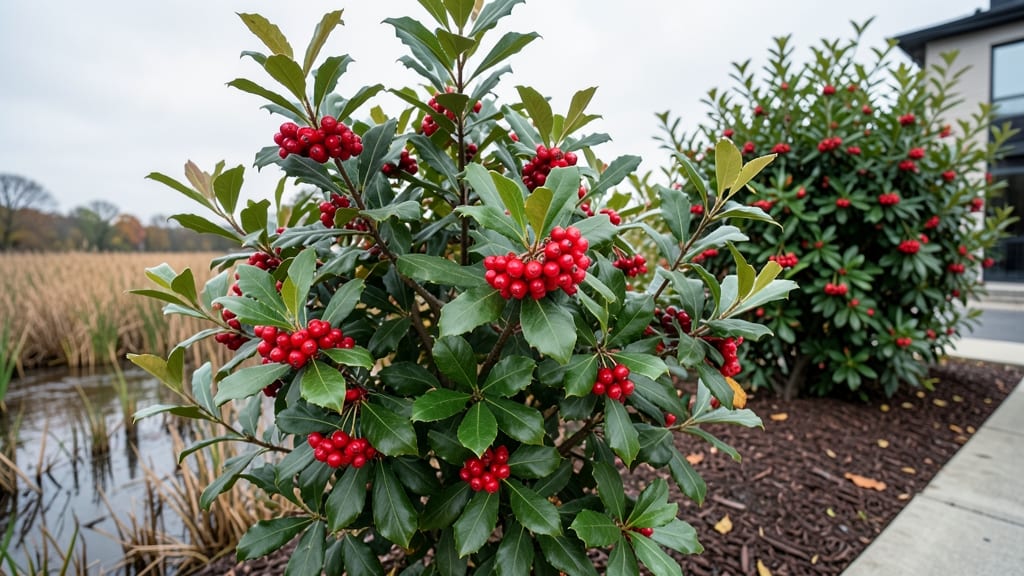
Tired of seasonal berries? These 10 evergreen berry bushes produce edible fruit *and* stunning foliage year-round, even in freezing climates. Perfect for permaculture gardens, wildlife-friendly yards, and low-maintenance harvests.
Arctic Kiwi Vine (Actinidia arguta)
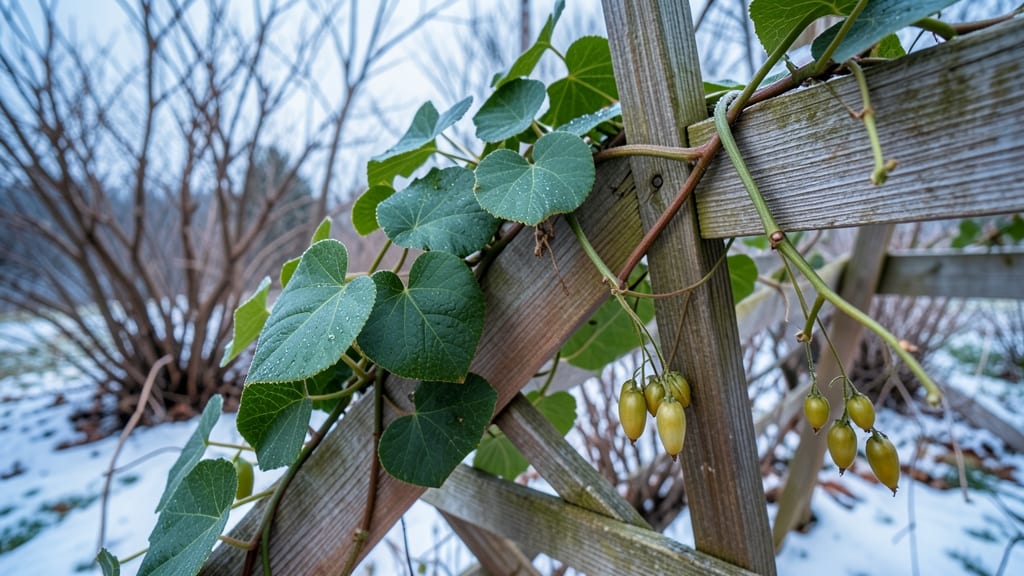
Skip the tropical greenhouse—Arctic kiwi vine (Actinidia arguta) thrives where traditional kiwis freeze to death, producing sweet, grape-sized fruit that’s ready to harvest just 90 days after flowering. Unlike its thorny, finicky cousin, this vine is hardy to -30°F and grows aggressively on trellises, making it perfect for cold climates from Zone 3 to 7.
Plant in full sun to partial shade, training vines on a sturdy trellis for vertical growth. The heart-shaped leaves stay lush year-round, and both male and female plants are needed for fruit—though one male can pollinate up to six females. Harvest in late summer when fruits turn golden-brown; they’re sweeter than store-bought kiwis and packed with vitamin C.
This is the ultimate low-maintenance fruit vine for cold zones: no thorns to snag gloves, no winter dieback, and no need for coddling. Ideal for permaculture gardens, small homesteads, or urban trellises where space is limited. 🌱
Wintergreen Holly (Ilex verticillata)
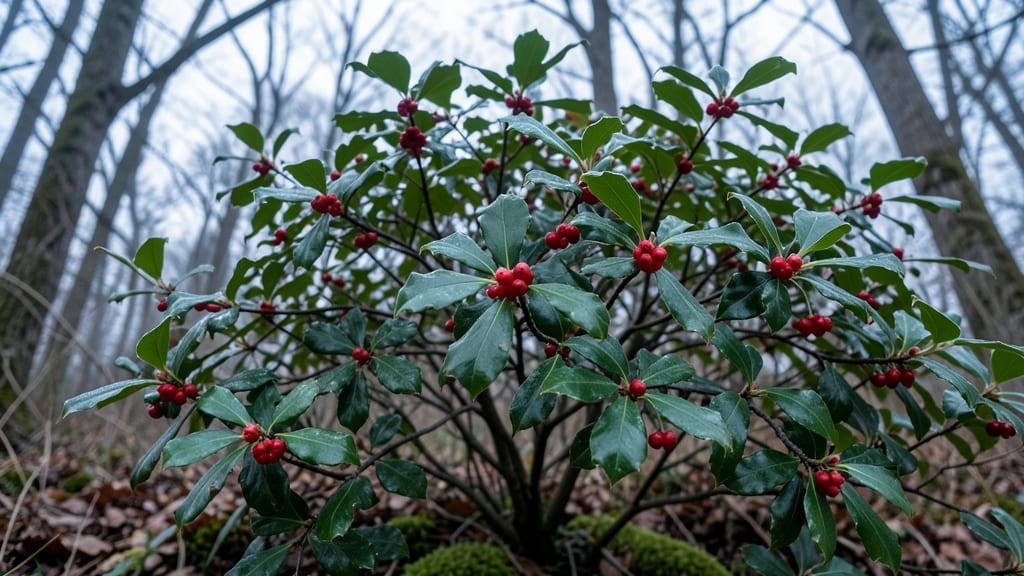
If you crave year-round color without the fuss of seasonal replanting, Wintergreen Holly (Ilex verticillata) is your native North American hero. This understory shrub thrives in USDA Zones 3-9, delivering glossy evergreen leaves and clusters of bright red berries that persist through winter—long after other plants have faded.
Native to wetlands and forests, it adapts to moist to average soil and tolerates shade, making it ideal for understory plantings or woodland gardens. Plant male and female cultivars together for berry production, and expect wildlife visitors like robins and cardinals to feast on the fruit. Prune lightly in late winter to maintain shape and encourage new growth.
Perfect for beginner gardeners and wildlife enthusiasts, this low-maintenance shrub offers four-season interest with minimal effort. 🌟
Dwarf Wintergreen Blueberry (Vaccinium angustifolium)
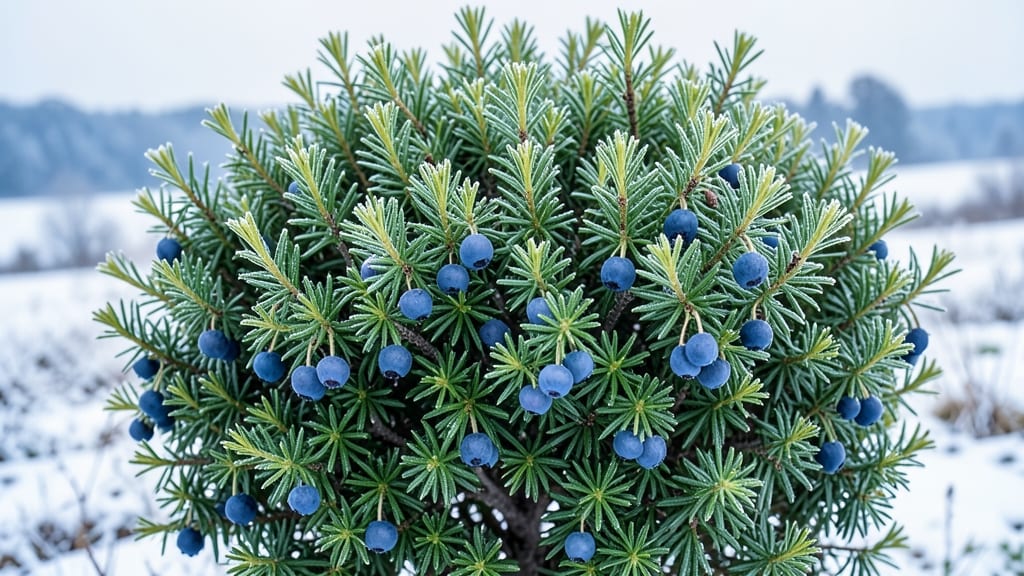
If you love blueberries but struggle with space or harsh winters, the Dwarf Wintergreen Blueberry (Vaccinium angustifolium) is your game-changer. This cold-hardy powerhouse survives temperatures down to -40°F while delivering sweet, edible berries and lush evergreen foliage—all in a compact package perfect for containers or small gardens.
Unlike traditional blueberry bushes that need acidic soil and full sun, this variety thrives in partial shade and tolerates a wider pH range (4.5–6.0). Plant in well-draining soil with 2–3 feet of space, and expect berries by late summer. The dense growth habit also makes it an excellent pollinator-friendly hedge that stays green year-round.
Urban gardeners and beginners will appreciate its low-maintenance nature—no trellises or sprawling canes required. Just add mulch to retain moisture, and you’ll enjoy fresh blueberries for decades with minimal effort. 💚
Inkberry Holly (Ilex glabra)
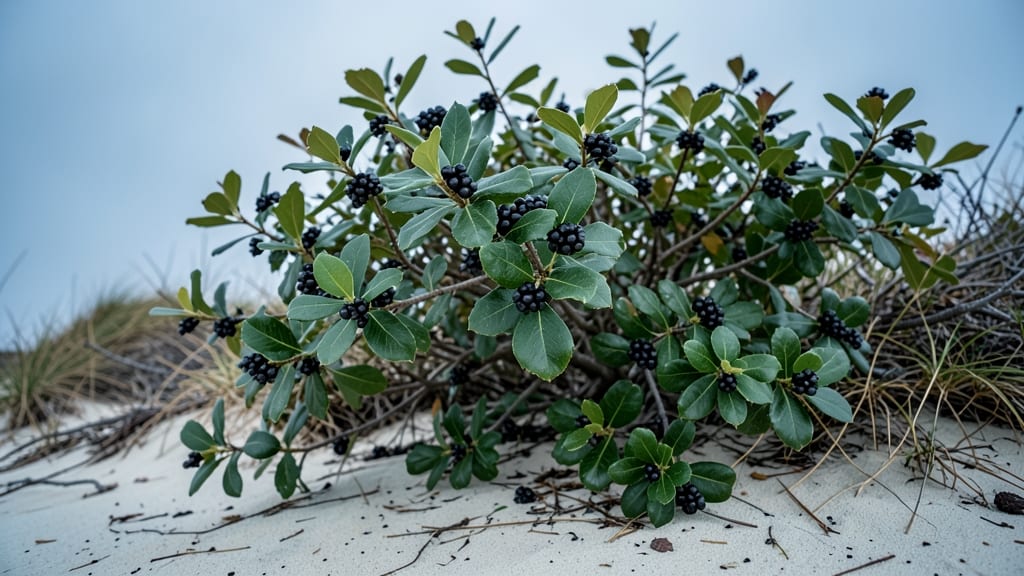
If you live near the coast or have sandy, nutrient-poor soil, Inkberry Holly (Ilex glabra) is your unsung hero. This tough evergreen thrives where other berry bushes fail, producing glossy black berries that persist from winter through spring—long after most berries have vanished.
Plant it in full sun to partial shade, and it handles salt spray and drought like a champ. The dense, leathery leaves provide year-round structure, while the berries attract birds and add drama to your landscape. Prune lightly in late winter to shape it, but avoid heavy cuts—this shrub rewards patience with minimal effort.
Perfect for coastal gardens, rain gardens, or urban landscapes, Inkberry Holly is the low-maintenance evergreen that keeps giving. 🌿
Mountain Cranberry (Viburnum edule)
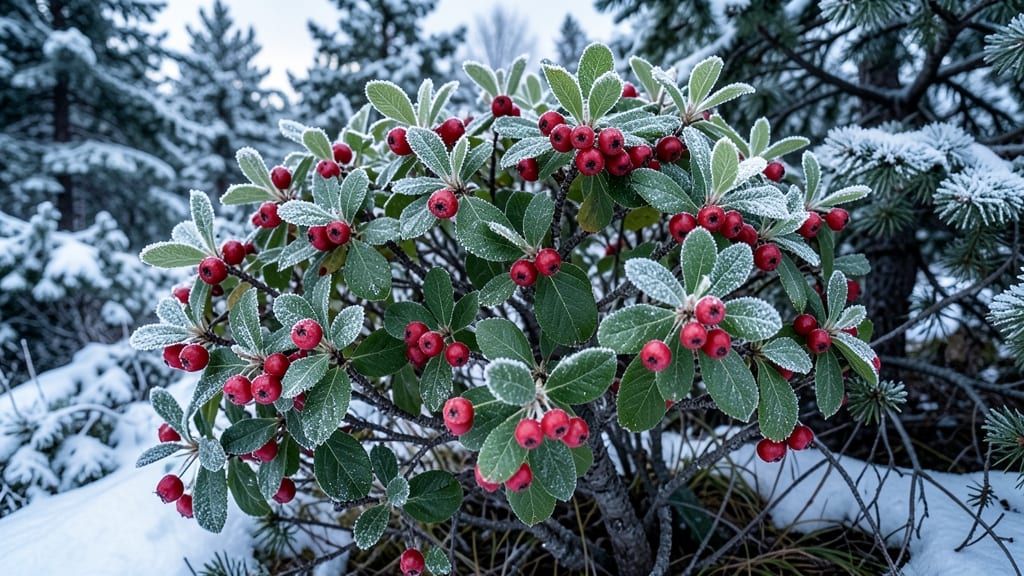
If you’re dreaming of a berry bush that thrives in sub-zero temperatures and still delivers a harvest, mountain cranberry (Viburnum edule) is your answer. This Arctic-hardy shrub survives down to -50°F, making it ideal for northern climates where other berries freeze out.
The tart, edible red berries ripen in late summer and can be enjoyed fresh, dried, or cooked into jams—while its fragrant white flowers bloom in spring, drawing bees and butterflies for months. Plant it in full sun to partial shade with well-draining soil, and expect a low-maintenance shrub that rewards you with both beauty and bounty.
Perfect for wildlife gardeners and permaculture enthusiasts, this shrub offers year-round interest—from pollinator-friendly blooms to persistent berries that birds adore. 🌟
Dwarf Oregon Grape (Mahonia aquifolium)
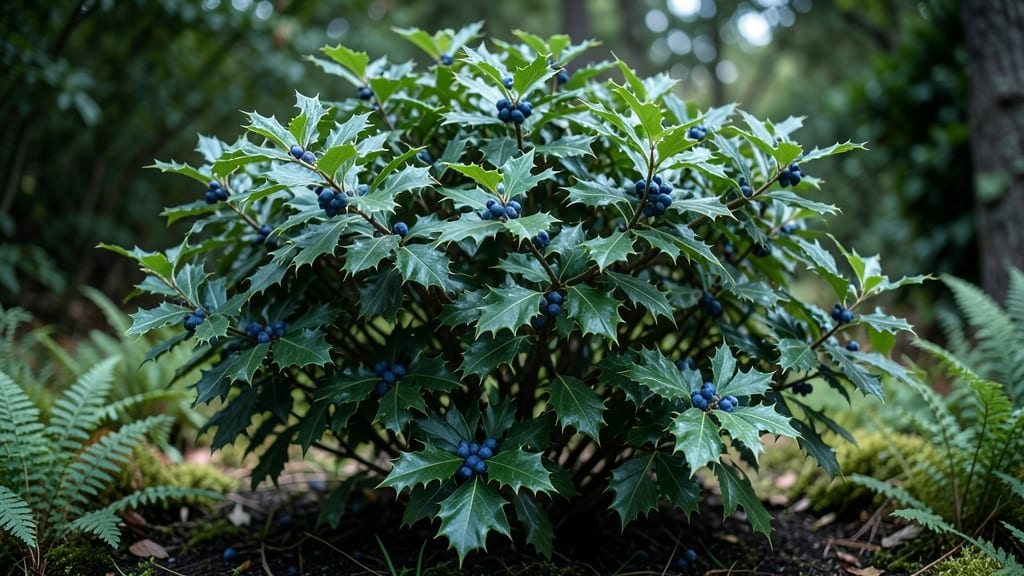
If you crave a deer-resistant evergreen with edible berries but struggle with shade in your garden, Dwarf Oregon Grape (Mahonia aquifolium) is your solution. This native Northwest gem thrives in partial to full shade, making it perfect for understory plantings where sun-loving bushes fail.
The holly-like leaves (with spiny edges!) stay lush year-round, while clusters of bright yellow berries ripen in late winter—edible for humans (tart but delicious in jams) and birds alike. Unlike high-maintenance hedges, it requires minimal pruning—just remove dead stems in early spring. Plant it as a privacy screen (grows 3-5 feet tall) or in containers for patios.
Urban gardeners and wildlife lovers will appreciate its low-water needs and ability to naturalize in woodland gardens. 🌿
Caucasian Spinberry (Rubus caucasicus)
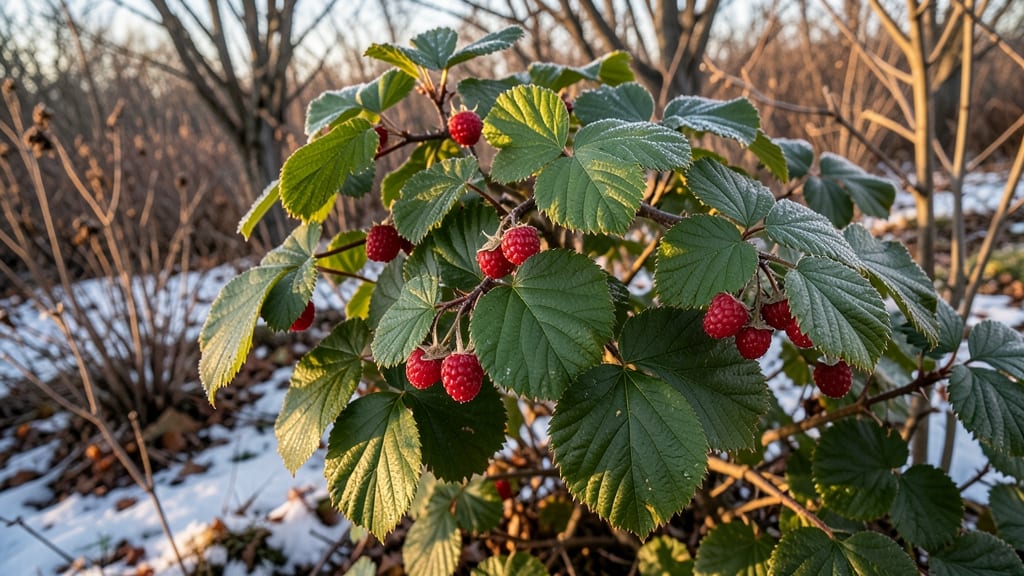
If you love raspberries but live in a cold climate, the Caucasian Spinberry (Rubus caucasicus) is your game-changer. Unlike traditional raspberries, this hardy relative thrives in USDA Zones 3-8, producing sweet, raspberry-like fruit in fall while keeping its evergreen-like foliage through winter—no messy thorns included!
This thornless shrub grows 4-6 feet tall and wide, making it ideal for hedges or small gardens. Plant it in full sun to partial shade with well-drained soil, and expect fall harvests for years with minimal care. The fruit is slightly tart but perfect for jams, fresh eating, or wildlife snacks.
Gardeners in colder regions will appreciate its year-round structure and late-season fruit, while urban growers love its compact size. It’s the ultimate low-maintenance, high-reward evergreen berry bush! 🌱
Dwarf Sumac (Rhus typhina 'Tiger Eyes')
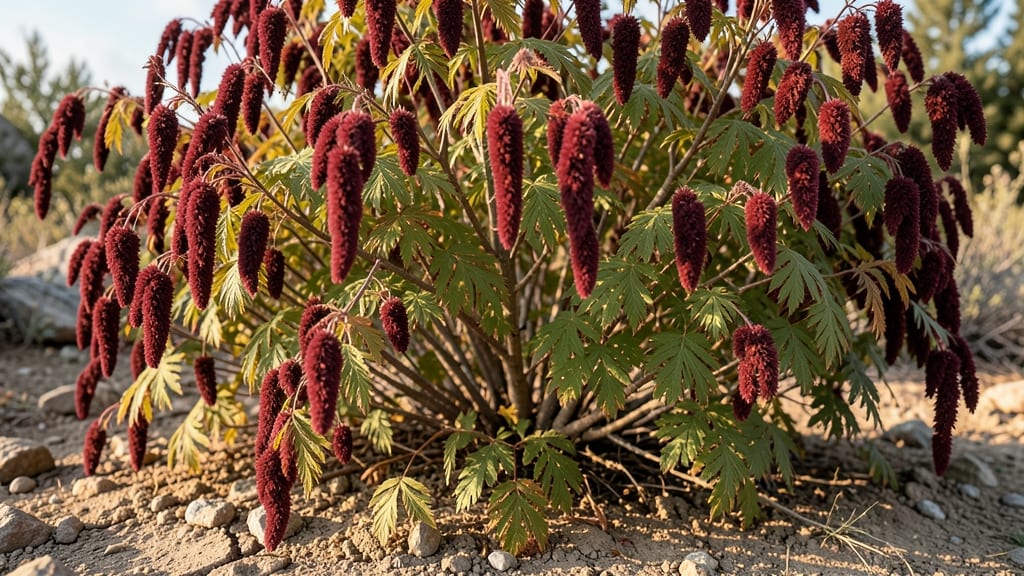
Skip the fuss of berry bushes that demand perfect soil and constant care—dwarf sumac (Rhus typhina 'Tiger Eyes') thrives in rocky, sandy, or nutrient-poor soils where most plants would give up. This low-maintenance shrub delivers year-round color without requiring pollinators or special growing conditions.
Its bright orange-red stems stand out against winter snow, while clusters of red berry-like drupes add texture and wildlife value. Unlike traditional berry bushes, it doesn’t need pruning to produce its striking display—just plant it in full sun to partial shade and let it grow. Deer and rabbits typically avoid it, making it a hassle-free choice for problem areas.
Perfect for urban gardens, rain gardens, or native landscapes, this shrub offers drama with minimal effort. 🌻
Evergreen Huckleberry (Solanum scabrum)
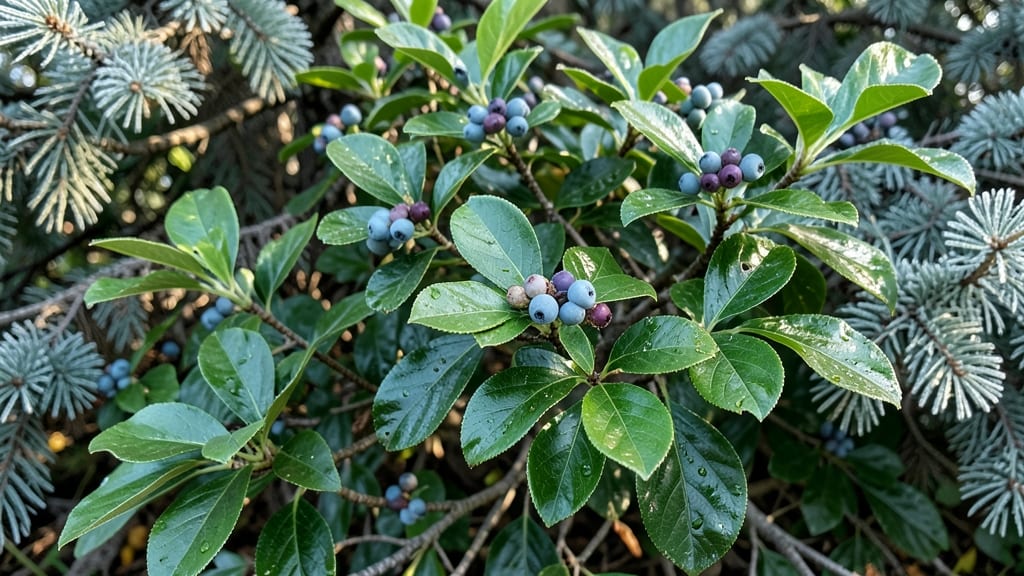
Want a tropical vibe in your garden that won’t freeze at the first frost? The evergreen huckleberry (Solanum scabrum) delivers lush, glossy foliage and edible berries while surviving down to 15°F—making it perfect for cooler zones where most tropical plants fail.
This fast-growing shrub thrives in containers or garden beds, producing small purple-black berries that ripen in late summer. Its evergreen leaves stay vibrant year-round, and it tolerates partial shade, making it ideal for patios, balconies, or shaded garden corners. Prune lightly after fruiting to encourage bushier growth.
Urban gardeners and small-space growers will love this low-maintenance shrub—it’s drought-tolerant once established and doubles as a pollinator magnet with its fragrant flowers. 🌿
Winterberry Holly (Ilex verticillata 'Winter Red')

Looking for a disease-resistant evergreen berry bush that thrives in both wetlands and urban gardens? Winterberry Holly 'Winter Red' delivers vibrant red berries that persist through winter, creating a festive look without needing a male pollinator nearby (though one is recommended for fruit).
This female cultivar handles wet soils, drought, and urban pollution, making it ideal for rain gardens or city landscapes. Plant in full sun to partial shade and prune lightly after berries fade to maintain shape. The berries attract birds and add holiday cheer, while the glossy green foliage stays evergreen year-round.
Perfect for urban gardeners and wildlife enthusiasts, this holly offers low-maintenance beauty with high impact. 🌟