
Flowers
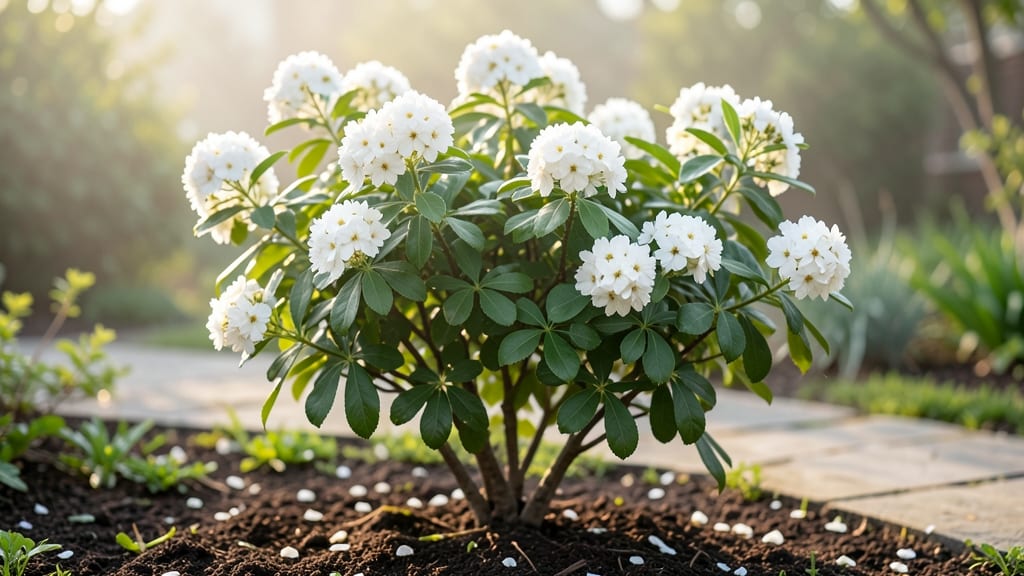
Early spring white flowering bushes like viburnum, forsythia, and flowering quince create stunning garden color when most plants are still dormant, thriving in partial shade and well-drained soil. These cold-resistant varieties bloom early to take advantage of spring sunshine before summer foliage appears.
These early bloomers rely on a clever botanical strategy: their buds form during the previous growing season and remain dormant through winter, ready to burst into color as soon as temperatures rise. 🌸 The white flowers also reflect sunlight efficiently, helping them survive frosts that might damage tender spring foliage.
I've found that planting these varieties along north-facing walls or under deciduous trees creates perfect microclimates where they'll thrive even in cooler regions.
For best results, work in compost when planting to improve drainage, and avoid overwatering—these bushes prefer slightly dry conditions once established. A light pruning after flowering encourages denser growth for next year's blooms. The key is timing: plant in early spring or fall when soil is workable but not frozen.
💡 In This Article
- Why Early Spring White Bushes Bloom Before Leaves Appear
- Planting and Care Guide for Top White Spring Bloomers
Why early spring white bushes bloom before leaves appear
These early bloomers use a fascinating survival strategy called vernalization, where flower buds form during the previous summer or fall and remain dormant until cold temperatures trigger their opening.
The buds develop on old wood (last year's growth) rather than new shoots, which explains why pruning too late can remove next year's flowers. This process allows them to bloom before leaves appear, taking full advantage of spring sunlight when temperatures are still cool enough to avoid heat stress.
The timing is all about temperature thresholds—most early spring bloomers need 40-50°F nighttime temperatures for 10-14 days to break dormancy, while daytime temperatures should reach 60-65°F. This explains why you often see white blooms in late March or April, when nights are chilly but days are warming.
The white flowers also have a functional advantage: their light color reflects excess heat, protecting delicate petals from late frosts that could damage tender foliage.
Climate zones play a crucial role in bloom timing. In USDA Zones 5-7, these bushes typically flower 2-4 weeks earlier than in warmer Zones 8-9, where spring arrives more gradually.
For example, viburnum often blooms in early April in Zone 6 but may wait until late April in Zone 8. The evolutionary advantage is clear: by blooming early, these plants ensure pollinators are available before summer foliage blocks sunlight to the flowers.
Here's what's actually happening at the cellular level: The cold temperatures cause hormonal changes that activate flower-forming genes. This process is similar to how apple trees need winter chilling to produce fruit.
The result is a stunning display of white blooms that can last 3-6 weeks, providing vital nectar for bees and other pollinators when few other flowers are available.
What most gardeners don't realize is that these early bloomers often produce two flushes of flowers—the first on old wood and a second, smaller flush on new growth later in summer. This dual-flowering strategy ensures continuous color and pollinator support throughout the growing season.
The trade-off? Heavy spring rains can sometimes damage the delicate white flowers, which is why choosing varieties with sturdy stems (like forsythia) pays off in storm-prone areas.
Consider these key factors when selecting varieties for your climate:
- Cold hardiness: Forsythia (Zones 5-8) and viburnum (Zones 3-8) handle northern winters better than flowering quince (Zones 5-9), which may need winter protection in colder regions.
- Bloom duration: Viburnum often flowers for 4-6 weeks, while forsythia has a more concentrated 2-3 week display.
- Fragrance: Flowering quince has the most intense sweet scent, while viburnum offers subtle floral notes that pair beautifully with spring greenery.