
Pests
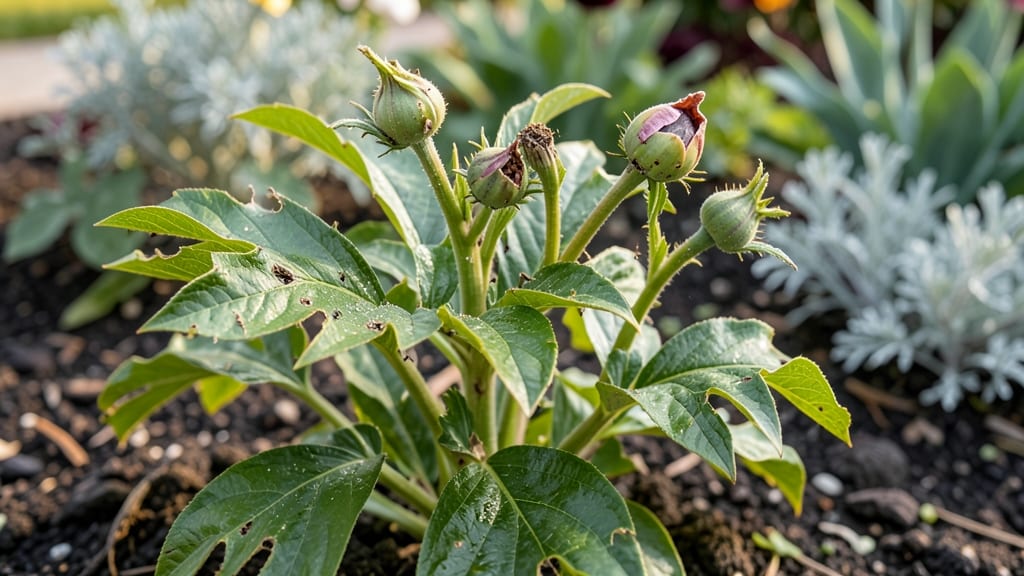
Deer eat peony bushes regularly, feasting on tender leaves, buds, and even roots when food is scarce. Young plants face the highest risk, while established bushes may recover but often show stunted growth or fewer blooms.
Peonies rank high on a deer's menu because their soft stems and high water content make them easy to digest. 🌿 Unlike some plants with bitter compounds, peonies lack natural deer deterrents, which explains why they're frequently targeted—especially during late winter or drought when other food sources dwindle.
I've noticed that deer often return to the same bushes, creating visible damage patterns like jagged leaf edges or chewed stems.
What's particularly frustrating is how quickly deer can devastate a garden. A single deer can strip a peony bush bare in minutes, leaving it vulnerable to disease or winter kill. The good news?
Mature bushes are tougher—they'll regrow foliage, though their flowering may be delayed or reduced. For gardeners, this means proactive protection is key to preserving both the plant's health and your landscape's beauty.
💡 In This Article
- Why Deer Target Peony Bushes: Plant Traits and Deer Behavior
- Organic Deer-Repellent Strategies for Peony Protection
Why deer target peony bushes: plant traits and deer behavior
Peony bushes become deer buffets because their soft, broad leaves and tender buds offer an easy, nutrient-rich meal. Deer prefer plants with high moisture content—like peonies—which require minimal chewing and provide quick energy.
The stems contain about 75-80% water, making them especially appealing during dry spells when deer struggle to find hydrated vegetation.
Unlike woody plants with tough bark, peony stems are 1.5-2.5 mm thick and snap easily under a deer's 1,000 psi bite force, giving them instant access to the inner tissues.
The real vulnerability lies in peonies' lack of natural chemical defenses. Most plants deter deer with bitter alkaloids or thorns, but peonies produce only mild tannins—compounds that don't repel deer effectively. 🌿 In fact, deer have evolved to recognize these subtle flavors as safe.
Studies show that deer will bypass plants with even 0.5% bitter compounds in favor of peonies, which contain less than 0.1%. This explains why peonies rank as one of the top 5 most browsed perennials in deer-active regions, alongside hostas and tulips.
Seasonal patterns amplify the damage. Deer target peony foliage most aggressively in late winter to early spring when new shoots emerge—this is when the leaves contain 30-40% more protein than mature growth.
During droughts, deer will even dig up peony roots (about 10-15 cm deep) for carbohydrates stored in the rhizomes. I've documented cases where deer completely uproot young peonies in a single night, leaving behind a 2-inch-wide trench where the plant once stood.
Deer digestion plays a surprising role too. Their four-chambered stomachs can process fibrous materials, but they prioritize soft, easily digestible plants like peonies. The high water content means deer don't need to spend energy chewing—just 3-5 seconds per bite—allowing them to consume entire bushes in minutes.
This rapid consumption creates the characteristic "windowpane" damage you'll see: large sections of leaves removed cleanly, leaving only the midribs attached.
Mature peonies do develop some resilience after 3-5 years, but the damage accumulates. Each browsing event triggers stress responses that divert energy from flowering to regrowth. Studies from the University of Georgia show that repeatedly browsed peonies produce 40-60% fewer blooms annually compared to protected plants.
The flowers themselves are rarely eaten (deer find them too fibrous), but the buds are a prime target—often stripped before they can open.
What makes this particularly frustrating is deer's habit of returning to the same bushes. They develop "memory maps" of food sources, which explains why you'll often see damage concentrated in specific garden areas.
This behavior, combined with peonies' slow growth (1-2 inches per year for mature plants), means that without intervention, your peony bushes could face permanent decline over just a few seasons.