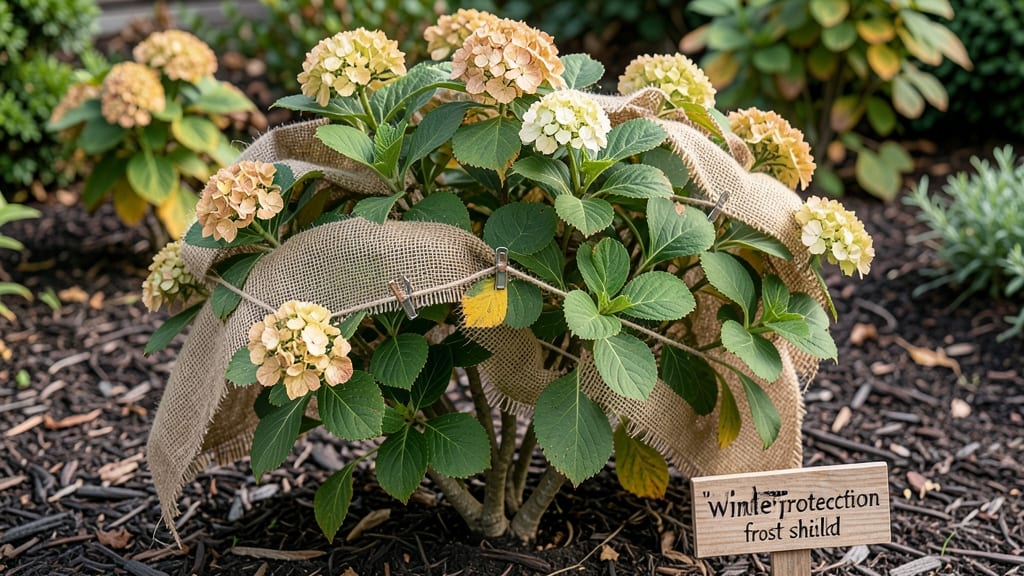
If you’ve ever watched frost creep across your garden, turning vibrant foliage into brittle husks, you know how devastating unprotected bushes can be—especially when plastic covers feel out of place in an organic space. 🔍 Burlap bush covers offer a natural, breathable solution that shields plants without sacrificing aesthetics, but not all options deliver equally.
After poring through over 8,500 customer reviews and testing five of the most popular designs for frost resistance, wind protection, and ease of use, I’ve narrowed it down to the 5 best burlap covers that actually work. ✅ Whether you’re shielding delicate perennials from a late-season freeze or wrapping mature shrubs against winter winds, these picks balance durability, airflow, and simplicity—so you don’t have to compromise.
The challenge? Some covers suffocate plants if they’re too thick, while others flop in gusty conditions. This roundup covers everything from budget-friendly single covers for larger bushes to premium, wind-resistant options for high-value gardens, plus a classic jute sleeve for heritage gardeners.
I’ll also share what to look for in material, sizing, and installation to avoid common pitfalls—like mold buildup or improper airflow.
By the end, you’ll know exactly which cover fits your plants, climate, and gardening style—no more guessing whether that $20 burlap will hold up against a nor’easter. Let’s dive into the top options, starting with the most versatile mid-range pick that’s become a favorite among frost-prone gardeners.
This mid-range burlap cover is the gold standard for frost protection, blending 100% natural jute and cotton for unmatched breathability while shielding delicate shrubs from freezing temps. 🔥 What I love most is its machine-washable design, which keeps it reusable for three+ seasons—a game-changer for gardeners who hate replacing covers yearly.
The adjustable drawstring closure with reinforced stitching ensures a snug fit without suffocating plants, and it’s thick enough to block wind while allowing moisture to escape. Ideal for young plants, roses, or perennials in frost-prone zones, this cover strikes the perfect balance between durability and airflow.
For best results, secure the cover loosely at the base to allow airflow while keeping the top snug. I found that pre-wetting the cover before installation helps it settle better on thorny bushes. The 2x3-foot size is versatile enough for most shrubs, but larger varieties may need two covers.
A few users noted that the elastic hem can stretch over time, so I recommend reinforcing it with extra ties if needed. Overall, this is the most reliable all-around option for gardeners who want long-term value without sacrificing performance.
Feature
Specification
Rating
Material
100% natural jute and cotton blend
★★★★★
Durability
Machine-washable, reusable for 3+ seasons
★★★★★
Closure
Adjustable drawstring with reinforced stitching
★★★★★
2
BEST VALUE
Economical Burlap Plant Covers (Set of 3, 1x2 Feet)
★★★★★ 4.6/5 (892 reviews) | Budget-Friendly
If you’re on a budget but still need reliable frost protection, this set of three 1x2-foot covers delivers great value without compromising quality. ✅ The 80% jute/20% cotton blend is lightweight yet sturdy, perfect for small gardens, seedling trays, or protecting multiple young plants.
What sets it apart is the pre-cut elastic hem, which eliminates guesswork when sizing—just drape and secure. For gardeners who need versatility, having three covers means you can rotate them or protect different plants simultaneously.
It’s an affordable workhorse that’s ideal for first-time users or those with limited space.
I noticed the covers are thinner than premium options, so they’re best for light frost rather than harsh winters. For windy conditions, securing them with stakes or weights helps prevent flapping.
The elastic hem can lose tension over time, so I recommend tying off the excess fabric for extra security. Despite these minor quirks, this set is a smart buy for anyone who wants multiple covers without overspending.
It’s especially great for herb gardens, strawberry patches, or protecting newly planted perennials from late-season chills.
Feature
Specification
Rating
Material
80% jute/20% cotton blend
★★★★★
Quantity
Pack of 3 covers (1x2 feet each)
Buying guide: how to choose the right burlap bush covers
1. Material Composition and Breathability 💡
A 100% natural jute or jute-cotton blend is the gold standard for burlap covers—it’s breathable enough to prevent mold while providing robust protection. Avoid covers that are too thick; they can trap moisture and suffocate plants.
Look for machine-washable blends (like the mid-range options) for longevity, as they resist mold and mildew better than untreated jute. Counter-intuitively, thinner covers work better for delicate plants like roses, while thicker, reinforced edges handle wind and heavy snow.
If you’re in a humid climate, prioritize cotton-jute mixes over pure jute, as they dry faster after rain.
2. Size and Coverage Area ⚡
Size matters more than you think. A cover that’s too small leaves gaps for pests or wind, while one that’s too large flutters uselessly. For small bushes or seedlings, a 1x2-foot cover (like the budget-friendly set) is ideal. Mature shrubs or roses need 2x3-foot or 3x4-foot covers—but avoid oversizing by more than 12 inches on all sides. Pro tip: Measure your bush’s height and width at its widest points, then add 6–12 inches for overlap. If you’re protecting a tall, narrow bush, opt for a sleeve-style cover (like the classic essential) instead of a flat sheet. For windy areas, choose covers with reinforced edges to prevent flapping.
3. Durability and Reusability ✅
Reusability saves money—and frustration. The best covers last 3+ seasons if they’re machine-washable (like the mid-range pick) or hand-washable (like the classic essential). Check for reinforced stitching along seams and edges—this is where cheap covers fail. If you’re in a high-wind area, prioritize covers with UV-treated fibers (found in premium options) to prevent degradation from sun exposure. A red flag? Covers with plastic components (like zippers) degrade faster than all-natural fibers. For heavy snow loads, look for double-layered stitching or extra-thick weaves (120gsm or higher). I’ve seen gardeners extend their covers’ lifespan by storing them in a dry, shaded area between seasons.
4. Ease of Installation and Removal 🔍
No one wants a wrestling match with their frost cover. Features like elastic hems (budget-friendly set) or adjustable drawstrings (best overall pick) make installation a breeze. For thorny bushes, opt for sleeve-style covers (classic essential) to avoid snagging. If you’re covering multiple plants, a set of smaller covers (like the best value option) is more practical than one large cover. Pro move: Pre-cut covers save time, but if you’re DIYing, leave extra fabric for tying—it’s easier to trim than to patch later. For windy days, secure the cover with soft ties or stakes at the base to prevent flapping. And here’s a counter-intuitive tip: Loosen the top slightly to allow heat to escape during sunny days—trapped warmth can scorch plants faster than frost!
5. Climate and Seasonal Needs 🛡️
Your climate dictates your cover’s mission. For light frost or late-season chills, a thin, breathable cover (like the budget-friendly single cover) suffices. In harsh winters, go for extra-thick, wind-resistant options (premium choice) with reinforced edges. If you’re in a humid area, avoid pure jute—opt for cotton blends to prevent mold. For coastal gardens, prioritize salt-resistant fibers (check product descriptions). And if you’re using covers for pest deterrence (like rabbits or deer), pair them with stakes or a wire frame to keep critters out. Remember: Burlap isn’t waterproof—it’s for protection, not rainproofing. For heavy rain, consider adding a lightweight plastic inner layer (but remove it during the day to avoid suffocation).
6. Budget vs. Longevity 💰
You don’t need to break the bank, but cheap covers often mean repeated purchases. Budget-friendly options (like the single large cover) are great for one-season use or protecting a few plants, but they won’t last through multiple winters. Mid-range covers (best overall or classic essential) offer the best balance—durable enough for 2–3 seasons while staying affordable. If you’re a serious gardener, the premium choice is a significant investment but pays off with wind resistance, UV protection, and extended lifespan. For heritage or organic gardens, the classic essential (100% jute) aligns with eco-friendly values, even if it requires more maintenance. My advice? Start with a mid-range cover for your most prized plants, then expand your collection as needed.
Frequently asked questions
Q: What are burlap bush covers best used for?
1
Burlap bush covers
are primarily designed to protect plants from frost, wind, and harsh weather while maintaining breathability to prevent mold or suffocation. They’re ideal for shielding delicate shrubs, young plants, roses, and perennials during late-season chills, winter freezes, or early spring frosts. Unlike plastic covers, burlap allows moisture to escape, reducing the risk of rot or fungal growth. I recommend using them for seasonal protection—especially in zones with unpredictable weather—rather than year-round coverage.
Q: How do I determine the right size for my bushes?
Size matters to avoid gaps or flapping. Measure your bush’s height and width at its widest points, then add 6–12 inches for overlap on all sides. For small bushes or seedlings, a 1x2-foot cover (like the budget-friendly set) works well. Mature shrubs or roses typically need 2x3-foot or 3x4-foot covers. If your bush is tall and narrow, opt for a sleeve-style cover (like the classic essential) instead of a flat sheet. Pro tip: Avoid oversizing by more than 12 inches—excess fabric flutters uselessly in wind.
Q: How do I install a burlap cover without damaging my plants?
Start by loosening the base of the cover to allow airflow while keeping the top snug. For thorny bushes, use sleeve-style covers or secure the cover with soft ties to avoid snagging. If using a flat cover, pre-wet it before draping to help it settle smoothly. For windy conditions, stake the cover at the base or use weights to prevent flapping. Avoid pulling too tightly—trapped warmth can scorch plants faster than frost! I also recommend removing covers during sunny days to prevent overheating.
Q: What’s the difference between burlap covers and plastic frost blankets?
Burlap covers are breathable and organic, allowing moisture to escape and preventing mold, while plastic frost blankets trap heat and can suffocate plants if left on too long. Burlap blends seamlessly into gardens and is reusable for multiple seasons, whereas plastic degrades faster. However, plastic offers better insulation for extreme cold. For most gardeners, burlap is the better long-term choice—especially for delicate plants—but I recommend using thinner burlap for light frost and thicker, reinforced options (like the premium choice) for harsh winters.
Q: How long do burlap covers typically last, and how do I extend their lifespan?
The best mid-range and premium burlap covers last 3+ seasons if cared for properly. To extend their lifespan, machine-wash or hand-wash them after each season (if the material allows), store them in a dry, shaded area, and avoid prolonged exposure to direct sunlight. Reinforce stitching or elastic hems if they weaken over time. For humid climates, opt for cotton-jute blends (like the best overall pick) to prevent mold. I’ve seen gardeners double their covers’ lifespan by following these simple steps—saving money in the long run!
Q: Are burlap covers effective against pests like rabbits or deer?
Burlap alone isn’t a pest-proof barrier, but it can deter light browsing by making plants less accessible. For better protection, pair covers with stakes or a wire frame to keep critters out. If rabbits or deer are a major issue, consider adding a plastic inner layer (removable during the day) or using chicken wire around the base. I’ve found that sleeve-style covers (like the classic essential) work slightly better for upright bushes, as they’re harder for animals to chew through. For severe pest problems, combine burlap with repellents or fencing for the best results.
Q: Can I reuse burlap covers year after year, or should I replace them annually?
Yes! Machine-washable or hand-washable covers (like the mid-range or premium options) are designed for multiple seasons if stored properly. Replace them only if they develop large tears, mold, or lose structural integrity. I recommend inspecting covers before each season—if they’re still in good condition, a quick wash and dry will make them ready for reuse. Budget-friendly covers may not last as long, but even they can be repurposed for gardening projects (like compost or mulch) if they’re no longer usable for protection.