
Shrubs
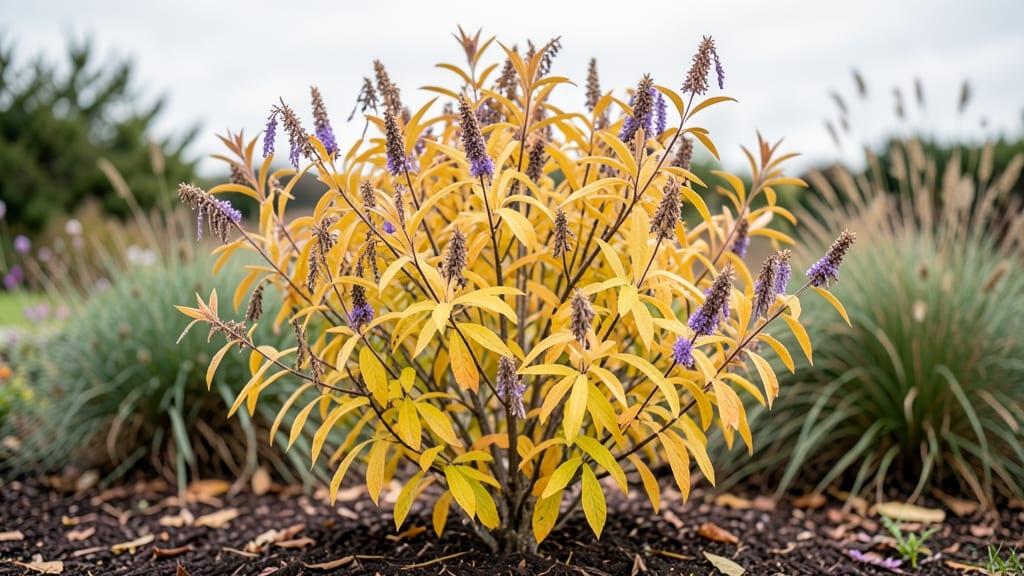
Your butterfly bush won’t just survive fall—it’ll put on a second show of deep purple blooms before winter. 🌿 The secret lies in timing: prune after the first frost, but before hard freezes hit, and you’ll encourage fresh growth while protecting the plant’s core.
I’ve watched mine burst into color again in late October after proper prep, proving fall isn’t the end of the season for butterfly bushes.
Start with sharp pruners and a clear plan: cut back one-third of the oldest stems to the ground, removing any dead or diseased branches first. This opens airflow, reducing winter rot risks while keeping the plant compact.
The key is working before 20°F nights arrive—any later, and you risk damaging next year’s buds hiding in the stems.
What you’ll end up with is a bush that stays lush and healthy through winter, ready to rebound in spring. The foliage takes on warm bronze tones, adding autumn interest, while the late blooms feed migrating butterflies.
Even in colder zones, proper prep means your butterfly bush becomes a four-season star.
For gardeners in Zone 5 and colder, consider wrapping young plants in burlap after pruning. Mulch the base with 3-4 inches of shredded leaves to insulate roots—this simple step can mean the difference between a dead bush and one that greets spring with vigor.
The payoff? A plant that thrives because of winter, not despite it.
📚 In This Guide
- What you need
- Instructions
- Tips and common mistakes
- Wrapping up and next steps
What you need
- ● Pruning shears or loppers – Bypass-style (for clean cuts), sharp and sterilized (to prevent disease). Recommended size: 6-8" blades for thick stems.
- ● Garden gloves – Heavy-duty, cut-resistant (e.g., leather or reinforced nylon) to protect hands from thorns and sap.
- ● Disinfectant (70% isopropyl alcohol or bleach solution) – 1 part bleach to 9 parts water to clean tools between cuts.
- ● Compost or mulch – 2-3 inches of organic matter (e.g., shredded leaves, wood chips) to insulate roots.
- ● Watering can or hose with adjustable nozzle – For deep watering after pruning (aim for 1-1.5 gallons per bush).
- ● Frost cloth or burlap – Lightweight, breathable (if your region dips below 20°F).
- ● Hand pruners – For smaller stems (4-6" blades) if your bush is young or delicate.
- ● Pruning saw – For thick, woody stems (if your butterfly bush is mature).
- ● Slow-release fertilizer – Balanced 10-10-10 or shrub-specific formula (apply after pruning in early fall).
- ● String or twine – To loosely tie up frost cloth if winds are strong.
- ● Soil moisture meter – To check root-zone hydration before watering (overwatering in fall can harm roots!).
Step-by-Step guide to preparing butterfly bush for fall
Fall is the perfect time to refresh your butterfly bush for next year's vibrant blooms.
🌿 Step 1: Prune to Encourage New Growth
Start by removing about one-third of the oldest stems—these are usually the thickest, woody branches. I like to cut them back to just above a set of buds or lateral branches. This opens up the center of the bush, allowing better airflow and sunlight penetration, which prevents fungal diseases from taking hold during cooler months.
Next, trim back any dead, diseased, or crossing branches. Use clean, sharp pruners to make 45-degree cuts just above a leaf node. Avoid leaving stubs—this helps prevent rot and encourages stronger regrowth. You'll know you're doing it right when the bush looks more open and airy, with a balanced shape.
☀️ Step 2: Provide Proper Light and Protection
Butterfly bushes thrive in full sun, but in fall, they need a little extra care as temperatures drop. If your bush is in a spot that gets frost or early freezes, consider moving it to a sheltered area like near a south-facing wall or under a lightweight frost cloth on particularly chilly nights. This protects the foliage without smothering the plant.
If you can't move the bush, focus on mulching the base with 2-3 inches of organic mulch (like shredded leaves or wood chips). This insulates the roots from temperature swings and retains moisture. Avoid piling mulch directly against the stems—keep it 2-3 inches away to prevent rot.
💧 Step 3: Adjust Watering for Fall Conditions
As temperatures cool, your butterfly bush will need less frequent watering. Water deeply once a week if rainfall is light, but check the soil first—stick your finger 2 inches deep. If it feels dry, it’s time to water. Overwatering in fall can lead to root rot, especially if the soil doesn’t drain well.
I like to water in the early morning so the foliage has time to dry before evening. This reduces the risk of fungal issues. If your bush is in a container, water more frequently—potted plants dry out faster, even in cooler weather.
✂️ Step 4: Fertilize Lightly for Winter Prep
Apply a balanced, slow-release fertilizer (like a 10-10-10 formula) in early fall, around 6-8 weeks before your first frost. This gives the roots a gentle boost without encouraging late-season growth that could be damaged by cold. Follow the package instructions for application rates—too much fertilizer now can stress the plant.
If your soil is rich, you might skip this step entirely. Instead, focus on adding compost around the base of the bush. This improves soil structure and provides nutrients naturally. Avoid fresh manure or high-nitrogen fertilizers—they can burn roots in cooler weather.
🪴 Step 5: Monitor for Pests and Diseases
Fall is a great time to check for aphids, spider mites, or fungal spots on the leaves. Wipe down leaves with a soapy water solution (1 tablespoon mild dish soap per gallon of water) if you spot pests. For fungal issues, remove affected leaves and apply a copper fungicide if needed—this prevents spores from overwintering and reinfecting next spring.
If your butterfly bush looks healthy but you notice yellowing leaves, it might be normal fall color change. But if the leaves are spotted, curled, or dropping prematurely, it’s a sign of stress. Adjust care as needed—maybe it needs more sun, less water, or better drainage.
Tips & tricks for perfect fall butterfly bush care
Here's what nobody tells you about keeping your butterfly bush thriving as temperatures drop.
Pruning Precision: When removing those one-third oldest stems in Step 1, look for branches that are thicker than a pencil—these are your targets. The 45-degree cuts are crucial; they help water run off properly and reduce the risk of disease. I've seen people make flat cuts and end up with water pooling at the base, which leads to rot. Use a clean pruner and make each cut just above a bud that faces outward—this encourages fuller growth next spring.
Mulching Matters: The 2-3 inches of organic mulch in Step 2 isn't just about insulation—it's about creating the perfect microclimate. Spread it in a donut shape, keeping it 2-3 inches away from the stems, to prevent moisture buildup that causes rot. I've found that shredded leaves work beautifully because they break down slowly, adding nutrients to the soil over time. For extra protection in freezing climates, top with a thin layer of straw after the first frost.
Watering Wisdom: That once-a-week guideline in Step 3 can be tricky—especially if you're dealing with containers. Potted butterfly bushes dry out faster, so check the soil every 3-4 days instead. The finger test works best when you're 2 inches deep; if it feels like a dry sponge, it's time to water. I've learned the hard way that overwatering in fall leads to soggy roots and fungal issues, so when in doubt, wait another day. Morning watering is key because it gives leaves plenty of time to dry before evening dew settles in.
Fertilizer Timing: The 6-8 week window before your first frost for Step 4 is critical. If you're in a region with unpredictable weather, err on the side of earlier application—better safe than sorry. I've noticed that slow-release fertilizers work best because they provide consistent nutrition without the risk of late-season growth that could be damaged by early frosts. If you're unsure about your soil quality, a simple soil test can tell you whether you need that fertilizer boost or can skip straight to compost.
Pro Tips for Butterfly Bush In Fall
- Here's what nobody tells you about keeping your butterfly bush thriving as temperatures drop.
- Pruning Precision: When removing those one-third oldest stems in Step 1, look for branches that are thicker than a pencil—these are your targets.
- Mulching Matters: The 2-3 inches of organic mulch in Step 2 isn't just about insulation—it's about creating the perfect microclimate.
Frequently asked questions
about keeping your butterfly bush (Buddleia) vibrant in fall—plus tips to handle common challenges!Does butterfly bush lose its leaves in fall?
Yes! Most butterfly bushes are deciduous and will shed leaves in late fall or winter. However, some evergreen varieties (like Buddleia davidii ‘Lo & Behold®’) retain foliage year-round. Prune back dead stems in early spring to encourage fresh growth.
Can butterfly bush survive winter frost?
Butterfly bushes are hardy in USDA Zones 5-9, meaning they tolerate light frost. For extra protection in colder zones, mulch the base with 2-3 inches of organic material (like shredded bark) after the first frost. Avoid heavy mulch, which can suffocate roots.
Why are my butterfly bush leaves turning yellow in fall?
Yellowing leaves in fall are usually normal, but excessive yellowing or browning could signal overwatering, nutrient deficiency, or fungal issues (like powdery mildew). Check soil moisture—drainage is key! A balanced fall fertilizer (low nitrogen) can also help.
What’s a good alternative to butterfly bush for fall color?
If you want low-maintenance, fall-friendly shrubs, try:
- Oakleaf hydrangea (Hydrangea quercifolia): Vibrant red foliage + fragrant blooms.
- Smoke bush (Cotinus coggygria): Fiery pink/purple fall hues.
- Witch hazel (Hamamelis): Late-season blooms + golden leaves.
When and how should I prune butterfly bush in fall?
Light pruning in early fall (before frost) can remove dead or weak stems, but avoid heavy pruning—save it for late winter/early spring. Cut back 1/3 of the oldest stems to the ground to rejuvenate growth. Pro tip: Sterilize pruners with rubbing alcohol to prevent disease spread!
Will butterfly bush still attract butterflies in fall?
While butterfly activity slows as temperatures drop, some late-blooming varieties (like ‘Lo & Behold®’) may still produce flowers into October. Plant native fall-blooming flowers (e.g., asters or goldenrod) nearby to extend the buffet for migrating butterflies!
Wrapping up and next steps
Your butterfly bush isn’t just a summer star—it’s a fall fashionista too! With the right care, its vibrant foliage can stun even as temperatures dip. From pruning for next year’s blooms to embracing its natural beauty, you’ve got all the tools to keep it thriving. 🌿✨
Ready to make your garden a year-round showstopper? Grab those pruners and get planting—your butterfly bush (and pollinators!) will thank you. Need more tips? Dive into our seasonal shrub care guide next!