
Pruning
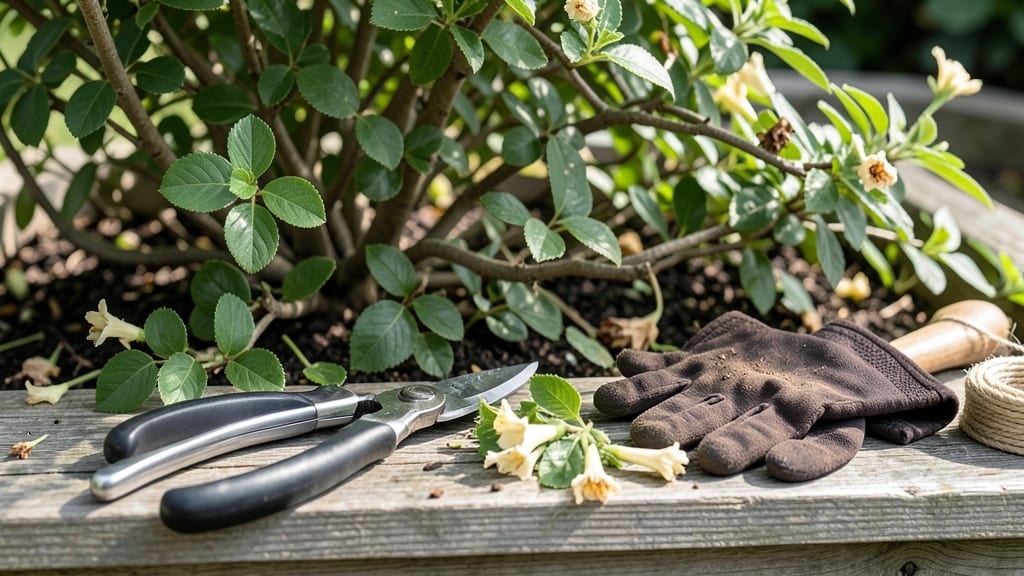
Cutting back a honeysuckle bush properly means pruning in late winter or early spring before new shoots appear, never removing more than one-third of the plant at once to prevent shock. Always cut just above a leaf node or bud with sanitized shears for clean, healthy regrowth.
Honeysuckle thrives when pruned during its dormant season, as this minimizes stress and allows energy to focus on new growth. 🌿 The key is patience—aggressive cuts should be spread over 2-3 years to avoid overwhelming the plant.
I've seen honeysuckle bushes bounce back beautifully when given time to recover, especially with proper aftercare like balanced fertilizer and consistent moisture. This approach keeps your bush lush while preventing root damage from over-pruning.
For overgrown bushes, start by removing dead or crossing branches first, then shape gradually. Always use sharp tools to make clean cuts—ragged edges invite disease. A little care now means vibrant blooms and stronger stems later.
💡 In This Article
- Best Pruning Timing and Techniques for Honeysuckle Bushes
- How to Revitalize an Overgrown Honeysuckle Bush Safely
Best pruning timing and techniques for honeysuckle bushes
Honeysuckle bushes enter dormancy in late winter or early spring, making this the ideal window for pruning because the plant isn't actively growing. This timing reduces stress since the bush isn't expending energy on new shoots while you're cutting.
Think of it like giving your bush a clean slate—just as you wouldn't trim a lawn during a heatwave, you avoid pruning when the plant is most vulnerable.
The dormant season also allows you to see the bush's structure clearly, making it easier to spot dead or crossing branches that need removal.
When cutting, always aim for a 45-degree angle just above a leaf node or bud, which is where new growth emerges. This technique ensures the plant knows exactly where to regenerate. Use sharp, sanitized shears to make clean cuts—dull tools crush stems and create entry points for disease.
For shaping, remove no more than one-third of the plant in a single session to avoid shocking the roots. For example, if your bush is 6 feet tall, limit cuts to 2 feet per year. 🌿
Deadheading (removing spent flowers) throughout the growing season encourages more blooms, but focus on pruning structure in late winter.
If your bush is leggy, you can perform a rejuvenation cut by removing up to one-third of the oldest stems at the base, but only do this every 2-3 years to prevent stress. The goal is to stimulate new growth from the base while maintaining the bush's natural shape.
Think of it like giving your bush a haircut—you want to shape it, not shave it bald.
Honeysuckle responds well to gradual pruning because it's a fast-growing shrub with a robust root system. However, over-pruning can lead to sparse foliage or even dieback, especially in younger bushes. For instance, a 3-year-old honeysuckle should never have more than one-third of its branches removed in a single year.
Always step back and assess the bush's overall health before making cuts—this helps you avoid the temptation to over-prune.
Another key technique is thinning out crowded branches to improve airflow, which reduces the risk of fungal diseases like powdery mildew. Look for branches that cross or rub against each other—these are prime candidates for removal.
By focusing on these structural issues first, you create a stronger framework for new growth. For example, if two branches are growing in the same direction, remove the weaker one to avoid competition for sunlight and nutrients. 🌿
Finally, always sanitize your tools between cuts with rubbing alcohol or a bleach solution (1 part bleach to 10 parts water) to prevent spreading disease. Honeysuckle is generally hardy, but even minor infections can weaken the plant over time.
After pruning, apply a balanced fertilizer (like 10-10-10) to replenish nutrients lost during the process. This helps the bush recover faster and encourages vigorous new growth in the coming season.