
Pruning
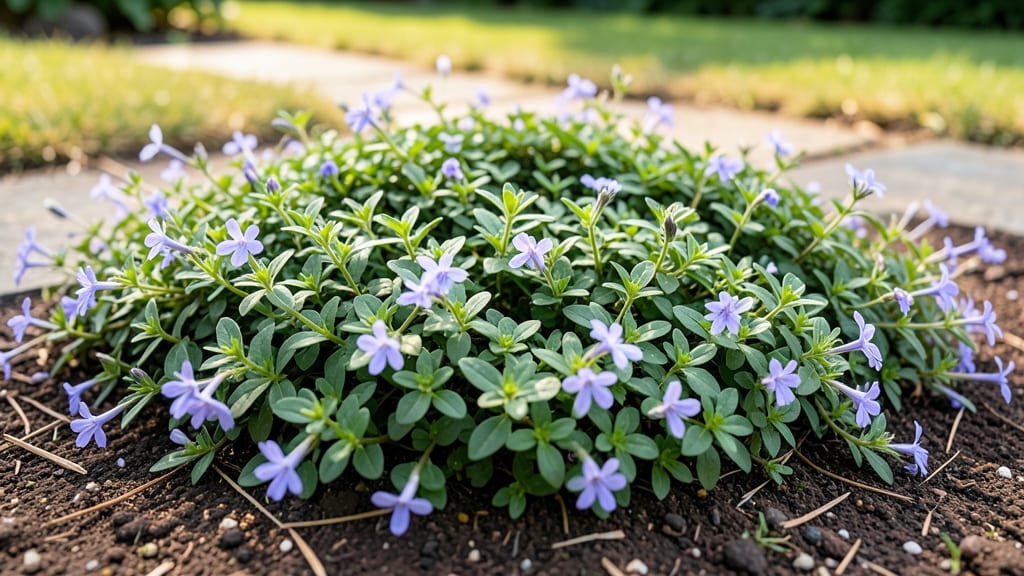
Pruning the creeping myrtle bush transforms it from a wild tangle into a showstopping landscape feature. 🌿 I’ve spent years refining my approach—what works is simple once you know the right cuts and timing.
The key? Pruning in late winter or early spring before new growth appears, but also light shaping after blooms fade to keep it dense and tidy.
This plant thrives in full sun with minimal fuss, and its drought tolerance makes it a favorite for low-water gardens. Varieties like ‘Creeping Red’ stay compact, perfect for hedges or ground cover, while others sprawl beautifully along fences or slopes.
The secret to long-lasting blooms lies in strategic pruning—never cutting back more than a third at once, and always shaping to encourage airflow.
By summer’s end, you’ll have a lush, flower-covered bush that stays vibrant all season. The blooms attract pollinators, and the foliage turns stunning shades of red or purple in fall. Even propagation is easy—just take softwood cuttings in late spring and root them in moist soil.
Whether you’re shaping a hedge or letting it spill over a bank, creeping myrtle delivers effortless beauty with almost no maintenance. Here’s how to keep it looking its best year-round.
📚 In This Guide
- What you need
- Instructions
- Tips and common mistakes
- Wrapping up and next steps
What you need
- ● Pruning shears – Bypass pruners (sharp, 6-8" blades) for clean cuts on small stems.
- ● Loppers – Bypass or anvil type (8-10" blades) for thicker branches (½" to 1.5" diameter).
- ● Pruning saw – Hand saw with fine teeth for stubborn, woody stems (1.5"+ diameter).
- ● Gloves – Heavy-duty, cut-resistant to protect from thorns and sharp edges.
- ○ Disinfectant – 70% isopropyl alcohol or pruning sealant (optional but recommended to prevent disease).
- ● Trash bags or bucket – For collecting pruned debris (5+ gallon capacity).
- ● Ladder or step stool – If your bush is taller than 6 feet (ensure it’s stable!).
- ● Hand pruners with a ratchet mechanism – For easier cutting on larger branches.
- ● Pole pruners – If your bush is over 8 feet tall and hard to reach.
- ● Garden kneeler or pad – For comfort if you’re working close to the ground.
- ● String or measuring tape – To mark desired pruning lines for symmetry.
- ● Safety goggles – If debris might fly (especially in windy conditions).
How to prune creeping myrtle for full, flowering growth
Here's my go-to method for keeping creeping myrtle lush and blooming—no guesswork, just results.
✂️ Step 1: Prune After the First Hard Frost
Wait until the first hard frost of winter—when the leaves have browned and fallen naturally. This timing ensures you're not cutting back new growth that could bloom the following year. Grab your pruning shears and gloves, then start by removing any dead, diseased, or crossing branches first. These are easy to spot—they'll be bare, shriveled, or growing into the center of the plant.
I like to make clean cuts just above a leaf node or outward-facing bud. This encourages new growth to fill out the plant's shape. Never leave stubs—always cut back to the branch collar where it meets the main stem. You'll know you're doing it right when the cuts look smooth and the plant's natural structure starts to show.
✂️ Step 2: Thin Out Overcrowded Areas
Next, focus on thinning the plant's interior to improve airflow and sunlight penetration. Look for branches that are growing inward or rubbing against each other—these are the ones to remove entirely. Start at the base and work your way up, cutting back to a strong outward-facing branch or the main stem if needed.
Real talk: Don't remove more than one-third of the plant's total growth in a single pruning session. Creeping myrtle is tough, but even it has limits. You'll see the difference immediately—more light reaches the center, and the plant's natural shape becomes clearer. This step is what keeps those long-lasting blooms coming year after year.
✂️ Step 3: Shape and Maintain Year-Round
After the initial winter prune, you can do light shaping throughout the growing season. Pinch back new growth to encourage bushier growth, especially if your myrtle is getting leggy. I like to do this in early spring before new shoots appear, giving the plant a head start on filling out.
For formal shapes, use hand pruners to trim just above a leaf node, always cutting at a 45-degree angle to encourage water runoff. Avoid heavy pruning in late summer—this can stimulate tender new growth that won't survive winter. Instead, focus on removing spent flowers and any straggly branches that disrupt the plant's form.
✂️ Step 4: Clean Up and Protect for Winter
Once you've finished pruning, clean up all the clippings and dispose of them properly. Don't leave them on the ground—they can harbor pests and diseases. I like to use a heavy-duty trash bag and tie it off tightly to keep everything contained.
After pruning, give your creeping myrtle a light application of mulch around the base to protect its roots. Keep the mulch 2-3 inches thick and spread it out to the plant's drip line. This helps retain moisture and regulate soil temperature, which is especially important during those first few frosts. You'll see healthier growth come spring if you do this right.
🌿 Step 5: Monitor and Adjust
Keep an eye on your creeping myrtle throughout the year. If you notice any branches growing too aggressively in one direction, trim them back early to maintain balance. The goal is to create a plant that looks natural but still has that polished, intentional shape.
Here's the thing—creeping myrtle is forgiving, but it does respond best to consistent care. If you see any signs of stress like yellowing leaves or sparse blooms, it might be time to adjust your pruning approach. I've found that a little maintenance goes a long way in keeping these plants thriving for decades.
Tips & tricks for perfect creeping myrtle pruning
These simple tricks will help you keep your creeping myrtle looking its best without stressing the plant.
Timing is Everything: The first hard frost is your cue to prune, but don't rush it! If you prune too early, you risk cutting back buds that would have bloomed the following year. I always wait until the leaves have completely browned and fallen naturally—this usually happens in late fall or early winter. If you're unsure, check your local frost dates or ask your local nursery for guidance. This timing ensures you're only removing dead growth and won't accidentally prune away next year's flowers.
The One-Third Rule: In Step 2, when thinning out overcrowded areas, remember this golden rule: never remove more than one-third of the plant's total growth in a single session. I've seen people over-prune and end up with a sad, sparse myrtle that takes years to recover. If you're unsure, take photos before you start—you can always remove more later if needed, but you can't put back what you've cut. Think of it like giving your plant a haircut: you want to shape it, not shave it bald!
Angle Matters: When shaping in Step 3, always cut at a 45-degree angle just above a leaf node. This isn't just about looks—it's about directing water away from the cut to prevent rot. I use my pruners to make a clean slice that looks like a tiny roof, with the top of the cut facing outward. This small detail makes a big difference in how quickly your myrtle recovers and grows back fuller. For thicker branches, I use loppers to make the same angled cut—just be sure to sterilize your tools between cuts to prevent spreading disease.
Mulch Like a Pro: After pruning, that 2-3 inch layer of mulch isn't just decoration—it's protection. I use shredded hardwood mulch because it breaks down slowly and improves soil quality over time. Spread it out to the plant's drip line (that's the edge of the plant's canopy when it's fully grown) to protect the roots from temperature swings. Pro tip: Pull back any mulch that touches the plant's trunk to prevent moisture buildup that can cause rot. This simple step keeps your myrtle's roots happy all winter long.
Pro Tips for Creeping Myrtle Bush
- These simple tricks will help you keep your creeping myrtle looking its best without stressing the plant.
- Timing is Everything: The first hard frost is your cue to prune, but don't rush it!
- The One-Third Rule: In Step 2, when thinning out overcrowded areas, remember this golden rule: never remove more than one-third of the plant's total growth in a single session.
Frequently asked questions
about pruning your creeping myrtle bush—because every gardener deserves a little clarity!When is the best time to prune creeping myrtle for maximum blooms?
Prune your creeping myrtle twice a year: late winter/early spring (before buds swell) to shape and remove dead wood, and right after flowering (late summer) to encourage next year’s blooms. Avoid heavy pruning in fall—it can stress the plant before winter. Pro tip: Light trims in early spring also help maintain that lush, tidy look!
How aggressively can I prune creeping myrtle without harming it?
Creeping myrtle is tough as nails—you can safely remove up to one-third of its growth per year without damage. For dramatic shaping (like a hedge), prune 10-15% of new growth annually. Warning: Over-pruning in one season may reduce flowering, but the plant bounces back! For severe overgrowth, spread cuts over 2-3 years.
Why does my creeping myrtle stop blooming after pruning?
Bloom loss usually means pruning at the wrong time (e.g., cutting back after flowers appear) or over-pruning the current season’s growth. Fix it: Prune after blooms fade (late summer) and avoid heavy cuts in fall/winter. Feed with low-nitrogen fertilizer in early spring to boost flower production.
Are there alternatives to creeping myrtle for low-maintenance ground cover?
If creeping myrtle’s sprawling habit or pruning demands don’t suit your garden, try these low-maintenance swaps:
- Dwarf Yaupon Holly – Evergreen, drought-tolerant, and thrives in pruned hedges.
- Liriope (Monkey Grass) – Grass-like, cold-hardy, and needs minimal trimming.
- Dwarf Boxwood – Compact, great for borders, but needs occasional shaping.
- Russian Sage – Perennial with zero pruning needs and stunning purple blooms.
How do I prevent creeping myrtle from becoming a pest in my yard?
Creeping myrtle spreads via underground runners, so contain it early:
- Plant in containers or raised beds if space is tight.
- Install a buried root barrier (2-3 ft deep) to block underground growth.
- Prune aggressively in spring to discourage lateral spread.
- Monitor and dig up stray shoots before they root.
Wrapping up and next steps
Mastering creeping myrtle bush pruning is your ticket to year-round beauty and vibrant blooms! 🌿 With the right tools, timing, and techniques, you’ll keep this hardy shrub thriving while shaping it to perfection.
Whether you’re trimming for aesthetics, health, or growth control, consistency is key—so grab those shears and get ready to enjoy a lush, long-lasting landscape centerpiece.
Ready to take the next step? Bookmark this guide and start small—prune one section at a time, observe the results, and refine your approach. Before you know it, your creeping myrtle will be the talk of the neighborhood! 🌸