
Pruning
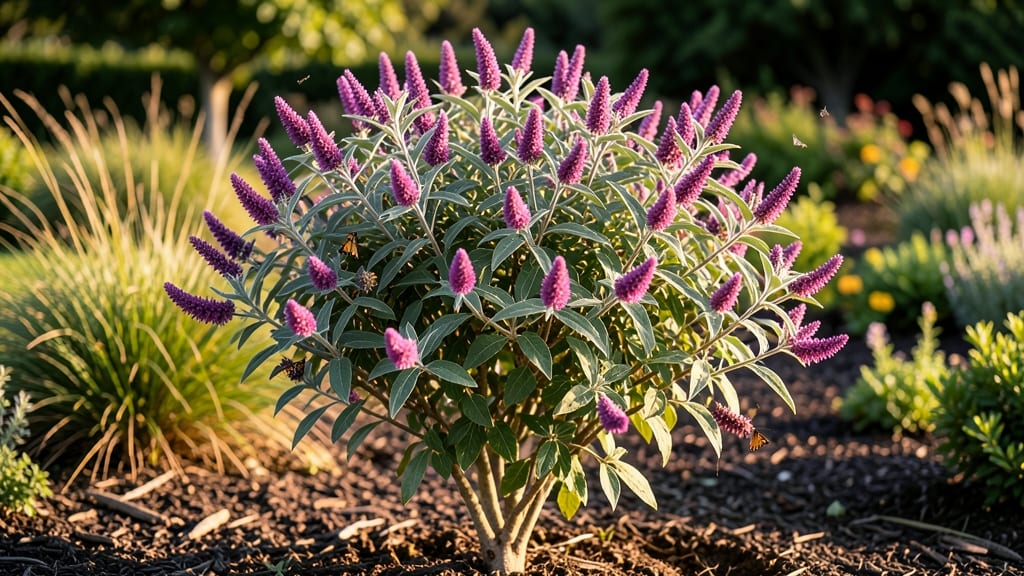
Caring for a buddleia bush means unlocking a pollinator paradise in your yard. 🌿 I've learned the hard way that skipping pruning turns this butterfly magnet into a messy, overgrown eyesore—until I discovered the year-round technique that keeps it lush and productive.
The key is timing: prune late winter before new growth starts, then do light cleanups in summer to encourage fresh blooms. My buddleia now attracts hummingbirds and butterflies from May through October, with flowers that last longer than any other shrub in my garden.
You'll end up with a neat, compact bush that blooms prolifically instead of sprawling uncontrollably. The secret is cutting back one-third of the oldest stems each year, which forces new growth that flowers better. Works for all buddleia varieties, from the classic 'White Profusion' to dwarf types.
Let's get those shears ready!
📚 In This Guide
- What you need
- Instructions
- Tips and common mistakes
- Wrapping up and next steps
What you need
- ○ Pruning shears: Bypass pruners (sharp, clean, and 5-7 inch blades for precision cuts). Optional: Small felco pruners for thicker stems.
- ● Gloves: Heavy-duty gardening gloves (nitrile-coated for grip and protection from thorns).
- ● Disinfectant: 70% isopropyl alcohol or bleach solution (1 part bleach to 9 parts water) to sterilize tools between cuts.
- ● Pruning saw: Curved or folding pruning saw (for stems thicker than ½ inch).
- ● Garden twine or ties: 10-15 feet of jute or plastic-coated twine (to secure heavy branches if needed).
- ● Compost or mulch: 2-3 cubic feet of organic compost or mulch (for post-pruning soil nourishment).
- ● Watering can or hose: With a soft spray nozzle for gentle hydration after pruning.
- ● Hand pruners: For detailed trimming of smaller branches.
- ● Loppers: 20-24 inch for medium-sized branches (½ to 1½ inches thick).
- ● Plant food: Balanced, slow-release fertilizer (e.g., 10-10-10 NPK ratio) to boost growth after pruning.
- ● Bird netting: Lightweight mesh (to protect new growth from hungry birds if needed).
- ● Wheelbarrow or bucket: For collecting clippings and debris.
Step-by-Step pruning guide for buddleia bushes
Here’s how to keep your butterfly bush thriving year-round with precision pruning.
✂️ Step 1: Prune in Late Winter Before New Growth
Cut back the previous year’s growth by ⅔ using clean, sharp pruners—this ensures vigorous new shoots emerge from the base. Start in late winter (February-March) when the plant is still dormant but before buds swell. I always make cuts just above a leaf node or outward-facing bud to encourage bushier growth.
Remove any dead, diseased, or crossing branches first—they’ll compete for nutrients. If your plant looks leggy, cut back even more aggressively. You’ll see fresh green buds forming within 2-3 weeks of pruning, signaling new growth.
☀️ Step 2: Lightly Trim After Flowering
Once your buddleia finishes blooming (usually late summer), give it a light trim to shape the plant and encourage a second flush of flowers. Cut back only the spent flower spikes—never more than 10% of the plant’s height. This prevents over-pruning, which weakens the bush for winter.
I avoid heavy cuts this late in the season because the plant needs energy to harden off for winter. Instead, focus on removing only the dead blooms and any branches growing inward. You’ll notice fewer spent stems by next spring, and the plant will look fuller.
✂️ Step 3: Prune for Winter Hardiness
In late fall (October-November), do a final light pruning to remove any weak or damaged growth. Cut back any suckers (shoots growing from the base) to redirect energy to the main structure. Avoid heavy pruning now—buddleia needs its foliage to protect buds from frost.
I also sanitize pruners with rubbing alcohol between cuts to prevent fungal spread. If your plant is in a cold climate (below Zone 5), wrap the base with burlap for extra protection. By spring, you’ll see strong, healthy growth ready for another blooming season.
⏰ Step 4: Monitor and Adjust Year-Round
Check your buddleia monthly for new shoots or overgrowth. If you notice suckers popping up at the base, trim them back immediately—they drain energy from the main plant. I also water deeply once a week during dry spells to support recovery after pruning.
If your plant looks too dense, thin out 10-15% of the oldest stems in early spring. Buddleia responds well to regular maintenance, and you’ll reward yourself with longer blooming seasons and healthier foliage. Just remember: less is more—avoid over-pruning, or you’ll sacrifice next year’s flowers.
Tips & tricks for perfect buddleia bush care
Took me years of trial and error to master these buddleia pruning secrets—here's what nobody tells you about keeping your butterfly bush thriving.
Timing is Everything: The late winter pruning (February-March) is your golden window—cut too early and you risk frost damage to fresh growth, too late and you delay the spring bloom. I've learned to check for bud swell first: if you see tiny green buds forming, it's time to prune. This ensures you're cutting just before the plant wakes up for the season.
The ⅔ Rule Explained: When cutting back by two-thirds in Step 1, focus on removing the oldest, largest stems first. These are the ones that have already bloomed and are now just taking up space. The remaining one-third will give you that perfect balance of structure and new growth. I always start with the thickest stems—this creates instant airflow through the center, preventing fungal issues.
Pruning Tool Intelligence: Your pruners aren't just cutting tools—they're your plant's health inspectors. Always sanitize between cuts with rubbing alcohol (especially in Step 3), and keep them sharp. Dull blades crush stems instead of cutting cleanly, which creates entry points for disease. I keep a small bottle of alcohol in my garden shed specifically for this purpose—it's changed how I approach every pruning session.
Seasonal Pruning Psychology: Think of each season's pruning as a conversation with your plant. Late winter is about bold statements (cutting back hard), late summer is about gentle shaping (just the dead blooms), and fall is about preparation (light maintenance). This seasonal rhythm keeps your buddleia from feeling stressed—it knows exactly what to expect each time you pick up your pruners.
Pro Tips for Buddleia Bush Care
- Took me years of trial and error to master these buddleia pruning secrets—here's what nobody tells you about keeping your butterfly bush thriving.
- Timing is Everything: The late winter pruning (February-March) is your golden window—cut too early and you risk frost damage to fresh growth, too late and you delay the spring bloom.
- The ⅔ Rule Explained: When cutting back by two-thirds in Step 1, focus on removing the oldest, largest stems first.
Frequently asked questions
Got questions about keeping your buddleia bush thriving?
Here are answers to the most common ones—from pruning basics to troubleshooting—so you can enjoy a blooming, pollinator-friendly plant all year!
When is the best time to prune buddleia bushes?
Prune your buddleia late winter or early spring (before new growth starts) to remove dead wood and shape the plant. For Buddleia davidii, cut back hard to just above strong buds—this encourages dense, bushy growth. Buddleia alternifolia (summer bloomer) needs lighter pruning in early spring and again after flowering. Never prune in fall—it can damage tender new shoots!
How much should I cut back buddleia?
For Buddleia davidii, aim to reduce the plant by 1/3 to 1/2 each year. Cut back to 4–6 inches above the ground for mature bushes, focusing on removing old, woody stems. Buddleia alternifolia only needs a light trim—just enough to shape it and remove dead branches. Pro tip: Use clean, sharp shears to avoid jagged cuts that invite disease!
Will pruning buddleia affect its pollinator benefits?
Not at all! Pruning actually boosts pollinator appeal by promoting healthier, denser foliage and more flowers. Butterflies and bees love fresh growth—just ensure you leave some last year’s stems (especially on alternifolia) for overwintering insects. Bonus: Pruned bushes flower earlier and more abundantly!
What if my buddleia isn’t blooming after pruning?
Check these fixes:
- Light needs: Buddleia thrives in full sun (6+ hours/day). Move it if shaded.
- Soil/nutrients: Poor soil or over-fertilizing (especially with nitrogen) can reduce blooms. Use a balanced fertilizer in spring.
- Pruning timing: If pruned too late, new growth may not flower that season. Stick to early spring!
- Variety matters: Some buddleias (like alternifolia) bloom on old wood—prune lightly to avoid cutting off next year’s flowers.
Are there buddleia alternatives for smaller gardens?
If buddleia’s rapid growth or invasive tendencies are concerns, try these pollinator-friendly alternatives:
Plant
Height
Bloom Time
Notes
Butterfly Bush (Buddleia alternifolia)
4–6 ft
Summer–fall
Slower-growing, non-invasive, great for containers!
Russian Sage (Perovskia atriplicifolia)
3–5 ft
Summer–fall
Drought-tolerant, silvery foliage, attracts bees.
Coneflower (Echinacea)
2–4 ft
Summer–fall
Low-maintenance, perennial, great for cutting.
Wrapping up and next steps
Caring for your buddleia bush is a rewarding journey that not only enhances your garden’s beauty but also supports vital pollinators like butterflies and bees! 🐝 With the right year-round pruning techniques—from late winter cuts to summer shaping—you’ll keep your plant thriving, healthy, and full of life.
Remember, consistency is key, and a little effort now means stunning blooms and strong growth for seasons to come.
Ready to transform your garden? Grab your pruners, roll up your sleeves, and give your buddleia the love it deserves. Start small, observe changes, and enjoy the process! Happy pruning! 🌿✂️