
Pruning
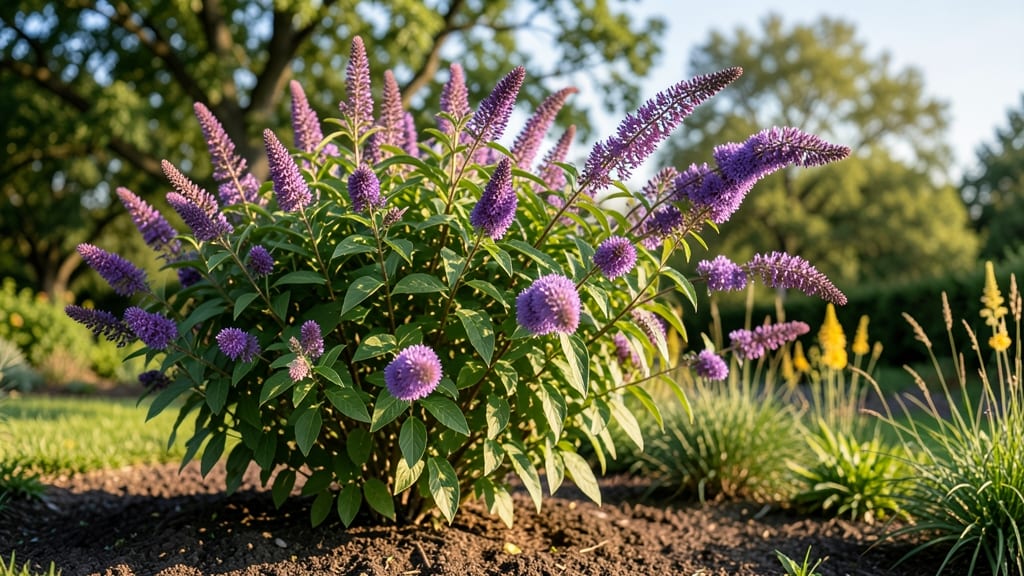
A butterfly bush thrives in full sun 🦋 and turns your garden into a buzzing pollinator paradise—if you know the secrets to keeping it blooming year-round.
Picture this: your butterfly bush wilting by midday, despite your best efforts. You’re not alone—many gardeners struggle to keep this sun-loving shrub happy in hot, dry climates. The key isn’t just planting it in the sun; it’s about understanding how to feed, prune, and protect it from the elements.
In this guide, I’ll share the exact techniques I’ve used to keep my butterfly bush lush and flowering from spring to fall—even in full, blazing sun. We’ll cover soil prep, watering schedules, and pruning tricks that most guides leave out.
By the end, you’ll have a butterfly bush that’s not just surviving the sun but thriving, attracting butterflies and bees like a magnet. Ready to transform your garden?

How sunlight affects butterfly bush growth and blooming patterns
If you’ve ever watched your butterfly bush (Buddleja davidii) struggle to bloom despite full sun exposure, you’re not alone. These vibrant shrubs thrive under the right sunlight conditions, but too much or too little can drastically alter their growth patterns and flowering cycles.
Understanding how sunlight intensity and duration impact your butterfly bush is the key to unlocking year-round blooms and lush foliage.
The secret to a thriving butterfly bush lies in balancing sunlight exposure with heat tolerance. While these plants are sun-lovers, they can suffer from leaf scorch or stunted growth if exposed to excessive midday heat without proper care.
Let’s break down the science behind their sunlight needs and how to optimize blooming patterns in your garden.
Sunlight is the primary driver of photosynthesis in butterfly bushes, directly influencing their ability to produce energy for growth and flowering. In full sun conditions (6+ hours of direct sunlight daily), these shrubs enter a hyper-growth phase, producing more buds and blooms. However, the quality of sunlight—especially in hot climates—can make or break their success.
Here’s how different sunlight conditions affect your butterfly bush:
| Sunlight Condition | Bloom Impact | Growth Impact | Heat Tolerance |
|---|---|---|---|
| Full Sun (6+ hours) | Maximized blooms, longer season | Rapid growth, bushier structure | Moderate; needs afternoon shade in extreme heat |
| Partial Sun (3-6 hours) | Reduced blooms, shorter season | Slower growth, leggy stems | High; ideal for hot climates |
| Partial Shade (2-3 hours) | Minimal blooms, sporadic flowering | Stunted growth, weak stems | Very high; best for indoor containers |
| Excessive Sun (8+ hours) | Blooms may scorch or drop early | Leaf burn, reduced vigor | Low; requires afternoon protection |
The science behind butterfly bush blooming lies in their response to daylight hours. These shrubs are photoperiod-sensitive, meaning they bloom in response to changes in daylight length.
In full sun, they receive the ideal balance of light and warmth, triggering continuous flowering from early summer through fall—and sometimes into winter in mild climates.
For gardeners in hot, dry regions, the challenge isn’t just providing enough sunlight but protecting the plant from midday heat stress. If your butterfly bush is wilting or developing brown leaf edges, it’s likely suffering from excessive sun exposure.
To mitigate this, consider planting it where it receives morning sun and afternoon shade, or use a light shade cloth during peak heat hours.
Seasonal adjustments are crucial for maintaining blooms year-round. In spring and fall, when temperatures are moderate, your butterfly bush can handle full sun exposure without issues. However, during summer’s peak heat, even sun-loving varieties may need a break.
I’ve found that mulching around the base with organic mulch helps retain moisture and regulate soil temperature, reducing stress on the plant.
One common misconception is that butterfly bushes will thrive in any sunny spot. While they love sunlight, their root zone temperature plays a critical role. Overheated roots can lead to poor nutrient uptake and reduced blooming.
To prevent this, I recommend planting in well-draining soil enriched with compost and avoiding compacted or rocky areas that trap heat.
If you’re aiming for year-round blooming, focus on creating an environment where your butterfly bush receives consistent sunlight while managing heat stress. Prune spent blooms regularly to encourage new growth, and fertilize lightly in spring and summer to support continuous flowering.
With the right balance, your butterfly bush can become a pollinator magnet that blooms from spring to frost.
For those in USDA Zones 6-9, where butterfly bushes are most commonly grown, the key is adapting to local climate conditions. In Zone 9 and above, afternoon shade becomes essential during summer months, while Zone 6 gardeners can often leave their bushes in full sun year-round.
Experiment with placement to find the sweet spot for your specific variety.
Remember, every butterfly bush is unique. Pay attention to how yours responds to sunlight and adjust accordingly. With the right care, your sun-loving shrub will reward you with vibrant blooms that attract butterflies, bees, and hummingbirds all season long. 🦋☀️
Pruning and care techniques for sun-exposed butterfly bushes
Sun-exposed butterfly bushes (Buddleja davidii) thrive when given the right care, especially when it comes to pruning and seasonal maintenance. The intense sunlight can actually boost blooming if you follow the right techniques.
I’ve learned that timing and method are everything—cut too late or too early, and you’ll miss out on those vibrant summer blooms.
Start by understanding that butterfly bushes bloom on new wood, meaning they produce flowers on the current year’s growth. This makes late winter or early spring pruning your best friend for encouraging full, bushy growth.
I’ve seen gardeners make the mistake of pruning in fall, which can leave the plant vulnerable to winter damage and reduce next year’s blooms.
⚠️ callout warning
- Pruning too late – Cutting back after June 15th removes potential blooms for the season.
- Over-pruning – Removing more than 1/3 of the plant at once stresses the bush in hot sun.
- Ignoring dead wood – Leaving diseased or dead branches invites pests and blocks sunlight.
- Using dull tools – Ragged cuts slow healing and invite infections in sun-exposed conditions.
For a step-by-step pruning guide, begin by removing any dead or diseased branches first—these are easy to spot as they’re brown and brittle. Next, cut back last year’s growth by about 1/3 to encourage new, vigorous growth.
I like to make my cuts just above a leaf node or bud to promote branching. Use sharp, clean pruners to avoid tearing the bark.
Butterfly bushes in full sun also need regular feeding to keep up with their growth demands. I recommend applying a balanced fertilizer (10-10-10) in early spring and again in mid-summer.
For extra blooms, add a low-phosphorus fertilizer in late summer to encourage flower production. Always water deeply after fertilizing to help nutrients reach the roots.
Don’t forget about mulching—a 2-3 inch layer of organic mulch helps retain moisture and keeps roots cool in intense sun. I’ve noticed that mulched bushes recover faster from pruning and handle drought better. Just be sure to keep the mulch 2-3 inches away from the trunk to prevent rot.
If your butterfly bush looks stressed—yellowing leaves, sparse blooms, or wilting—it might need a revival. Start by giving it a deep watering and trimming back any overly leggy growth. A light application of compost or worm castings can also give it a nutrient boost.
With proper care, even a struggling bush can bounce back and put on a spectacular show by summer.