
Pruning
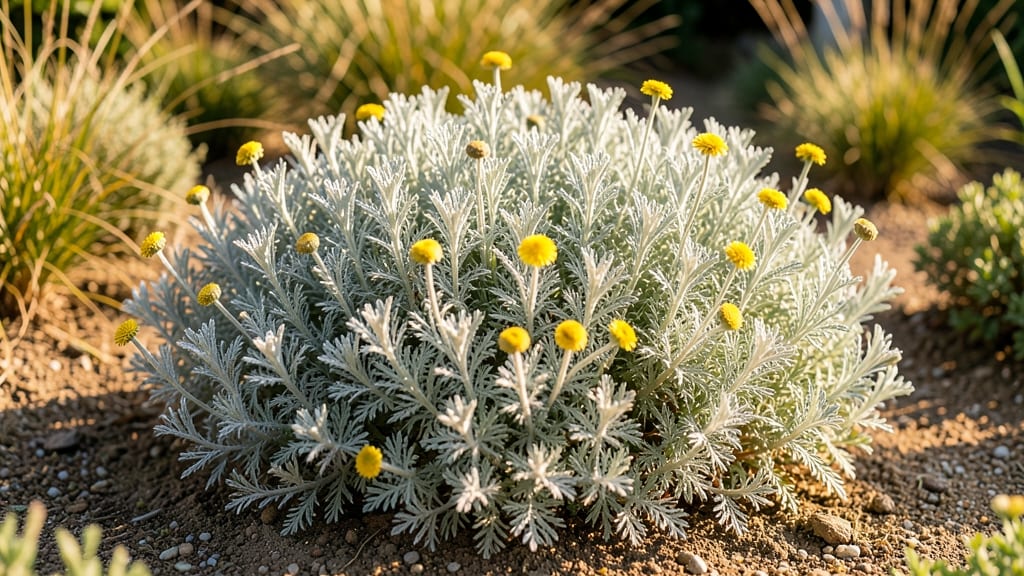
Your garden’s new silver-foliaged showstopper thrives with just a little attention. 🌿 The cotton ball bush (Santolina chamaecyparissus) delivers year-round texture and tiny yellow pom-poms—if you prune it right.
I’ve learned the hard way that skipping this step turns it into a scraggly mess, but the secret is simple: shape it twice a year without cutting into the woody stems.
This drought-loving Mediterranean shrub asks for almost nothing except full sun and well-draining soil. Plant it in spring or fall, give it space to breathe (3–4 feet wide), and water it deeply but rarely—once a week in summer, less in winter.
The silvery-blue leaves alone make it a standout, but those fragrant yellow blooms in summer are the real reward.
Pruning keeps it compact and bushy. In early spring, trim back about a third of the previous year’s growth to encourage fresh, vibrant foliage. Then in late summer, give it a light tidy-up to maintain its shape.
The key? Never cut into old wood—just shape the new growth. You’ll end up with a neat, rounded bush that looks as good in winter as it does in bloom season.
Watch for spider mites in hot, dry weather—they love this plant as much as you do. A quick spray with water usually does the trick. Once established, it’s basically maintenance-free, making it perfect for busy gardeners or low-water landscapes. Ready to add this textural powerhouse to your garden?
📚 In This Guide
- What you need
- Instructions
- Tips and common mistakes
- Wrapping up and next steps
What you need
- ● Hand pruners or shears: Sharp, clean pruners (bypass-style recommended) to make precise cuts. Size: 5–7 inches (13–18 cm) for ease of use.
- ● Loppers: For thicker stems (½ inch/1.3 cm or larger). Quantity: 1 pair.
- ○ Hedge shears: For shaping rounded edges (optional but helpful for a polished look). Width: 8–12 inches (20–30 cm).
- ● Gloves: Heavy-duty gardening gloves to protect against thorns and sap.
- ● Disinfectant (70% isopropyl alcohol or bleach solution): To sterilize tools between cuts and prevent disease.
- ○ Twine or plant ties: For securing branches during shaping (optional for temporary support).
- ○ Pruning sealant (optional): For large cuts (1+ inch/2.5 cm) to prevent sap loss or pests.
- ● Timing: Prune in early spring (before new growth) or late winter for best results.
- ● Weather: Choose a dry, overcast day to avoid stressing the plant.
- ● Safety: Wear eye protection if working near dense foliage.
- ● Knowledge: Familiarize yourself with the plant’s growth habit—cotton ball bushes bloom on new wood, so avoid heavy pruning in fall.
Step-by-Step guide to pruning cotton ball bush for year-round blooms
Mastering this bush’s unique growth habit keeps it lush, flowering, and compact without stressing the plant.
✂️ Step 1: Identify the Right Time for Pruning
Prune cotton ball bush (Santolina chamaecyparissus) after flowering in early fall and again in late winter—never during active bloom. The plant stores energy in its woody stems, so cutting back too early removes next year’s flower buds. Look for spent blooms turning brown; this signals the plant has finished its flowering cycle for the season.
For year-round shape control, I also do light trimming every 4-6 weeks during growing season—just enough to maintain symmetry. Use sharp, clean pruners to avoid tearing stems. The key is never removing more than ⅓ of the plant’s foliage in one session, or you’ll shock it into dormancy.
🌿 Step 2: Prune for Shape and Airflow
Start by removing dead, crossing, or overcrowded branches at the base. These compete for nutrients and reduce airflow, which invites fungal issues. Cut just above a leaf node or outward-facing bud—this encourages outward growth rather than leggy stems. The plant’s silvery foliage naturally creates a rounded shape, so focus on filling gaps rather than radical reshaping.
For height control, trim the top 2-3 inches of the tallest stems to promote bushier growth. Avoid shearing the entire plant—cotton ball bush responds best to selective pruning. You’ll notice new growth emerging from the sides within 2-3 weeks, signaling the plant is recovering well. If you see bare spots, it’s time for a softer trim to encourage foliage regrowth.
☀️ Step 3: Encourage New Growth with Strategic Cuts
After the fall prune, reduce watering by 50% to harden the plant for winter. This helps it store energy for spring blooms. In late winter, prune again to remove any frost-damaged or weak stems. Cut back to just above a healthy bud—this ensures the plant redirects energy to strong new growth rather than struggling to revive damaged tissue.
Here’s the thing—cotton ball bush thrives on controlled stress. If you prune too lightly, it stays leggy; too aggressively, and it may skip flowering. Aim for 2-3 main branches per section, thinning from the center outward. You’ll see new silver foliage and tiny yellow button blooms within 6-8 weeks of spring pruning—a sure sign you’ve struck the right balance.
🪴 Step 4: Maintain Year-Round with Minimal Effort
Once established, cotton ball bush needs almost no maintenance beyond occasional trimming. Pinch back new growth tips in early summer to encourage denser foliage. The plant’s natural growth habit makes it ideal for low-maintenance borders or container gardens—just ensure it gets full sun (6+ hours daily) and well-draining soil. Overwatering is the biggest mistake; let the soil dry completely between waterings.
For container-grown plants, repot every 2-3 years in early spring to refresh the soil. The roots are shallow, so a 6-inch pot is plenty for mature bushes. If you notice yellowing leaves, it’s a sign of overwatering—cut back immediately and adjust your watering schedule. With the right pruning rhythm, your cotton ball bush will stay compact, vibrant, and blooming for decades.
Tips & tricks for perfect cotton ball bush maintenance
These pro insights will help you keep your Santolina chamaecyparissus thriving while maintaining its signature compact form and vibrant blooms.
Timing is Everything: The fall and late winter pruning windows are non-negotiable for this Mediterranean native. In Step 1, when you notice those browned spent blooms, that's your cue—pruning at this stage ensures you're not cutting off next year's flower buds hidden in the woody stems. I've learned this the hard way after seeing plants skip spring blooming entirely. For that 4-6 week light trimming during growing season, I set calendar reminders so I don't miss the window when new growth is most responsive.
Precision Cutting Technique: In Step 2, when removing those crossing branches, I use a trick I picked up from professional gardeners: I make my cuts just above a leaf node at a 45-degree angle. This creates a natural water runoff path and exposes more leaf surface area for photosynthesis. For height control, I never cut more than those 2-3 inches—any deeper and you risk exposing old wood that won't regrow. The 2-3 week recovery period mentioned is actually quite fast for woody plants, so if you don't see new growth by then, you might have cut too aggressively.
Stress Management Strategy: The 50% water reduction after fall pruning is crucial for winter hardening. I've found that pairing this with a light mulch layer helps maintain soil moisture without encouraging rot. In Step 3, when you're cutting back to healthy buds, look for those plump, green buds—they're your indicators of where new growth will emerge. The 6-8 week timeline for spring blooms is actually quite predictable once you establish this routine, making it easier to plan your garden schedule around the plant's natural rhythm.
Pro Tips for Cotton Ball Bush
- These pro insights will help you keep your Santolina chamaecyparissus thriving while maintaining its signature compact form and vibrant blooms.
- Timing is Everything: The fall and late winter pruning windows are non-negotiable for this Mediterranean native.
- Precision Cutting Technique: In Step 2, when removing those crossing branches, I use a trick I picked up from professional gardeners: I make my cuts just above a leaf node at a 45-degree angle.
Frequently asked questions
Got questions about keeping your cotton ball bush (like Santolina or Buddleia) looking lush and blooming? Here are the answers to the most common ones—so you can prune like a pro!
1. When is the best time to prune a cotton ball bush for year-round shape?
Prune your cotton ball bush in early spring (before new growth starts) for the cleanest shape. For Santolina, a light trim after blooming (late summer) keeps it fluffy. Buddleia (butterfly bush) thrives with a hard prune in late winter or early spring—just avoid cutting back into old wood. Pro tip: Always prune on a dry day to prevent fungal issues!
2. How much can I cut back without harming the bush?
For Santolina, never remove more than 1/3 of the plant in a single pruning. Buddleia is hardier—you can cut back 1/2 to 2/3 of the previous year’s growth, but avoid over-pruning young plants. If you accidentally cut too much, don’t panic! New growth will sprout from the base. Just avoid "topping" (cutting flat across the top)—it stresses the plant.
3. Why did my cotton ball bush stop blooming after pruning?
Over-pruning (especially cutting back into old wood) can delay or reduce blooms. Santolina blooms on new growth, so prune lightly after flowering. Buddleia blooms on current year’s wood, so prune in late winter to encourage fresh flowers. If blooms are sparse, try feeding with low-nitrogen fertilizer in spring.
4. Can I shape a cotton ball bush into a topiary? Is there an easier alternative?
Yes! Santolina is perfect for topiary (like a globe or spiral) thanks to its dense, silvery foliage. Use sharp pruners and wire cages for structure. For a low-maintenance alternative, try Artemisia ‘Powis Castle’ or Lavender—they’re drought-tolerant and shape-friendly without heavy pruning. Start with a small bush and gradually train it over 1–2 years.
5. What should I do if my cotton ball bush looks leggy or sparse?
Leggy growth usually means too little light or over-pruning. Move your bush to full sun (6+ hours/day) and prune back to healthy, compact stems in spring. For Buddleia, a hard prune in late winter often revives vigor. If soil is poor, amend with compost and avoid heavy fertilizers—cotton ball bushes prefer lean conditions!
Wrapping up and next steps
Mastering the cotton ball bush pruning technique is all about balance—keeping your plant lush, blooming, and beautifully rounded without stress. Whether you’re shaping for aesthetics or health, the key is consistency and gentle care, paired with the right tools and timing.
Now that you’re armed with tips and tricks, there’s no better time to roll up your sleeves and give your bush the TLC it deserves!
🌿 Ready to take action? Start by scheduling your next pruning session—mark your calendar for early spring or post-bloom season—and watch your cotton ball bush thrive year after year. Happy gardening! 🌸