
Pruning
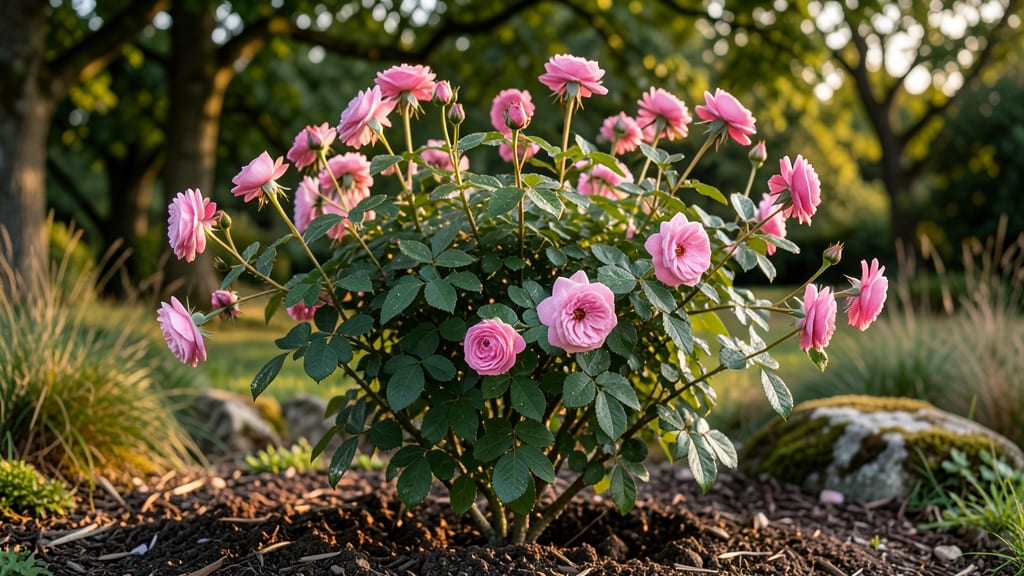
The Constance rose bush delivers fragrant, disease-resistant blooms that outshine most roses—if you prune it right. 🌹 Unlike fussy hybrid teas, this hardy climber thrives with minimal fuss, but its secret lies in year-round maintenance that keeps it blooming from spring until frost.
I’ve grown it for five seasons, and the difference between a leggy mess and a vibrant, productive bush comes down to timing and technique.
This rose loves full sun (6+ hours daily) and well-draining soil, but it’s the pruning that makes the magic happen. Most gardeners wait until spring, but Constance roses reward light trims in late winter, summer, and fall—keeping it compact, airy, and free of deadwood.
The key is cutting back just enough to encourage new growth without sacrificing next year’s blooms. I’ve killed roses this way before (don’t ask), but this method works even for black thumbs.
By following this schedule, you’ll end up with dense clusters of pink-and-white blooms that perfume your garden for months. The flowers stay fresh longer, the bush resists black spot better, and you’ll spend less time wrestling with overgrown canes.
It’s the kind of rose that turns heads—and neighbors ask for cuttings. Here’s exactly how to keep yours in peak shape all year.
Works for USDA Zones 4-9, whether you’re training it on a trellis, growing as a shrub, or letting it climb a fence. The same principles apply whether you’re working with a mature bush or a new transplant. Let’s get those shears sharp and those blooms coming!
📚 In This Guide
- What you need
- Instructions
- Tips and common mistakes
- Wrapping up and next steps
What you need
- ● Pruning shears: Bypass pruners (sharp, clean, and sterilized with rubbing alcohol or bleach solution to prevent disease).
- ● Loppers: For thicker branches (1.5–2 inches in diameter).
- ● Gloves: Heavy-duty gardening gloves (to protect against thorns and bacteria).
- ● Disinfectant: 1 part bleach to 9 parts water (for sterilizing tools between cuts).
- ○ Pruning sealant (optional but helpful): Wound paint or tree sealant (to prevent disease entry on larger cuts).
- ● Trash bags or bucket: For collecting pruned debris (1–2 large bags or a 5-gallon bucket).
- ● Notebook & pen: To jot down notes on cuts, growth patterns, or future pruning plans.
- ● Hand saw: For stubborn, thick branches that loppers can’t handle.
- ● Knee pads or stool: For comfort during long pruning sessions.
- ● Spray bottle with water: To dampen tools and prevent dust while cutting.
- ● Pruning saw with a fine-tooth blade: For precision on delicate stems.
- ● Garden hose or bucket of water: To rinse tools post-pruning.
- ● Choose a dry, sunny day (avoid pruning when the bush is wet or diseased).
- ● Ensure your Constance rose bush is healthy and disease-free before pruning.
- ● Have a clear plan for cuts (refer to your rose bush’s growth habits and seasonal needs).
How to prune a Constance rose bush for year-round beauty
This classic climber thrives with four seasonal pruning sessions—here’s how to keep it blooming and healthy.
✂️ Step 1: Late Winter Pruning (Before New Growth)
Prune your Constance rose in late winter (just as buds begin to swell) to shape the plant and encourage strong new growth. Start by removing any dead, diseased, or crossing branches—these compete for energy and weaken the plant. Use sharp, clean pruners to make cuts at a 45-degree angle about ¼ inch above an outward-facing bud.
This is also the time to thin out crowded stems. Aim to leave 3-5 main branches per section, spacing them evenly. The goal is to improve airflow and sunlight penetration, which prevents fungal diseases. You’ll see fresh, green growth emerge within 2-3 weeks—that’s your signal the pruning worked.
🌿 Step 2: Light Spring Pruning (After First Blooms)
Once your Constance rose finishes its first flush of blooms in early spring, give it a second pruning to maintain shape and promote continuous flowering. Cut back any long, leggy stems by ⅓ of their length, making cuts just above a healthy bud. This encourages bushier growth and more flowers.
Remove any suckers (shoots growing from the base) immediately—they drain energy from the main plant. Watch for new buds forming along the stems; these will develop into your next round of blooms. If you notice any yellowing leaves, prune those stems entirely to prevent disease spread.
☀️ Step 3: Summer Maintenance Pruning (After Each Bloom Cycle)
Constance roses bloom repeatedly, so prune lightly after each flush to keep the plant compact and encourage more flowers. Deadhead spent blooms by cutting back to the nearest 5-leaflet leaf—this redirects energy to new growth rather than seed production. Use sharp pruners to avoid tearing the stems.
Check for any stems growing inward or rubbing against others; these should be removed immediately to prevent damage. Water the base thoroughly after pruning to help the plant recover. You’ll notice new buds forming within 1-2 weeks, signaling the plant is responding well.
⏰ Step 4: Light Fall Pruning (Preparing for Winter)
In early fall, give your Constance rose a final light pruning to tidy it up before winter. Remove any weak, diseased, or crossing stems, but avoid heavy cutting—you want to leave enough foliage to protect the plant from cold winds. Cut back any overly long stems by ⅓ to maintain a balanced shape.
Apply a 2-3 inch layer of mulch around the base (if using) to insulate roots and retain moisture. This is also the time to check for pests like aphids or spider mites; treat with neem oil if needed. By winter, your rose will be well-prepared to handle colder temperatures with its structure intact.
Tips & tricks for perfect Constance rose bush pruning
Between us, these little details make all the difference for a rose that blooms beautifully year after year.
Tool Prep Matters: Before you even touch the plant, clean and sharpen your pruners with rubbing alcohol and a clean cloth. Dull blades crush stems instead of making clean cuts, which invites disease. I also like to sterilize my tools between cuts when dealing with diseased branches—just dip in alcohol and let dry. This keeps your rose healthy and prevents cross-contamination between stems.
The 45-Degree Angle Secret: When making those cuts in Step 1, imagine slicing the stem like a slice of pizza—about ¼ inch above an outward-facing bud. This angle helps water run off the cut instead of pooling, which reduces rot. The outward-facing bud ensures new growth moves away from the center, creating a fuller plant over time. I've seen roses with messy cuts develop fungal issues within weeks.
Seasonal Timing Visual: For late winter pruning, look for those fat, swollen buds that haven't opened yet—they're your cue. In early spring, wait until you see the first blooms start to fade before pruning. Summer deadheading should happen immediately after blooms wilt, and fall pruning is your last chance before winter dormancy. I mark my calendar with these seasonal cues so I never miss a pruning window.
Mulch Depth Reminder: That 2-3 inch layer of mulch in Step 4 isn't just for looks—it's insulation for your rose's roots. Too little (under 2 inches) won't protect enough, while too much (over 3 inches) can suffocate the roots. I use shredded bark mulch because it breaks down slowly and improves soil structure over time. Just keep it a few inches away from the stem to prevent rot.
Pro Tips for Constance Rose Bush
- Between us, these little details make all the difference for a rose that blooms beautifully year after year.
- Tool Prep Matters: Before you even touch the plant, clean and sharpen your pruners with rubbing alcohol and a clean cloth.
- The 45-Degree Angle Secret: When making those cuts in Step 1, imagine slicing the stem like a slice of pizza—about ¼ inch above an outward-facing bud.
Frequently asked questions
Got questions about keeping your Constance rose bush thriving with year-round pruning? You’re in the right place! Here are some of the most common queries—plus quick, actionable answers to keep your blooms lush and fragrant.
When is the best time to prune my Constance rose bush?
The ideal time for major pruning is late winter or early spring (just before new growth starts), but you can do light trimming year-round. Avoid heavy pruning after mid-summer—it can stunt blooms for next season. Pro tip: Always prune above an outward-facing bud (the "eye") for better airflow and shape!
How much should I cut back my Constance rose bush?
For established bushes, aim to remove 1/3 of the oldest wood in late winter. Cut back to a strong, healthy stem (about 1/4 inch above a bud). If your bush is overgrown, never remove more than 1/3 in one session—it can shock the plant. Young bushes need less aggressive pruning (just shape and remove dead wood).
Why aren’t my Constance roses blooming as much as they used to?
Lack of blooms often stems from over-pruning, poor nutrition, or not enough sunlight (they need 6+ hours daily). Check for:
- Dead or diseased wood (prune it out immediately!)
- Low phosphorus (use a balanced rose fertilizer in spring)
- Crowded branches (thin them for airflow)
Can I prune my Constance rose bush in fall?
Light pruning in early fall (to shape or remove dead wood) is fine, but avoid heavy cuts after September—new growth won’t harden off before winter. If you must prune later, wait until after the first frost to prevent disease. Never prune in winter when the plant is dormant (it’s already "asleep" and vulnerable!).
Are there alternatives to Constance roses for low-maintenance blooms?
If you love fragrant, repeat-blooming roses but want less upkeep, consider:
- Knock Out® roses (disease-resistant, bloom all season, minimal pruning)
- David Austin ‘Gertrude Jekyll’ (similar fragrance, slightly easier pruning)
- Hydrangeas (e.g., ‘Endless Summer’) (thrive in shade, bloom on old wood)
- Dwarf climbing roses (like ‘New Dawn’) for vertical interest with less work)
Wrapping up and next steps
Mastering the art of year-round pruning for your Constance rose bush can transform it into a stunning, fragrant centerpiece in your garden. With the right tools, timing, and techniques—like deadheading, shaping, and seasonal trims—you’ll encourage abundant blooms and a healthier plant.
Remember, consistency is key, and a little effort goes a long way! 🌸
Now that you’re armed with knowledge, grab those pruners and give your Constance rose bush the care it deserves. Start small, stay patient, and watch your garden flourish—one bloom at a time! For extra inspiration, join a local gardening group or explore advanced pruning workshops to refine your skills.