
Pruning
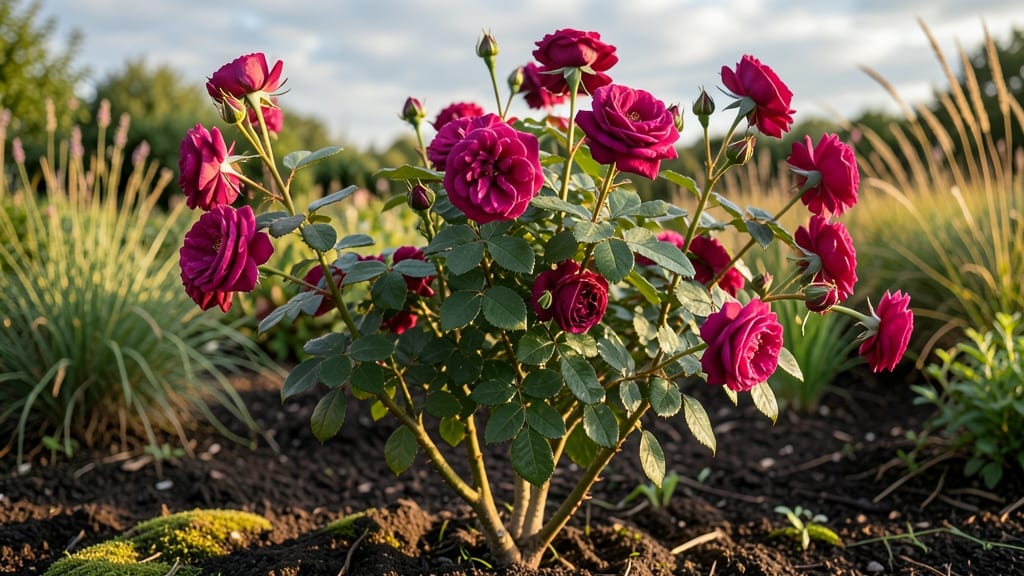
Transform your garden into a living tribute with a Frida Kahlo rose bush—its deep crimson blooms and thorny silhouette echoing the artist’s unmistakable spirit. 🌹 This isn’t just a plant; it’s a bold statement piece that thrives with dramatic pruning, ensuring year-round color and a sculptural presence that demands attention.
The key lies in shaping it like one of Frida’s self-portraits—structured, striking, and full of life. Pair it with silver foliage like lamb’s ear or dusty miller to heighten its contrast, or let it stand alone as a focal point wrapped in climbing clematis for a painterly effect.
In containers, its architectural form becomes even more dramatic, perfect for patios or gallery-style gardens where every plant tells a story. What you’ll achieve is a garden that feels like a curated exhibition—each bloom a brushstroke, each thorn a deliberate texture.
The pruning process itself becomes part of the art, guiding the bush into shapes that whisper of Frida’s vibrant, unapologetic style. Whether you’re designing a dedicated cultural garden or adding a single dramatic accent, this rose becomes the heart of your space.
Let’s bring that bold vision to life—one strategic cut at a time.
📚 In This Guide
- What you need
- Instructions
- Tips and common mistakes
- Wrapping up and next steps
What you need
- ● Sharp bypass pruners – Must be clean and sharp (sterilize with rubbing alcohol). Quantity: 1 pair.
- ● Garden shears or loppers – For thicker stems (½"–1" diameter). Quantity: 1 set.
- ● Disposable gloves – Nitrile or latex-free for sensitivity. Quantity: 1–2 pairs.
- ○ Pruning saw – For stubborn, thick branches. Quantity: 1 (optional but helpful).
- ● Rubbing alcohol (70%+) – To sterilize tools between cuts. Quantity: Small bottle.
- ○ Pruning sealant – Optional but recommended for large cuts (e.g., Tangle-Free Tree Wound Pruning Seal).
- ● Garden twine or zip ties – To secure heavy branches temporarily. Quantity: Small roll.
- ● Bucket or tray – For collecting pruned branches. Quantity: 1.
- ● Choose the right time – Prune in early spring (before new growth) or late winter for best results. Avoid pruning during frost or extreme heat.
- ● Healthy rose bush – Ensure your rose is disease-free (no black spots, powdery mildew, or wilted leaves). Treat with fungicide if needed before pruning.
- ● Clear workspace – Lay down a tarp or old blanket to catch debris and protect soil.
- ● Weather check – Pick a dry, overcast day to minimize stress on the plant.
- ● Frida Kahlo-inspired paint – Acrylic paints (reds, greens, blacks) + small brush to decorate pruned branches (let dry before replanting!).
- ● Mini camera or sketchbook – Capture your pruning process for a DIY Frida Kahlo vibe!
- ● Compost bin – For repurposing pruned branches into mulch or compost.
How to prune a rose bush for Frida Kahlo-inspired year-round drama
Here's how I transform ordinary roses into bold, statement-making shrubs—just like Frida Kahlo's iconic garden.
✂️ Step 1: Time Your Pruning for Maximum Impact
Prune your rose bush during late winter or early spring when the plant is still dormant but just before new growth begins. This is the secret to Frida Kahlo's signature dramatic shape—cutting back when the plant is at its most vulnerable but about to burst with energy. Wait until daytime temperatures stay above 40°F to avoid shocking the plant with cold snips.
Look for swollen buds along the stems—these signal the plant is ready to wake up. If you prune too early, you risk removing next season's blooms. If you wait too late, you'll encourage leggy, weak growth. The goal is to shape the bush while it's still dormant but about to spring into action.
🌿 Step 2: Shape the Bush with Confidence
Start by removing dead, diseased, or crossing branches first—these are the eyesores that ruin even the most dramatic design. Use clean, sharp pruners to make cuts at a 45-degree angle just above an outward-facing bud. This encourages new growth to fan out beautifully, just like Frida Kahlo's lush, rounded forms.
Next, step back and visualize the shape you want—a rounded, open center that lets light and air circulate. Cut back the remaining stems to about 18-24 inches tall, leaving 3-5 strong buds on each branch. The key is to create a bold silhouette—think of Frida's self-portraits where every brushstroke matters.
☀️ Step 3: Encourage Year-Round Blooms with Strategic Cuts
For continuous blooms, prune again in early summer after the first flush of flowers fades. This second cut removes spent blooms and encourages new growth. Cut back one-third of the oldest canes to the ground—this rejuvenates the bush and prevents it from getting woody. You'll see fresh, vibrant growth within 2-3 weeks if you've pruned correctly.
Here's the Frida Kahlo trick: Pinch back new growth in late summer to promote smaller, denser blooms. This keeps the bush compact and ensures flowers appear in clusters rather than sparse, scattered blooms. Watch for new buds forming—these are your promise of future color.
💧 Step 4: Feed and Hydrate for Bold Growth
After pruning, feed your roses with a balanced fertilizer (10-10-10 ratio) to support new growth. Work it into the soil around the base, but don't overdo it—too much fertilizer leads to lush foliage but fewer blooms. Water deeply once a week to encourage strong root development, but avoid soggy soil—roses hate wet feet.
Mulch around the base with 2-3 inches of organic mulch to retain moisture and regulate soil temperature. This step is non-negotiable—Frida Kahlo's roses thrived in Mexico's warm climate, and mulch mimics that protective layer. Check the soil 1 inch below the surface—it should feel moist but not soggy to the touch.
⏰ Step 5: Maintain the Drama Year-Round
Deadhead spent blooms regularly to encourage more flowers. Cut back to the first healthy leaf below the bloom—this prevents the plant from wasting energy on seed production. In late fall, give your roses a light pruning to clean up any remaining debris and shape the bush for winter.
Watch for new growth in spring—this is your reward for bold pruning. If a stem grows too long or leggy, don't hesitate to cut it back. Frida Kahlo's garden was never neat; it was vibrant, alive, and full of personality. Embrace the imperfections and enjoy the process—your roses will thank you with dramatic, year-round blooms.
Tips & tricks for dramatic rose pruning
Frida Kahlo's garden wasn't just beautiful—it was bold. Here's how to channel that same artistic confidence into your rose pruning.
The Timing Secret: That 40°F daytime temperature threshold is your golden window. I've pruned too early when buds were still tight, only to watch my roses produce sparse blooms all season. Wait until you see those swollen buds—they're nature's countdown to spring. Pro tip: Check your local frost dates and plan to prune 2-3 weeks before your last expected frost for perfect timing.
Visual Cue for Perfect Cuts: When making those 45-degree cuts in Step 2, look for the outward-facing bud—it should be clearly visible and pointing away from the center of the bush. If you're unsure, imagine drawing a line from the bud to the outside of the plant. That's where your cut should end. I learned this the hard way after creating awkward growth patterns that looked more like a modern art installation than a garden!
Seasonal Maintenance Strategy: The early summer pruning in Step 3 is where most gardeners trip up. Don't just cut back old blooms—selectively remove one-third of the oldest canes right at the base. This might seem drastic, but it's what gives roses their dramatic, layered look. Think of it like editing a photograph: you remove the distracting elements to highlight the star of the show.
Fertilizer Application: That 10-10-10 balanced fertilizer ratio is perfect, but here's what nobody tells you: split your feeding into three applications. Apply one-third when you prune in spring, another third after the summer pruning, and the final third in early fall. This gradual approach prevents fertilizer burn while keeping your roses consistently vibrant throughout the seasons.
Pro Tips for Frida Kahlo Rose Bush
- Frida Kahlo's garden wasn't just beautiful—it was bold.
- The Timing Secret: That 40°F daytime temperature threshold is your golden window.
- Visual Cue for Perfect Cuts: When making those 45-degree cuts in Step 2, look for the outward-facing bud—it should be clearly visible and pointing away from the center of the bush.
Frequently asked questions
Got questions about growing a Frida Kahlo-inspired rose bush with bold, year-round blooms? We’ve got answers! Here are some of the most common queries—plus practical tips to keep your roses thriving like Frida’s iconic garden.
Why does my rose bush need such bold pruning?
Bold pruning (like Frida’s dramatic style!) encourages stronger, bushier growth and more vibrant blooms. By removing dead or weak stems in late winter/early spring, you redirect energy to healthy canes—resulting in those lush, colorful roses Frida loved. Think of it as a creative reset!
When’s the best time to prune for year-round blooms?
Prune twice a year for continuous blooms:
- Late winter/early spring (before new growth starts): Hard prune (cut back ⅓ of the plant).
- Mid-summer (after first flush of blooms): Light prune (trim dead flowers and shape).
How do I know if I’m pruning too much or too little?
Use this quick guide:
Signs of Over-Pruning
Signs of Under-Pruning
No new buds by early summer; sparse foliage.
Overcrowded canes; fewer, smaller blooms.
Rose bush looks bare or stressed.
Leggy stems with weak growth.
Can I use Frida Kahlo’s pruning style on other roses?
While Frida’s roses were hybrid teas (like ‘Mister Lincoln’), her techniques work for:
- Floribundas (cluster blooms)
- Grandifloras (long-stemmed)
- Even shrub roses (for a wild, artistic look).
My roses aren’t blooming after pruning—what’s wrong?
Check these common culprits:
- Lack of sunlight: Roses need 6+ hours of sun daily. Move to a sunnier spot!
- Over-fertilizing: Too much nitrogen = leaves, not flowers. Use a bloom-specific fertilizer.
- Pests/disease: Yellow leaves or black spots? Treat with neem oil or fungicide.
- Wrong pruning time: If you pruned in fall, new growth may not harden off.
Wrapping up and next steps
Frida Kahlo’s iconic roses weren’t just beautiful—they were bold, resilient, and meticulously cared for. By embracing her dramatic pruning style, you can transform your rose bush into a year-round masterpiece, bursting with vibrant blooms and lush foliage. 🌹✨
Now that you’re armed with the right tools, techniques, and confidence, it’s time to roll up your sleeves and prune like an artist. Start small—pick one bush, follow the steps, and watch your garden bloom with the same passion Frida poured into her work. Your roses deserve this love!