
Pruning
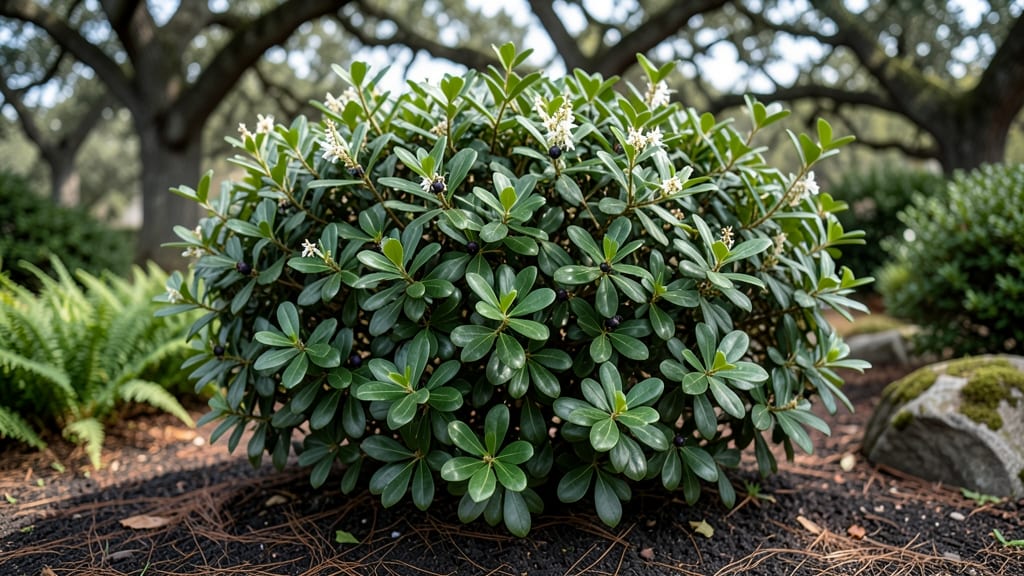
Pruning your California privet bush (Ligustrum ovalifolium) transforms it from a wild, leggy mess into a neat, dense hedge that neighbors envy. ✂️ I’ve turned my own into a year-round privacy screen by mastering the art of strategic cuts—both when to prune and how to shape it without sacrificing growth.
The key is timing: light pruning in late winter (before new growth starts) keeps it tidy, while heavier shaping in early summer encourages bushier foliage. Avoid cutting into old wood, or you’ll risk sparse spots.
My bushes now stay 3-4 feet tall with minimal effort, and the glossy leaves stay vibrant all season. You’ll end up with a hedge that’s disease-resistant, wildlife-friendly, and easier to maintain than most. Birds love the berries, and the dense foliage blocks noise better than any fence.
The secret? Prune just above leaf nodes and never cut more than one-third of the plant at once. Works for California’s Mediterranean climate—drought-tolerant once established—and adapts to coastal fog or inland heat. Let’s get those shears sharp!
📚 In This Guide
- What you need
- Instructions
- Tips and common mistakes
- Wrapping up and next steps
What you need
- ● Bypass pruners: Sharp, high-quality pruners (e.g., Felco or Corona) for clean cuts on smaller branches.
- ● Loppers: For thicker branches (½"–1.5" diameter). Look for long handles (24"–36") for leverage.
- ● Pruning saw: A curved-tooth saw (like a Fiskars) for stubborn, woody stems (1.5"+ diameter).
- ● Gloves: Heavy-duty, cut-resistant gloves (e.g., Mechanix or gardening-specific) to protect from thorns and sap.
- ● Ladder: A sturdy, extendable ladder (e.g., Little Giant) if your bush exceeds 6–8 feet tall.
- ○ Disinfectant: 70% isopropyl alcohol or a pruning sealant (optional but recommended to prevent disease spread).
- ● Trash bags: 30+ gallon bags for debris (or a wheelbarrow for heavy pruning sessions).
- ● Rake or leaf blower: To clear fallen leaves and small branches post-prune.
- ● Hand pruners: For precision trimming on delicate new growth.
- ● Pole pruners: If your bush is tall (10'+) and hard to reach.
- ● Pruning shears with anvil blades: For non-living wood (avoid on green stems—they crush instead of clean-cut).
- ● Hose or bucket: To rinse tools between cuts and reduce sap buildup.
- ● Marking spray: A temporary spray (like flour or chalk) to outline desired cuts before pruning.
- ● Compost bin: To recycle small, healthy clippings as mulch.
- ● Weather check: Prune on a dry, calm day (avoid rain or wind for 24 hours before/after).
- ● Safety gear: Safety glasses and long sleeves/pants to protect from debris and sap.
- ● Timing: Late winter/early spring (for major shaping).
- ● Light trims can happen year-round (avoid heavy pruning in fall).
- ● Plant health: Inspect for pests/disease before pruning. Do not prune if the bush is stressed or diseased.
Step-by-Step instructions for pruning California privet bushes
Mastering this shrub’s growth habits transforms it from wild to sculpted—here’s how I shape mine year-round.
✂️ Step 1: Time Your Cuts for Seasonal Growth Patterns
California privet responds best to pruning in late winter or early spring (just before new growth begins) when the plant is dormant but about to burst. This timing ensures you remove last year’s growth while stimulating fresh, dense foliage. Avoid pruning in fall—new growth won’t harden off before winter, leaving tender stems vulnerable to frost damage.
I also do light shaping cuts in summer after flowering to maintain form, but never cut back more than 25% of the plant’s height in one session. Privet grows aggressively, so summer trims keep it from becoming unruly between major prunings. Watch for new leaf clusters—these indicate active growth, and pruning after you see them prevents deadheading flower clusters that could set seed.
✂️ Step 2: Use the Right Tools and Technique for Clean Cuts
Sharp, bypass pruners are non-negotiable—dull blades crush stems and invite disease. I disinfect my tools with 70% rubbing alcohol between cuts to prevent spreading bacterial leaf spot, a common issue with privet. Cut at a 45-degree angle just above a leaf node or lateral bud, never leaving stubs. This angled cut sheds water away from the stem, reducing rot risk.
For larger branches (over ½ inch thick), switch to loppers or a pruning saw. Never tear branches—this damages the plant’s vascular system and weakens regrowth. After each cut, step back to assess balance. Privet’s dense growth masks uneven trims, so I often prune in three stages, waiting 2-3 weeks between sessions to evaluate the shape before finishing.
✂️ Step 3: Shape for Structure and Airflow
California privet thrives when you open the center to improve airflow and sunlight penetration. Start by removing dead, crossing, or inward-growing branches first—they compete for resources and create weak entry points for pests. Next, thin out every 5th branch from the base upward to maintain an open vase shape. This prevents the classic "Christmas tree" look where the bottom becomes bare.
For formal hedges, I shear the edges with hand shears after the main structural cuts, keeping the blade at a consistent angle to maintain symmetry. For informal shapes, I focus on layered tiers—cutting back the tallest branches first, then working downward. The goal is to see light-colored new growth within 2 weeks of pruning, signaling the plant is responding well.
🌿 Step 4: Post-Pruning Care for Vigorous Recovery
Water deeply right after pruning to help the plant recover, especially if you’ve removed more than 15% of the foliage. Mulch the base with 2-3 inches of organic mulch (like wood chips) to retain moisture and protect roots from temperature swings. Avoid heavy fertilizing immediately—privet responds better to balanced, slow-release fertilizer applied 6-8 weeks after pruning when new growth is established.
Monitor for yellowing leaves or wilting branches in the weeks after pruning—these can signal over-pruning or stress. If you see excessive dieback, reduce future cuts by 20% and focus on selective thinning rather than heavy shearing. Healthy privet should show new leaf flushes within 3-4 weeks of spring pruning, with stems thickening as the season progresses.
Tips & tricks for perfect California privet bush pruning
These seasoned techniques will help you transform your unruly privet into a thriving, sculpted landscape feature with minimal stress.
Seasonal Timing is Everything: The late winter or early spring timing in Step 1 is non-negotiable for California privet. I've learned this the hard way—pruning in fall can leave your plant vulnerable to frost damage on new growth. For summer maintenance, always wait until after flowering when you see those new leaf clusters forming. This ensures you're not accidentally removing next year's blooms or seed heads that could spread invasively.
Tool Selection Prevents Disaster: Never skip the tool prep in Step 2. I've seen bacterial leaf spot ruin entire privet hedges because someone used the same bypass pruners on infected plants. Always keep a bottle of 70% rubbing alcohol handy—it takes seconds to disinfect between cuts. For branches over ½ inch thick, loppers or a pruning saw are essential, but make sure to cut at that precise 45-degree angle to prevent water pooling at the cut site.
Structural Pruning Creates Airflow: The open center approach in Step 3 is what transforms privet from wild to refined. Start by removing every 5th branch from the base upward—this creates that signature vase shape while preventing the "Christmas tree" effect. For formal hedges, I recommend using hand shears after the main cuts, keeping the blade at a consistent angle to maintain symmetry. The goal is to see those light-colored new growth shoots within 2 weeks, which tells you the plant is responding perfectly.
Recovery Care Makes All the Difference: The post-pruning care in Step 4 is where many gardeners drop the ball. Watering deeply right after pruning is crucial, especially if you've removed more than 15% of the foliage. I've found that applying 2-3 inches of organic mulch creates a microclimate that protects roots from temperature swings. The key is patience—wait those 6-8 weeks before fertilizing to let the plant establish new growth without stress.
Pro Tips for California Privet Bush
- These seasoned techniques will help you transform your unruly privet into a thriving, sculpted landscape feature with minimal stress.
- Seasonal Timing is Everything: The late winter or early spring timing in Step 1 is non-negotiable for California privet.
- Tool Selection Prevents Disaster: Never skip the tool prep in Step 2.
Frequently asked questions
Got questions about keeping your California privet bush in check? You’re not alone! Here are answers to the most common concerns—from pruning timing to troubleshooting pesky issues.
When is the best time to prune a California privet bush?
For optimal growth, prune lightly after flowering (late spring) to encourage bushiness. A major shape-up is best in early spring (February–March) before new growth starts. Avoid heavy pruning in fall—it can stimulate tender shoots vulnerable to frost. Pro tip: If you missed spring, a light trim in summer is better than nothing!
How much can I trim back a California privet bush?
California privet is hardy and can handle moderate pruning. You can safely remove up to 1/3 of the bush’s height or width in one session. For drastic reshaping (e.g., after storm damage), don’t hesitate—privet rebounds well! Just avoid topping (cutting back to a flat top), which can lead to weak, leggy growth.
Why does my California privet bush have bare spots after pruning?
Bare spots often happen when old wood is pruned too aggressively. Privet grows from new growth, so if you cut back into woody stems, those areas won’t regrow. Solution: Focus on outer branches and avoid hacking into the center. If spots persist, fertilize lightly to encourage fresh foliage.
What’s a good alternative if I want a low-maintenance hedge?
If California privet’s fast growth feels high-maintenance, try these hardy alternatives:
- English Laurel – Dense, evergreen, and drought-tolerant.
- Boxwood – Neat and slow-growing (but needs more frequent pruning).
- Olive Tree – Silvery foliage, drought-resistant, and slow to spread.
- Lavender – Fragrant, low-growing, and thrives in California’s climate.
Each has trade-offs—privet wins for speed and density, but others may suit your yard’s style better!
Are California privet bushes invasive or harmful to pets?
California privet (Ligustrum ovalifolium) isn’t highly invasive like its Asian cousin, but it can spread via seeds or suckers. As for pets: all parts are toxic if ingested (thanks to ligustrine compounds), causing vomiting or diarrhea. Keep it away from curious pups! Opt for pet-safe hedges like rosemary or yucca if you’re worried.
Pro Tip Roundup
| Issue | Quick Fix |
|---|---|
| Leggy growth after pruning | Trim back to a strong outward-facing bud to encourage bushiness. |
| Yellowing leaves | Check for overwatering or nutrient deficiency—privet prefers well-draining soil. |
| Slow regrowth | Apply a balanced fertilizer (10-10-10) in early spring. |
Wrapping up and next steps
Mastering the art of California privet bush pruning transforms your landscape into a well-manicured masterpiece—year-round! 🌿 With the right tools, timing, and techniques, you can tame dense growth, encourage healthy blooms, and keep your bush looking its best. Whether you’re trimming for shape, size, or seasonal renewal, consistency is key.
Ready to take the next step? Grab your pruners, mark your calendar, and start small—even a few minutes of care makes a big difference! For extra confidence, watch a quick pruning tutorial or join a local gardening group to swap tips.
Your privet bush (and your curb appeal) will thank you!