
Pruning
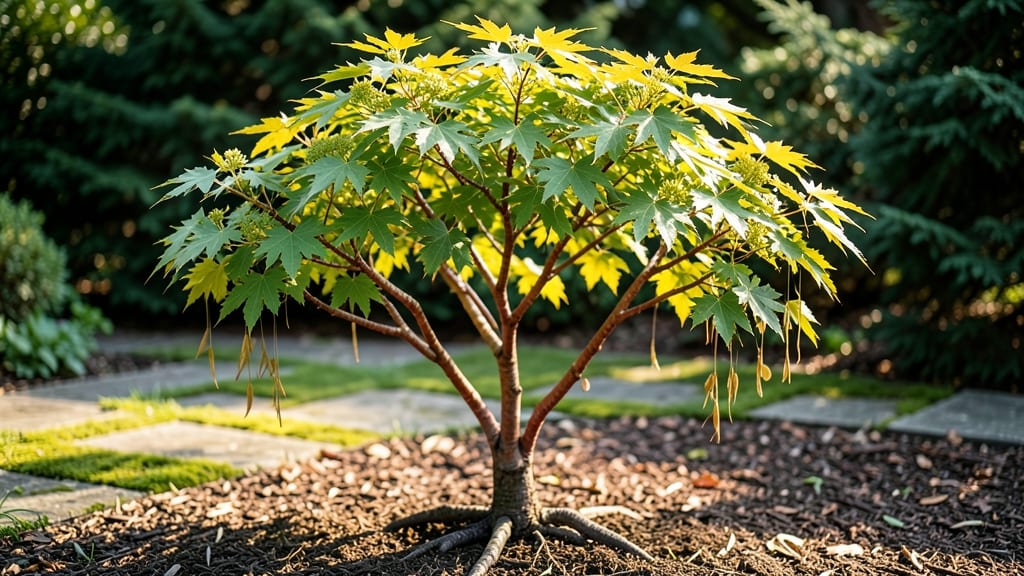
Pruning a maple bush tree transforms it from a wild tangle to a showstopping focal point in your yard. 🌿 I’ve pruned everything from delicate Japanese maples to sturdy Norway maples, and the right cuts make all the difference—whether you’re shaping a bush for a hedge or encouraging a tree’s natural grace.
The key? Timing, tools, and knowing which branches to keep (and which to say goodbye to). Start with the basics: sharp pruners, gloves, and a clear vision of your maple’s final shape.
Spring is ideal for most varieties, but dwarf maples can handle light pruning even in late summer. The goal isn’t just to tidy up—it’s to encourage stronger growth, better airflow, and year-round health.
One wrong snip can leave a scar that lasts for years, so take your time. By the end, your maple will look like it belongs in a botanical garden, not just your backyard. You’ll spot new buds forming within weeks, and the structure will hold up through storms and seasons.
Even the trickiest varieties—like weeping maples—respond beautifully when pruned with purpose. Works for urban gardens, cottage landscapes, or formal hedges. Ready to give your maple the care it deserves?
📚 In This Guide
- What you need
- Instructions
- Tips and common mistakes
- Wrapping up and next steps
What you need
- ● Pruning shears: Sharp, bypass-style shears (for small branches, 6–8 inches long). Replace blades if dull!
- ● Loppers: Heavy-duty, bypass or anvil-style (for branches ½–2 inches thick). Look for ergonomic handles for comfort.
- ● Pruning saw: Curved-tooth saw (for branches 2+ inches thick). A folding or bow saw works best.
- ● Gloves: Cut-resistant gloves (e.g., mechanized or heavy-duty leather) to protect hands from thorns and sharp edges.
- ● Disinfectant: 70% isopropyl alcohol or rubbing alcohol to clean tools between cuts (prevents disease spread).
- ● Rubbing alcohol or bleach solution: 1 part bleach to 9 parts water for sterilizing tools.
- ○ Pruning sealant (optional but helpful): Tree wound dressing (e.g., Tanglefoot Tree Wound Pruning Seal) for large cuts.
- ● Ladder or step stool: Sturdy, non-slip (if pruning higher branches). Ensure it’s rated for your weight.
- ● Safety gear: Safety goggles (to protect from debris).
- ● Long sleeves/pants (to avoid scratches from thorns).
- ● Extension pole: For hard-to-reach branches (attach loppers/saws to the end).
- ● Marking spray: Non-toxic paint to mark branches for removal (helps visualize cuts).
- ● Heavy-duty trash bags: For collecting pruned branches and debris.
- ● Hand saw: For very thick branches if your pruning saw isn’t up to the task.
- ● Work boots: Steel-toe or sturdy shoes for stability on uneven ground.
Step-by-step guide for pruning your maple bush tree
Here’s how I keep my maple bush tree thriving year-round with simple, effective pruning.
✂️ Step 1: Prune in Late Winter or Early Spring
Timing matters most—wait until late winter or early spring when the tree is still dormant but just before new growth begins. This prevents stressing the tree and ensures you’re cutting back dead or weak branches before the growing season kicks in.
I grab my pruning shears and start by removing any dead, diseased, or crossing branches first. These are easy to spot—they’re brown, brittle, or rubbing against other branches. Cut them back to a healthy bud or branch junction. This step keeps air circulating and prevents future issues.
✂️ Step 2: Shape the Tree for Balance and Light
Next, I focus on shaping the tree to encourage even growth and sunlight exposure. Start at the top and work your way down, removing any branches that are growing inward or blocking light from reaching the center. Aim to create an open, vase-like shape that allows sunlight to penetrate all the way to the base.
For thicker branches, I use my pruning saw to make clean cuts just outside the branch collar—the swollen area where the branch meets the trunk. This helps the tree heal faster and reduces the risk of infection. If you’re unsure where to cut, look for the slight bump where the branch meets the trunk and cut just beyond it.
✂️ Step 3: Thin Out Overcrowded Branches
Overcrowding stresses the tree and leads to weak growth, so I thin out branches that are growing too close together. Focus on removing smaller branches first—these are easier to cut and won’t leave large wounds. I space cuts evenly around the tree to maintain a natural, balanced look.
Watch for branches that are growing straight up or down—they compete for sunlight and nutrients. These are prime candidates for removal. After thinning, step back and check the tree’s silhouette. You’re looking for a rounded, full shape with no bare spots or overly dense areas.
✂️ Step 4: Light Summer Pruning for Maintenance
If your maple bush tree needs a little touch-up during the growing season, I do a light pruning in early summer—just enough to remove any new growth that’s crowding the center or looks unhealthy. Avoid heavy pruning now, as it can stimulate weak, late-season growth that won’t harden off before winter.
I also keep an eye out for suckers—those little shoots sprouting from the base or along the trunk. These drain energy from the main tree, so I snip them off at the base. A quick check every few weeks ensures the tree stays strong and focused on its best branches.
⏰ Step 5: Fall Cleanup and Winter Prep
In late fall, after the leaves have dropped but before the first hard frost, I do a final walkthrough. Remove any dead or broken branches that might have missed earlier pruning. This keeps the tree tidy and reduces the risk of pests or disease overwintering in damaged wood.
I also give the base of the tree a light mulch layer (about 2-3 inches deep) to protect the roots from freezing temperatures. Avoid piling mulch against the trunk—keep it a few inches away to prevent rot. This simple step helps the tree stay healthy through winter and bounce back strong in spring.
Tips & tricks for pruning your maple bush tree
Took me years of trial and error to perfect these pruning habits—here’s what actually makes a difference for your maple bush tree.
Timing is Everything: The late winter/early spring window (right before buds swell) is non-negotiable. I’ve learned this the hard way—pruning too early stresses the tree, while waiting too long risks encouraging new growth that won’t survive winter. Look for those tight buds forming but no leaves yet—that’s your perfect moment. If you miss it, wait until late fall instead.
Clean Cuts Prevent Problems: When cutting thicker branches in Step 2, I always make my cuts just outside the branch collar using a sharp pruning saw. The key is to avoid tearing the bark—this prevents disease from entering the wound. I also sterilize my tools between cuts with rubbing alcohol to prevent spreading any potential infections between branches.
Visual Cues Matter More Than Rules: Instead of memorizing "remove 25% of branches," I focus on creating visual balance. After thinning in Step 3, I step back and imagine looking at the tree from all sides. You should see an open center with sunlight streaming through—like a natural vase shape. If one side looks bare, that’s where I’ll make my next cut to even things out.
Mulch Like a Pro: That 2-3 inch mulch layer in Step 5 isn’t just decoration—it’s winter protection. I use shredded bark mulch because it breaks down slowly, adding organic matter to the soil. The critical part? Keep it 2-3 inches away from the trunk to prevent rot while still protecting those vulnerable roots from freezing temperatures.
Pro Tips for Maple Bush Tree
- Took me years of trial and error to perfect these pruning habits—here’s what actually makes a difference for your maple bush tree.
- Timing is Everything: The late winter/early spring window (right before buds swell) is non-negotiable.
- Clean Cuts Prevent Problems: When cutting thicker branches in Step 2, I always make my cuts just outside the branch collar using a sharp pruning saw.
Frequently asked questions
Got questions about keeping your maple bush tree thriving?
Here are some of the most common ones—plus quick answers to help you prune like a pro!
When is the best time to prune a maple bush tree?
The ideal time is late winter or early spring (before buds swell) to avoid stressing the tree. Avoid heavy pruning in fall—it can encourage late-season growth vulnerable to frost damage. Light shaping in summer is fine, but prioritize winter/early spring for major cuts.
Why is my maple bush tree bleeding sap after pruning?
Sap bleeding is normal in maples! It’s the tree’s way of sealing wounds. To minimize mess, prune on dry days (avoid rain) and use sharp tools for clean cuts. Seal larger cuts with pruning sealant if sap flow is excessive.
How much can I trim without harming the tree?
Never remove more than 25% of the foliage in one season—this prevents shock. For young trees, limit cuts to 10–15%. Focus on dead, diseased, or crossing branches first, then shape for aesthetics. Patience pays off!
Can I prune a maple bush tree in summer?
Yes, but lightly! Summer pruning (June–August) is best for controlling size or removing suckers. Avoid heavy cuts—it stresses the tree and attracts pests. If pruning in summer, do it on overcast days to reduce water loss.
What’s the difference between pruning a maple bush and a standard maple tree?
Maple bushes (like Swamp Maple or Norway Maple cultivars) need more frequent, lighter pruning to maintain their dense shape. Standard maples (e.g., Sugar Maple) can handle harder cuts but still benefit from structured thinning to improve airflow.
Pro Tip:
Always sterilize tools with rubbing alcohol between cuts to prevent disease spread. And never top a maple bush—it invites decay and weak growth!
Wrapping up and next steps
Your maple bush tree thrives when you invest time in thoughtful pruning—it’s the secret to vibrant foliage, stronger growth, and even better sap production! 🌿 With the right tools, timing, and techniques, you’re now equipped to keep your tree healthy year-round.
Start small, stay consistent, and watch your maple bush flourish.
Ready to take the next step? Plan your pruning schedule and mark key dates on your calendar. Whether it’s early spring for major cuts or light maintenance in fall, a little effort now means a lush, resilient tree for seasons to come! 🌳