
Light Requirements
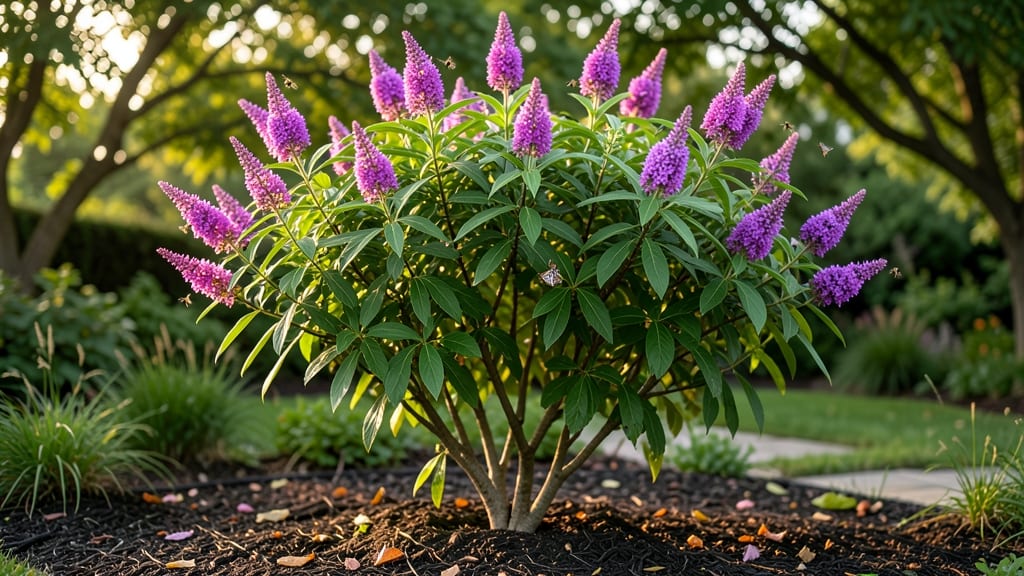
Butterfly bushes thrive in full sun, needing at least 6 hours of direct sunlight daily to produce those vibrant blooms that attract pollinators like 🦋 butterflies.
Struggling to keep your butterfly bush blooming as vibrantly as it should? The secret might be hiding in plain sight—sunlight exposure plays a far bigger role than most gardeners realize.
Too little sun leads to leggy growth and sparse flowers, while too much can stress the plant in extreme heat. The key is finding that sweet spot where your butterfly bush gets enough light to flourish without burning out.
In this guide, I’ll break down exactly how much sun your butterfly bush needs, how to adjust for your climate, and the best ways to position it for maximum blooms—no guesswork required.

How much sun does a butterfly bush truly need for optimal growth?
If you've ever wondered why your butterfly bush (Buddleia) isn't blooming as spectacularly as the ones in garden centers, the answer likely lies in its sunlight exposure.
While most gardeners know butterfly bushes love sun, the devil is in the details—how much is truly enough, and how does regional climate factor in? Let's break down the science and practical tips to ensure your Buddleia thrives with vibrant blooms and lush foliage.
Butterfly bushes are classified as full-sun plants, meaning they thrive with 6-8 hours of direct sunlight daily. However, this ideal can vary based on your USDA hardiness zone, local climate, and even the specific cultivar you're growing.
For example, dwarf varieties like 'Lo & Behold' may tolerate slightly less sun compared to towering standard varieties like 'Black Knight'. Understanding these nuances is key to avoiding common pitfalls like leggy growth or sparse flowering.
Zones 10+: May need afternoon shade
Enhances flower bud formation
Urban areas with pollution
Weaker stem growth
Southern exposures
Increased water needs
North-facing plantings
Fewer blooms
Pale foliage
One common misconception is that more sun is always better. While butterfly bushes love sunlight, intense afternoon sun in hot climates (like USDA Zone 10) can actually cause leaf scorch or heat stress.
In these regions, providing afternoon shade with a sheer curtain or nearby tree can protect your plant while still meeting its 6-hour minimum. Think of it as giving your bush a siesta during peak heat—just like you would for yourself on a scorching day!
The science behind this lies in photosynthesis efficiency. Butterfly bushes, like all plants, convert sunlight into energy through chlorophyll. However, their flower production is particularly sensitive to light intensity.
Studies show that Buddleia spp. plants receiving 6-8 hours of full sun produce 30-50% more blooms than those in partial shade. This is because sunlight triggers the production of florigen, a hormone that promotes flowering.
Without adequate light, your bush will focus its energy on leafy growth instead of showy blooms.
To measure sunlight exposure accurately, use a simple sunlight tracker. Place a white board or piece of cardboard where you plan to plant your butterfly bush and mark it every hour it's exposed to direct sun. Repeat this for a week to account for variable weather patterns.
If your location only gets 4-5 hours of direct sun, consider planting a dwarf variety or pairing it with a taller sun-loving plant like coneflowers to create a microclimate with better light exposure.
Regional variations play a huge role in sunlight needs. For instance, in cooler northern climates (Zones 3-5), butterfly bushes can handle morning sun and afternoon shade because the sun isn't as intense. In contrast, southern climates (Zones 8-11) require morning sun with afternoon protection to prevent heat damage.
Even within the same zone, microclimates matter—your butterfly bush might thrive in a south-facing border but struggle in a north-facing corner of the same yard.
If you're growing your butterfly bush in a container, sunlight needs become even more critical due to limited root space.
Containers heat up faster and dry out quicker, so ensure your potted bush gets at least 6 hours of direct sun and is placed on a reflective surface (like a patio or deck) to maximize light absorption.
Dark-colored containers can absorb heat, so opt for light-colored pots or add a mulch layer to keep roots cool.
Pro tip: Pay attention to your butterfly bush's foliage color as an indicator of sunlight health. Deep green leaves signal optimal light, while yellowing or pale leaves suggest insufficient sun. Conversely, brown or crispy edges mean too much direct sun, especially in hot weather.
Adjusting your bush's location based on these visual cues can make all the difference in its overall health and blooming potential.
Remember, the goal is to mimic the natural habitat of butterfly bushes, which thrive in open, sunny meadows and prairie edges.
By providing the right balance of sunlight—whether that's full sun with afternoon shade or morning sun in cooler climates—you'll encourage your bush to grow strong, healthy, and bursting with blooms that butterflies can't resist. 🦋
Signs your butterfly bush isn't getting enough sun (and how to fix it)
Your butterfly bush (Buddleia) might be silently begging for more sunlight, even if it's not immediately obvious. When these shrubs don't get their 6+ hours of direct sun, they start sending subtle signals through their growth patterns and blooms.
The most common red flag? Leggy, spindly stems reaching upward like they're desperate for light.
Another telltale sign is sparse or weak blooms—your butterfly bush might still flower, but the stems will be thin and flowers fewer than usual. Even the leaves tell the story: smaller than expected with a pale, almost washed-out appearance.
If you notice these combined symptoms, your plant's energy is being diverted to reach for sunlight rather than producing vibrant flowers.
🌱
- Reduced photosynthesis = fewer blooms
- Weak stems = higher risk of wind damage
- Pest vulnerability increases in stressed plants
Even partial shade (less than 4 hours sun) causes these issues—your butterfly bush needs full sun to thrive.
To fix leggy growth, start with pruning techniques that encourage bushier habits. Cut back overly elongated stems by about one-third in early spring. This forces the plant to redirect energy to side branches rather than reaching upward.
For immediate results, try seasonal adjustments like moving potted plants to sunnier spots during winter months when daylight is shorter.
Consider companion planting strategies to maximize light exposure. Remove any tall shade-casting plants nearby, like sunflowers or corn, that might be blocking sunlight. Instead, plant low-growing companions like lavender or catmint that won't compete for light.
In containers, choose reflective surfaces like light-colored pots or place them on gravel to bounce extra sunlight onto the plant.
For established plants in the ground, try strategic pruning in late winter to open up the center and allow more light penetration. Remove any dead or crossing branches first, then cut back older wood to stimulate new growth from the base.
This creates a fuller, more sunlight-accessible shape that blooms better throughout the season.
Remember that afternoon shade in hot climates can actually be beneficial, but morning sun is non-negotiable. If you're in a Zone 7-9 area, provide afternoon shade during peak summer months to prevent leaf scorch while still maintaining full morning sunlight exposure.
🦋