
Pruning
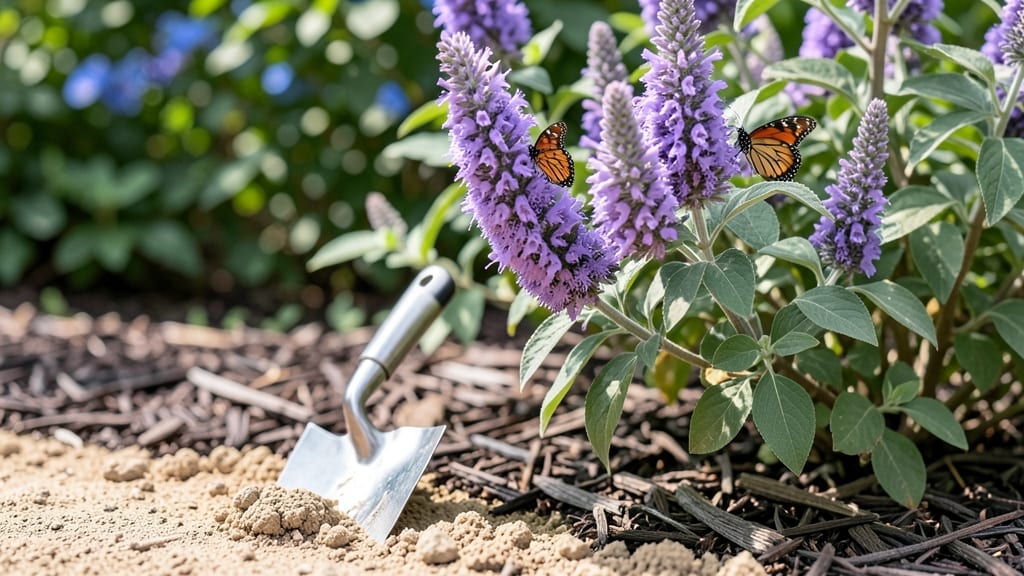
Your butterfly bush soil mix is the unsung hero behind those vibrant purple blooms that attract butterflies all summer. 🌿 I learned the hard way that soggy soil turns lush growth into a sad, leggy mess—until I switched to a well-draining blend that keeps roots happy and flowers abundant.
The secret isn’t fancy: 60% garden soil, 30% coarse sand or perlite, and 10% compost creates the perfect balance. Butterfly bushes hate wet feet, so raise beds slightly if your yard drains poorly. A pH between 6.0-7.0 keeps nutrients flowing—test your soil before planting to avoid surprises.
With the right mix, you’ll see stronger stems, more blooms, and butterflies flocking by mid-July. The key is amending heavy clay or sandy soil with organic matter to hold moisture without suffocating roots.
A quick soil test costs less than a potted plant and prevents years of frustration.
Works in full sun or partial shade, but blooms peak with 6+ hours of sunlight daily. For clay-heavy areas, mix in pebbles or expanded shale to boost drainage. Avoid over-fertilizing—these bushes thrive on neglect once established!
📚 In This Guide
- What you need
- Instructions
- Tips and common mistakes
- Wrapping up and next steps
What you need
- ● Garden soil (topsoil): 50% of the mix (use high-quality, organic topsoil).
- ● Compost or well-rotted manure: 25% (boosts nutrients and improves soil structure).
- ● Perlite or coarse sand: 20% (ensures aeration and prevents waterlogging).
- ● Peat moss or coconut coir: 5% (helps retain moisture without compacting the soil).
- ● Garden gloves (to protect your hands from rough soil).
- ● Garden trowel or spade (for mixing and amending soil).
- ● Wheelbarrow or large bucket (to blend materials easily).
- ○ pH testing kit (optional but helpful—ideal pH for butterfly bushes is 6.0–7.0).
- ○ Slow-release fertilizer (10-10-10 or similar) (1 cup per 5 gallons of mix, optional for extra nutrients).
Step-by-Step guide to creating the perfect butterfly bush soil mix
Here's how I craft a well-draining, nutrient-rich blend that keeps butterfly bushes thriving and blooming.
🌱 Step 1: Select the Base Components
Start with 50% premium garden soil as your foundation—this provides essential nutrients and microbial life. I always use composted topsoil (not bagged soil) because it retains structure while offering organic matter. Add 30% coarse sand to improve drainage; horticultural sand or builders' sand works best—avoid fine beach sand, which compacts easily.
For the remaining 20%, mix in perlite or pumice to create air pockets. This prevents waterlogging, which butterfly bushes despise. I like to sift all components through a ¼-inch mesh screen before blending to ensure even particle distribution. This step eliminates clumps that could restrict root growth later.
💧 Step 2: Blend and Amend for Optimal Texture
In a large wheelbarrow or clean tarp, combine the screened materials using a shovel. Work the ingredients together until you achieve a crumbly, almost sandy-loam consistency—it should hold shape when pressed but break apart easily with gentle pressure. If the mix feels too dense, add 10% more perlite; if it's too loose, incorporate 5% extra composted soil.
Here's the thing—this blend should resemble moistened potting mix but with a grittier texture. The goal is to mimic the bush's native habitat: well-draining yet moisture-retentive enough to support deep root systems. I always test the moisture by squeezing a handful—it should feel damp but not wet, like a wrung-out sponge.
☀️ Step 3: Add Nutrients for Vibrant Growth
Incorporate 2 cups of 5-10-5 slow-release fertilizer per cubic yard of mix to provide balanced nutrition without burning roots. I prefer organic options like fish bone meal or kelp meal for their microbial benefits. For extra bloom support, work in 1 cup of bone meal—this adds phosphorus, which butterfly bushes crave for prolific flowering.
Don't overdo it with nitrogen-heavy amendments like blood meal; these encourage leafy growth at the expense of flowers. Instead, focus on phosphorus and potassium to promote robust blooms. I like to sprinkle the amendments evenly over the blended mix and turn it with a garden fork until fully incorporated.
✂️ Step 4: Prepare Planting Beds or Containers
For in-ground plantings, loosen the native soil to a depth of 12-18 inches using a broadfork. This prevents compaction and allows roots to penetrate deeply. Mix your custom blend with the existing soil at a 50/50 ratio—this maintains some native structure while improving drainage.
For container plantings, fill pots with the pure custom mix (no native soil needed). Ensure containers have multiple drainage holes and use fabric pots if possible—they allow excess moisture to escape while preventing root circling. I always water the mix thoroughly before planting to eliminate air pockets that could stress young roots.
🪴 Step 5: Plant and Maintain Proper Moisture
Dig holes twice as wide as the root ball but only as deep as the container's base. Gently remove the butterfly bush from its nursery pot and place it in the hole, ensuring the top of the root ball sits 1 inch above soil level—this prevents stem rot from overwatering. Backfill with your custom mix, tamping lightly as you go.
Water deeply immediately after planting to settle the soil and eliminate air gaps. After that, maintain 1-1.5 inches of water per week, delivered either through rainfall or irrigation. The key is consistency—butterfly bushes prefer even moisture but hate soggy conditions. You'll know you've got it right when the soil feels like a damp sponge 2 inches below the surface.
Tips & tricks for perfect butterfly bush soil mix
These game-changing insights will help you create a soil blend that transforms your butterfly bushes into vibrant, blooming powerhouses—without the guesswork.
Ingredient Selection: When choosing your 50% premium garden soil, opt for composted topsoil with a rich, dark brown color and earthy aroma. Avoid bagged "garden soil" mixes, which often contain peat moss or other moisture-retentive materials that disrupt drainage. For the 30% coarse sand, horticultural sand is my top pick—it's specifically processed to prevent compaction. If you're using builders' sand, rinse it first to remove any fine particles that could clog your mix.
Texture Test: The crumbly, sandy-loam consistency you're aiming for in Step 2 is absolutely critical. To test it properly, press a handful of your blended mix between your fingers—it should hold together when squeezed but crumble easily when you open your hand. If it feels like wet sandpaper, you need more perlite or pumice; if it sticks together like clay, add a bit more coarse sand. This texture mimics the native growing conditions of butterfly bushes perfectly, preventing both waterlogging and drought stress.
Nutrient Timing: When adding your 2 cups of 5-10-5 fertilizer and 1 cup of bone meal in Step 3, sprinkle them evenly over the surface first, then use a garden fork to gently turn the mix. This ensures even distribution without creating hot spots where concentrated nutrients could burn tender roots. I like to work these amendments into the top 6 inches of soil where most butterfly bush roots will establish themselves—this is where they'll access nutrients most efficiently.
Container Considerations: For container plantings, never skip the thorough pre-watering step before planting. Fill your pots with the pure custom mix, then water until moisture runs freely from the drainage holes. This eliminates air pockets that could stress young roots. If you're using fabric pots, consider adding a 1-inch layer of gravel at the bottom for extra drainage—just make sure it doesn't block the drainage holes completely.
Pro Tips for Butterfly Bush Soil
- These game-changing insights will help you create a soil blend that transforms your butterfly bushes into vibrant, blooming powerhouses—without the guesswork.
- Ingredient Selection: When choosing your 50% premium garden soil, opt for composted topsoil with a rich, dark brown color and earthy aroma.
- Texture Test: The crumbly, sandy-loam consistency you're aiming for in Step 2 is absolutely critical.
Frequently asked questions
Got questions about butterfly bush soil? You’re in the right place!
Whether you're troubleshooting drainage or picking the perfect planting spot, we’ve got answers to keep your butterfly bush thriving. Here are some of the most common queries:
What type of soil is best for butterfly bushes?
Butterfly bushes thrive in well-draining, slightly acidic to neutral soil (pH 6.0–7.5). A mix of 60% garden soil, 30% compost, and 10% sand or perlite works wonders. Avoid heavy clay—it can suffocate roots and lead to rot. Pro tip: Test your soil’s pH with a kit to ensure optimal conditions!
How often should I water a butterfly bush after planting?
Water deeply once a week for the first month to help roots establish, then taper to every 10–14 days (unless drought strikes). Mature bushes are drought-tolerant but love consistent moisture. Warning: Overwatering causes root rot—always check soil moisture 2 inches below the surface before watering. Pro tip: Mulch around the base to retain moisture!
Can I grow butterfly bushes in containers?
Use a large container (at least 15–20 gallons) with drainage holes and a fast-draining potting mix (50% potting soil, 30% perlite, 20% compost). Container-grown bushes need more frequent watering and may require winter protection in cold climates. Pro tip: Choose dwarf varieties like ‘Lavender Lace’ for smaller pots!
Why are my butterfly bush leaves turning yellow?
Yellow leaves often signal overwatering, poor drainage, or nutrient deficiency. Check for soggy soil—if it’s waterlogged, amend with sand or perlite. Yellowing can also mean iron deficiency; apply a chelated iron supplement if needed. Quick fix: Prune affected leaves and adjust watering habits. Pro tip: Yellowing on older leaves is normal aging—focus on new growth!
Are there alternatives to butterfly bushes for pollinators?
Yes! If soil conditions are tricky, try butterfly weed (Asclepias tuberosa), coneflowers (Echinacea), or bee balm (Monarda). These plants attract butterflies and thrive in similar well-draining, sunny spots. Pro tip: Mix native plants for a low-maintenance, pollinator-friendly garden!
Wrapping up and next steps
Creating the perfect butterfly bush soil is all about balance—well-draining, nutrient-rich, and slightly acidic to keep those vibrant blooms thriving! 🌸 With the right mix of garden soil, compost, and perlite or sand, you’ll give your butterfly bush the ideal foundation for lush growth and a pollinator paradise.
Don’t let soil stress hold you back—just a few adjustments can make all the difference.
Now that you’re equipped with the knowledge, roll up your sleeves and get planting! Start by testing your current soil, then tweak it with the tips you’ve learned. Watch your butterfly bush flourish, and soon, your garden will buzz with life—literally. Happy gardening! 🌿