
Diseases
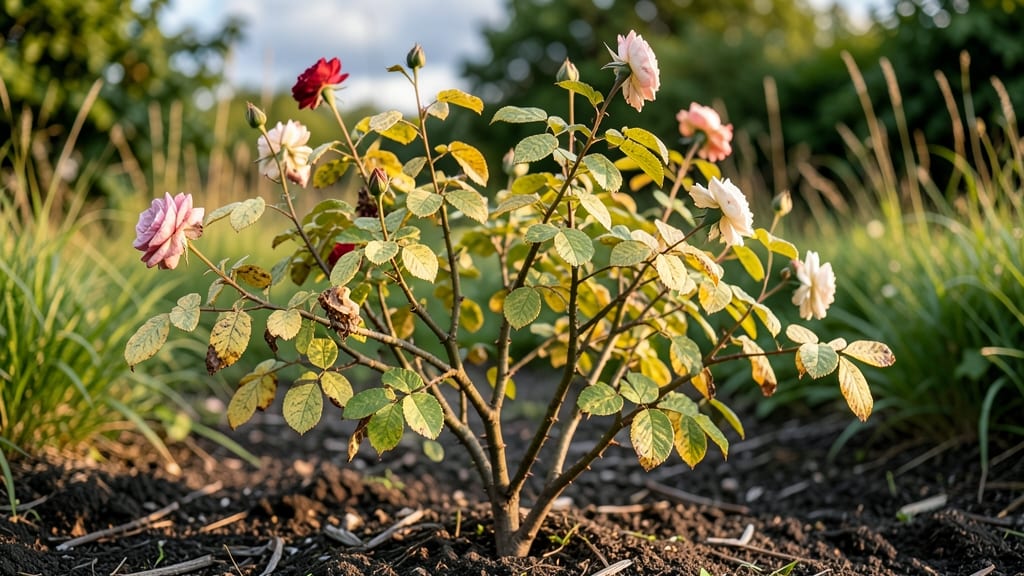
When your rose bush has yellow leaves, it’s not just a cosmetic issue—it’s a cry for help. 🌿 I’ve seen this happen after heavy rains, nutrient depletion, or even overzealous watering, and the good news is most fixes take less than an hour once you know what to look for.
The key is acting fast before the problem spreads to the whole plant.
Yellow leaves usually point to one of three culprits: overwatering (roots drowning in soggy soil), nutrient deficiency (like nitrogen or iron starvation), or fungal stress (think black spot or powdery mildew).
I’ve diagnosed all three in my own garden, and the solutions are surprisingly simple—once you rule out the wrong ones. Start by checking the soil moisture with your finger: if it’s damp 2+ inches down, you’re likely overwatering.
For nutrient fixes, a balanced 10-10-10 fertilizer (applied every 4-6 weeks) works wonders, but iron-deficient roses need chelated iron—I’ve seen them bounce back in 7-10 days with the right treatment.
Fungal issues? Prune affected leaves immediately and spray with neem oil or copper fungicide. The goal is to stop the yellowing at the source before it weakens the whole bush.
Here’s the thing—most yellow leaves are reversible if caught early. I’ve nursed back bushes that looked doomed with these exact steps, and the before/after difference is shocking. Let’s troubleshoot your specific case step by step so you can get those leaves back to a vibrant, healthy green.
Root Causes Behind Leaf Discoloration
When your rose bush starts sporting yellow leaves instead of its usual vibrant green, it’s often a cry for help—your plant is trying to tell you something important. Understanding the why behind the discoloration is the first step to saving your roses.
Below, we break down the most common culprits, backed by science, so you can diagnose and act fast.
Yellow leaves can signal root stress, and one of the biggest offenders is overwatering. Roses thrive in well-draining soil, but when roots sit in soggy conditions, they suffocate and can’t absorb oxygen or nutrients efficiently. This leads to:
- Chlorosis (yellowing between leaf veins) due to iron deficiency—even though the soil may have iron, the roots can’t access it.
- Fungal infections (like Phytophthora) that thrive in waterlogged soil, further weakening the plant.
- Root rot, where roots decay and can no longer support the bush.
💡 Pro Tip: Stick your finger 2 inches into the soil—if it’s damp, wait before watering. Amend heavy clay soil with perlite or sand to improve drainage, and ensure pots have drainage holes.
Roses love sunlight, but too much intense sun—especially after a sudden transplant or in hot climates—can cause sun scorch. Yellowing often appears on leaves exposed to harsh afternoon rays, particularly on the upper or outer leaves. Other environmental stressors include:
- Wind damage (desiccation), where leaves lose moisture faster than roots can replenish it.
- Temperature extremes (frost or heat waves), which disrupt cellular processes.
- Salt buildup from tap water or fertilizers, burning roots and leaves.
🌡️ Fix It: Provide afternoon shade with a lightweight shade cloth (30–50% block) during peak sun. Mulch with straw or wood chips to regulate soil temperature and retain moisture.
Yellow leaves often point to a nutritional imbalance, particularly deficiencies in nitrogen, iron, or magnesium. Here’s how to spot them:
| Nutrient Deficiency | Leaf Symptoms | Quick Fix |
|---|---|---|
| Nitrogen (N) | Uniform yellowing (pale green to yellow) across older leaves first. | Apply a balanced fertilizer (10-10-10) or compost. Avoid over-fertilizing, which can burn roots. |
| Iron (Fe) | Yellowing between veins (chlorosis) on new leaves; veins stay green. | Use an iron chelate or sulfur-based fertilizer. Test soil pH—iron is less available in alkaline soil (pH > 7.0). |
| Magnesium (Mg) | Yellow patches or interveinal yellowing on older leaves; veins stay green. | Apply Epsom salt (magnesium sulfate)—dissolve 1 tbsp in a gallon of water and spray foliage or soil. |
| Potassium (K) | Yellowing or brown edges on older leaves; weak stems. | Use a potassium-rich fertilizer (like 0-0-50) or wood ash (sparingly). |
✨ Remember: Always test your soil (pH and nutrient levels) before guessing—overcorrecting can harm roses faster than the deficiency!
Not all yellow leaves are due to environmental factors—pests and diseases can also be the culprits. Watch for these red flags:
- Spider mites: Tiny webs on undersides of leaves + speckled yellowing.
- Aphids: Sticky residue (honeydew) + curled, yellowing leaves.
- Black spot fungus: Dark spots with yellow halos; leaves may drop.
- Powdery mildew: White powdery coating + yellowing, especially in humid conditions.
🔥 Act Fast: Blast pests off with a strong spray of water or use neem oil (1 tsp per quart of water). For fungal issues, apply copper fungicide or baking soda spray (1 tbsp baking soda + 1 quart water + a drop of dish soap). Prune infected leaves below the spot to prevent spread.
If your rose bush recently moved or had its roots disturbed (e.g., during digging or pruning), yellow leaves can signal transplant shock. Roots take time to establish, and the plant may drop leaves to conserve energy. Look for:
- Yellowing across the entire bush, not just specific leaves.
- Wilting or drooping stems despite watering.
- Slow growth or no new blooms.
👨🍳 Recovery Steps:
- Water deeply but infrequently to encourage root growth.
- Avoid fertilizing for 4–6 weeks—let roots recover first.
- Mulch heavily (3–4 inches) with organic mulch to protect roots and retain moisture.
Revive Your Rose Bush Now
Yellowing leaves on your rose bush don’t have to mean the end of its blooming days! With the right approach, you can diagnose the root cause and restore your plant’s health.
Below, we’ve mapped out practical, step-by-step solutions tailored to each common issue—plus prevention tips to keep your roses lush and vibrant for seasons to come.
---
If your rose bush is suffering from a lack of essential nutrients, here’s how to correct it fast:
#### 🍃 Iron Chlorosis (Yellow Leaves with Green Veins) Cause: Low iron or poor soil pH (too alkaline). Fix: - Apply iron supplements 🔥: Use a chelated iron product (like iron sulfate or iron chelate) and follow the label instructions.
Sprinkle it around the base of the plant and water thoroughly. - Lower soil pH 🍳: Test your soil’s pH (ideal for roses: 6.0–6.5).
If it’s too high, mix in sulfur or peat moss into the top 6 inches of soil. - Use compost tea 👨🍳: Brew compost tea (rich in micronutrients) and water your roses with it weekly for 2–3 weeks.
Prevention Tip: 💡 Mulch with acidic materials (like pine needles or oak leaves) to maintain soil acidity.
---
#### 💧 Nitrogen Deficiency (Pale Yellow Leaves) Cause: Not enough nitrogen in the soil. Fix: - Add organic nitrogen 🥘: Use blood meal, fish emulsion, or well-rotted manure (like cow or chicken manure).
Work it into the top 2–3 inches of soil. - Use a balanced fertilizer ⏰: Switch to a 10-10-10 or 20-20-20 fertilizer (equal parts nitrogen, phosphorus, potassium) and apply every 4–6 weeks during growing season. - Side-dress with compost 🔪: Spread a 1-inch layer of compost around the base of the plant (but avoid touching the stem) and water deeply.
Prevention Tip: ✨ Test soil annually—nitrogen levels drop over time, especially after heavy blooming.
---
Yellow leaves can also signal overwatering or poor drainage, which stresses roots.
#### 💦 Overwatering (Yellow, Wilting Leaves) Fix: - Check soil moisture 🌡️: Stick your finger 2 inches into the soil—if it’s soggy, hold off on watering.
Roses prefer deep but infrequent watering. - Improve drainage 🎯: Amend heavy clay soil with perlite, sand, or compost to help water drain faster. - Water at the base 💧: Avoid wetting leaves (to prevent fungal diseases) and water early in the morning so foliage dries quickly.
Prevention Tip: 🔥 Use drip irrigation instead of overhead sprinklers to keep roots happy and leaves dry.
---
#### ☀️ Underwatering (Dry, Crispy Yellow Edges) Fix: - Water deeply 1–2 times per week 🌊: Roses need 1–2 inches of water per week, depending on climate.
Water until the soil is moist 6 inches down. - Mulch heavily 🥗: Apply 3–4 inches of mulch (wood chips, straw) to retain moisture and regulate soil temperature. - Adjust watering schedule ⏰: If your area has hot, dry spells, increase frequency slightly but ensure water penetrates deeply.
Prevention Tip: 💡 Group roses together in your garden to create a "microclimate" that retains moisture longer.
---
If yellowing is caused by fungal infections or pests, act quickly to stop the spread.
#### 🍄 Black Spot or Powdery Mildew (Yellow Spots with Fungal Growth) Fix: - Prune infected leaves 🔪: Remove all yellow or spotted leaves and destroy them (don’t compost!).
Sterilize pruners with rubbing alcohol. - Apply fungicide 🛡️: Use a copper-based or neem oil spray (follow label rates) every 7–10 days until the issue clears. - Improve airflow 🌬️: Thin out crowded branches and space plants 3–4 feet apart to reduce humidity around leaves.
Prevention Tip: 🌡️ Water in the morning and avoid wetting foliage to discourage fungal growth.
---
#### 🐜 Aphids or Spider Mites (Sticky Leaves + Yellowing) Fix: - Blast off pests 💦: Spray roses with a strong stream of water to knock off aphids. - Use insecticidal soap 🧼: Mix 1 tbsp mild dish soap + 1 quart water and spray every 3–4 days until pests are gone. - Introduce beneficial insects 🐞: Ladybugs and lacewings eat aphids naturally—buy them from garden centers or attract them with neem oil sprays.
Prevention Tip: ✨ Encourage natural predators by planting marigolds or dill nearby—they repel pests!
---
Regardless of the cause, these quick maintenance tips will help your rose bush bounce back:
- Prune properly 🌸: Cut back dead or diseased branches in late winter/early spring to improve airflow. - Fertilize seasonally 📅: - Spring: High-nitrogen for foliage growth. - Summer: Balanced fertilizer for blooms. - Fall: Low-nitrogen, high-phosphorus to strengthen roots. - Avoid over-fertilizing 🚫: Too many chemicals can burn roots—follow package instructions!
--- Final Pro Tip: 🎯 Observe your roses weekly—catching yellowing early means faster fixes and happier blooms! With these solutions, your rose bush will be back to its vibrant, healthy self in no time. 🌹✨
Frequently asked questions
Why do rose bush leaves turn yellow only between the veins?
This classic symptom is called iron chlorosis, where the plant can't access iron despite it being in the soil. It often happens in alkaline soil (pH > 7.0) or when roots are waterlogged. Try applying chelated iron and testing your soil pH—roses thrive at 6.0-6.5.
Can I save a rose bush with completely yellow leaves?
It depends! If only a few leaves are yellow, prune them and treat the underlying cause (like nutrient deficiency or pests). But if most leaves are yellow and the bush looks weak, it may be struggling with root rot or severe disease. In that case, consult a local nursery—they can help determine if revival is possible.
How often should I fertilize a rose bush with yellow leaves?
Start with a balanced fertilizer (10-10-10) every 4-6 weeks during growing season (spring to fall). If you suspect a specific deficiency (like nitrogen or iron), use targeted amendments first. Over-fertilizing can burn roots, making yellowing worse—always follow package instructions!
Will Epsom salt help my rose bush's yellow leaves?
Yes, but only if the issue is magnesium deficiency—look for yellow patches between veins on older leaves. Mix 1 tablespoon Epsom salt per gallon of water and spray it on foliage or soil monthly. For other deficiencies (like iron), Epsom salt won't help—use chelated iron instead.
Can yellow leaves spread to other plants in my garden?
Not directly, but fungal diseases (like black spot) or pests (such as spider mites) can jump to nearby plants. Prune infected leaves immediately, sterilize your tools with rubbing alcohol, and isolate affected bushes until they recover. Healthy roses act as barriers—plant them strategically to protect other flowers!