
Pruning
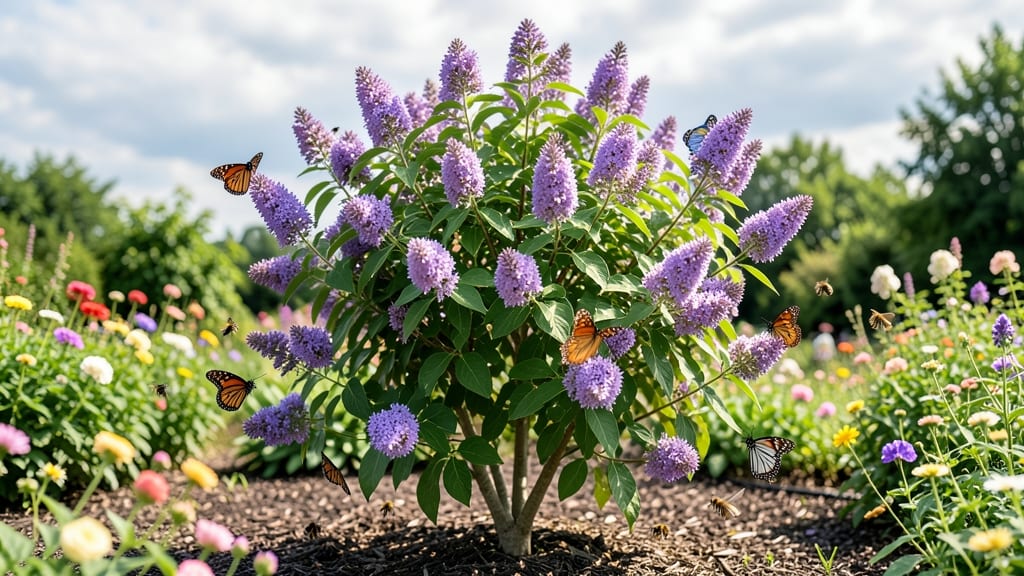
Your garden could become a butterfly bush attraction this summer with these vibrant shrubs. 🌸 These colorful plants don’t just draw butterflies—they turn your yard into a living tapestry of color and life, from early blooms to late-season flurries of wings.
The secret lies in placement, pruning, and the right companions to keep them blooming all season long.
Start by planting butterfly bushes in full sun where they’ll get at least 6 hours of light daily. Near water sources or nectar-rich flowers like coneflowers and bee balm, they’ll thrive and draw even more pollinators.
Prune them back in late winter to encourage fresh, bushy growth, and watch them explode with purple, pink, or white blooms by spring.
By summer, your garden will buzz with activity—monarchs, swallowtails, and hummingbirds all vying for the sweet nectar. The blooms stay vibrant longer when you deadhead spent flowers, and the shrubs add height and texture to borders or as standalone focal points.
It’s not just about beauty; it’s about creating a thriving ecosystem right in your backyard.
For year-round appeal, pair them with evergreens or seasonal flowers like asters and goldenrod. The contrast keeps your garden lively through every season, and the butterflies will keep coming back. Ready to transform your space into a pollinator paradise? Let’s get planting!
📚 In This Guide
- What you need
- Instructions
- Tips and common mistakes
- Wrapping up and next steps
What you need
- ● Butterfly bush plants: Choose 1–3 Buddleia varieties (e.g., 'Lo & Behold® Series' for compact growth or 'Black Knight' for dramatic foliage). Opt for 1–2 gallon containers for mature plants or bare-root seedlings for new growth.
- ● Well-draining soil: Mix native soil with compost (ratio: 3 parts soil to 1 part compost). For heavy clay, add perlite or sand (1 part per 4 parts soil).
- ● Pruning tools: Bypass pruners: Sharp, bypass-style (not anvil) for clean cuts on stems ½ inch thick or smaller.
- ● Loppers: For thicker branches (¾ inch–1.5 inches), with bypass blades.
- ● Pruning saw: For stubborn, 2+ inch branches.
- ● Gloves: Heavy-duty gardening gloves (nitrile-coated for grip and protection).
- ● Disinfectant: 70% isopropyl alcohol or bleach solution (1 part bleach to 9 parts water) to sterilize tools between cuts.
- ● Fertilizer: Slow-release, low-phosphorus fertilizer (e.g., 10-10-10 or organic compost tea) to encourage blooms without excessive foliage.
- ● Mulch: 2–3 inches of organic mulch (e.g., shredded bark or wood chips) to retain moisture and suppress weeds.
- ● Stakes or cages: For young plants, use 3–4 ft bamboo stakes or wire plant cages to support growth.
- ● Butterfly-friendly plants: Pair with neighborhood pollinators like milkweed, coneflowers, or bee balm (1–2 additional plants per bush).
- ● Watering can or hose: With a gentle spray nozzle for post-pruning hydration.
- ● Sunlight: Ensure your butterfly bush gets full sun (6+ hours/day) or partial sun (4–6 hours) for optimal blooming.
- ● Spacing: Plant bushes 6–10 feet apart (depending on variety) for airflow and growth.
- ● Timing: Prune late winter/early spring (before buds swell) or right after flowering to shape and encourage new growth.
How to create a butterfly bush attraction that draws hummingbirds
Here’s the method I’ve used for years to turn my garden into a hummingbird magnet—starting with the right butterfly bush varieties.
🌱 Step 1: Select the Right Butterfly Bush Varieties
Not all butterfly bushes attract pollinators equally. Choose Buddleia davidii varieties known for their nectar-rich blooms, like 'Black Knight' (deep purple) or 'Pink Delight' (soft pink flowers). These varieties bloom prolifically from mid-summer to frost, giving hummingbirds a long-season food source.
I always plant at least three bushes of different colors—purple, pink, and white—to create a visual feast that keeps hummingbirds lingering. The more colors, the more activity you’ll see. Avoid dwarf varieties; hummingbirds prefer taller bushes (4-6 feet) where they can hover easily.
☀️ Step 2: Plant in Full Sun with Well-Draining Soil
Butterfly bushes thrive in full sun (6+ hours daily) and well-draining soil—critical for preventing root rot, which can weaken plants and reduce flowering. Amend heavy clay soil with compost or sand to improve drainage. I dig in a 2-inch layer of compost at planting time to give roots a nutrient boost.
Dig a hole twice as wide as the root ball but only as deep. Position the bush so the top of the root ball sits level with the surrounding soil. Water deeply before backfilling to eliminate air pockets. Mulch with 2-3 inches of shredded bark to retain moisture and suppress weeds.
💧 Step 3: Water Deeply and Prune Strategically
Water newly planted bushes deeply once a week for the first two months to encourage deep root growth. Once established, they’re drought-tolerant, but wilting leaves signal it’s time to water again. I always check soil moisture by sticking my finger 2 inches down—if it’s dry, it’s time to water.
Prune in late winter or early spring before new growth appears. Cut back one-third of the previous year’s growth to encourage bushier, more productive blooms. Remove any dead or crossing branches to improve airflow and reduce disease risk. Avoid heavy pruning in fall—it stimulates tender new growth that won’t survive winter.
✂️ Step 4: Deadhead and Fertilize for Continuous Blooms
Deadhead spent flowers every 2-3 weeks during the blooming season to redirect the plant’s energy into producing more flowers. I pinch off faded blooms with my fingers—no need for pruners. This simple step extends the blooming season by 4-6 weeks and keeps hummingbirds visiting longer.
Fertilize in early spring with a balanced, slow-release fertilizer (10-10-10). Apply ½ cup per bush and water thoroughly. Avoid high-nitrogen fertilizers—they promote leafy growth at the expense of flowers. I also top-dress with compost in fall to replenish nutrients naturally.
🪴 Step 5: Add Companion Plants for Extra Pollinator Appeal
Plant bee balm, coneflowers, or salvia nearby to create a pollinator buffet. These perennials bloom at different times, ensuring nectar is always available. I also include native milkweed to support monarch butterflies, which share the same habitat as hummingbirds.
Keep the area weed-free—invasive plants like mint or creeping Charlie can outcompete your butterfly bush. A 3-foot radius of mulch around each bush suppresses weeds while retaining moisture. Avoid pesticides entirely; even "organic" sprays can harm pollinators. Let nature do the work—your butterfly bush will thrive with minimal intervention.
Tips & tricks for perfect butterfly bush attraction
Transforming your garden into a hummingbird haven takes more than just planting—it’s about creating an ecosystem that thrives. Here’s what I’ve learned after years of watching these tiny visitors flock to my butterfly bushes.
Variety is Key: While 'Black Knight' and 'Pink Delight' are my go-to varieties, don’t overlook 'Lo & Behold'—this variety produces flowers from spring until frost, giving hummingbirds an extended banquet. I’ve noticed that planting at least three different colors creates a visual magnet that hummingbirds can’t resist. The more variety, the more activity you’ll see throughout the day, as different species prefer different colors.
Soil Prep Makes All the Difference: Before planting, I always mix a 50-50 blend of compost and native soil into the planting hole. This improves drainage while providing essential nutrients. For heavy clay soils, add a handful of perlite to prevent compaction. The goal is to mimic the well-draining conditions these bushes love in their native habitats—this simple step can mean the difference between a struggling plant and one that thrives.
Pruning Timing is Everything: The instructions mention pruning in late winter, but I’ve found that waiting until just before new growth appears—when you see tiny buds forming—gives you the perfect window. This ensures you’re not cutting back any emerging flowers. I also recommend sterilizing your pruners with rubbing alcohol between cuts to prevent spreading disease. The cleaner your cuts, the healthier your plant.
Companion Planting Strategy: While bee balm and coneflowers are excellent companions, I’ve had great success adding Russian sage to my pollinator gardens. Its long blooming season and drought tolerance make it a perfect partner for butterfly bushes. The key is to space these plants about 3-4 feet apart so they don’t compete for nutrients or space. This creates a layered effect that attracts a wider variety of pollinators.
Pro Tips for Butterfly Bush Attraction
- Transforming your garden into a hummingbird haven takes more than just planting—it’s about creating an ecosystem that...
- Variety is Key: While 'Black Knight' and 'Pink Delight' are my go-to varieties, don’t overlook 'Lo & Behold'—this var...
- Soil Prep Makes All the Difference: Before planting, I always mix a 50-50 blend of compost and native soil into the p...
Frequently asked questions
Got questions about maximizing your butterfly bush attraction? You’re not alone! Here are answers to the most common queries—from timing tips to troubleshooting—so you can keep those wings (and hummingbirds!) fluttering around all season.
When is the best time to plant a butterfly bush for maximum attraction?
Plant your butterfly bush in early spring (after the last frost) or fall (4-6 weeks before the first frost). This gives roots time to establish before extreme temperatures. For instant attraction, choose established plants with blooms—just avoid planting in summer heat, which can stress young bushes.
Why aren’t hummingbirds or butterflies visiting my butterfly bush?
Check these quick fixes:
- Timing: Butterfly bushes bloom late summer to fall—hummingbirds may have migrated. Plant early-blooming varieties (like ‘Purple Smoke’) to extend the season.
- Location: Place it in full sun (6+ hours/day) and near water sources (hummingbirds love fountains!).
- Deadheading: Trim spent blooms to encourage continuous flowering.
- Pesticides: Skip chemical sprays—opt for neem oil if pests appear.
How often should I prune my butterfly bush to keep it blooming?
Prune twice a year for peak performance:
- Late winter/early spring: Cut back 1/3 of the plant to old wood (brown stems) to encourage new growth and blooms.
- After blooming (fall): Lightly trim to shape and remove dead flowers. Avoid heavy pruning—it can reduce next year’s flowers.
Are there butterfly bush alternatives that attract more pollinators?
Try these low-maintenance, high-attraction plants:
- Butterfly weed (Asclepias tuberosa): Native milkweed that’s a monarch butterfly magnet and drought-tolerant.
- Coneflower (Echinacea): Blooms summer to fall, loved by bees and butterflies.
- Russian sage (Perovskia): Drought-resistant with long-lasting purple spikes that hummingbirds adore.
- Salvia (e.g., ‘May Night’): Hummingbird favorite with vibrant purple blooms.
Combine these with your butterfly bush for a pollinator paradise!
My butterfly bush leaves are turning yellow—what’s wrong?
Yellow leaves usually signal overwatering, underwatering, or nutrient issues. Try this:
- Check soil moisture: Stick your finger 1–2 inches deep—water if dry, but avoid soggy soil.
- Drainage: Ensure pots have holes or amend heavy soil with compost.
- Fertilizer: Use a balanced, slow-release fertilizer in spring. Too much nitrogen = fewer blooms!
- Pests: Inspect for aphids or spider mites (spray with soapy water if needed).
If yellowing persists, it may be a fungal issue—prune affected areas and improve airflow.
Wrapping up and next steps
Transforming your yard into a butterfly bush attraction isn’t just about beauty—it’s about creating a thriving ecosystem that hummingbirds and pollinators will adore. With the right pruning techniques, you’ll enjoy year-round color and a garden that buzzes with life. 🌸
Ready to take the next step? Start by scheduling your first pruning session this spring and watch as your butterfly bush becomes the star of your garden. Share your progress with fellow gardening enthusiasts—your vibrant blooms might just inspire others to join the movement!