
Landscaping
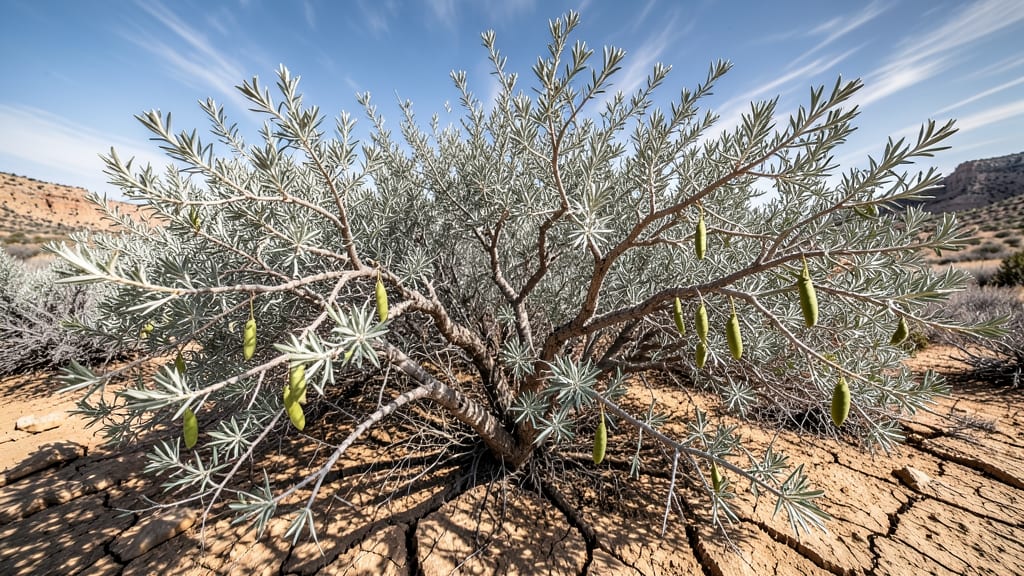
Pennsylvania’s cold winters and variable climate demand hardy bushes that provide privacy year-round. These 10 cold-resistant shrubs thrive in PA’s zones, offering evergreen coverage, seasonal color, and low-maintenance growth for any landscape.
Emerald Green Arborvitae for Dense Evergreen Privacy
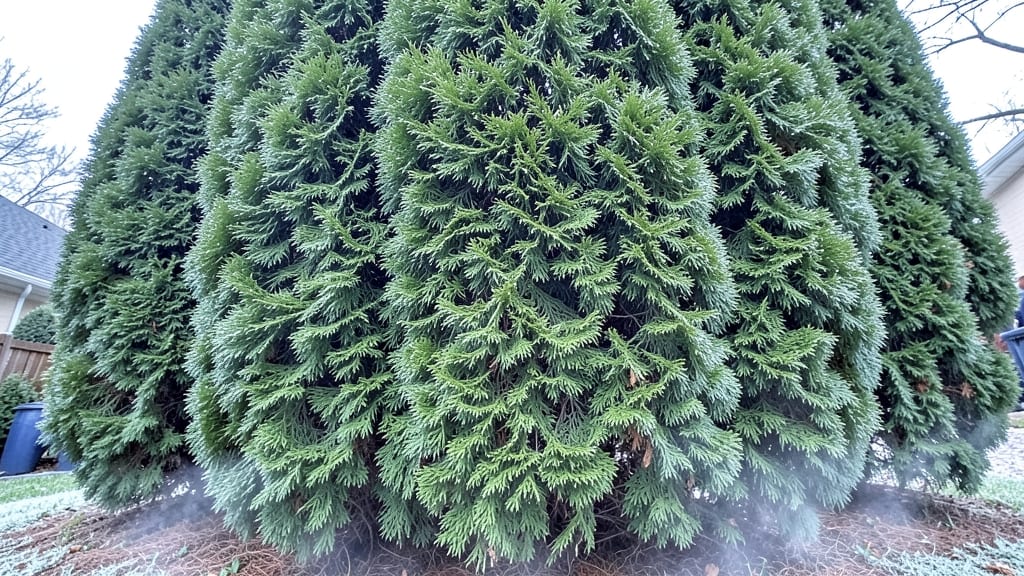
Tired of winter winds whipping through your yard or neighbors' conversations drifting into your space? The Emerald Green Arborvitae is Pennsylvania's secret weapon for year-round privacy, growing up to 3 feet per year while staying disease-resistant even in harsh winters.
This evergreen thrives in full sun to partial shade, tolerates both wet and dry soil, and forms a dense, wind-blocking hedge when planted 3-4 feet apart. Its vibrant green foliage holds up beautifully under snow, and its natural shape requires minimal pruning—just a light trim in early spring to maintain its neat appearance.
Perfect for urban backyards, suburban lots, or even as a living fence, this arborvitae delivers instant privacy while requiring less maintenance than many alternatives. It's the ideal choice for busy gardeners who want a low-fuss, high-impact solution. 🌿
Winter King Holly for Year-Round Colorful Foliage
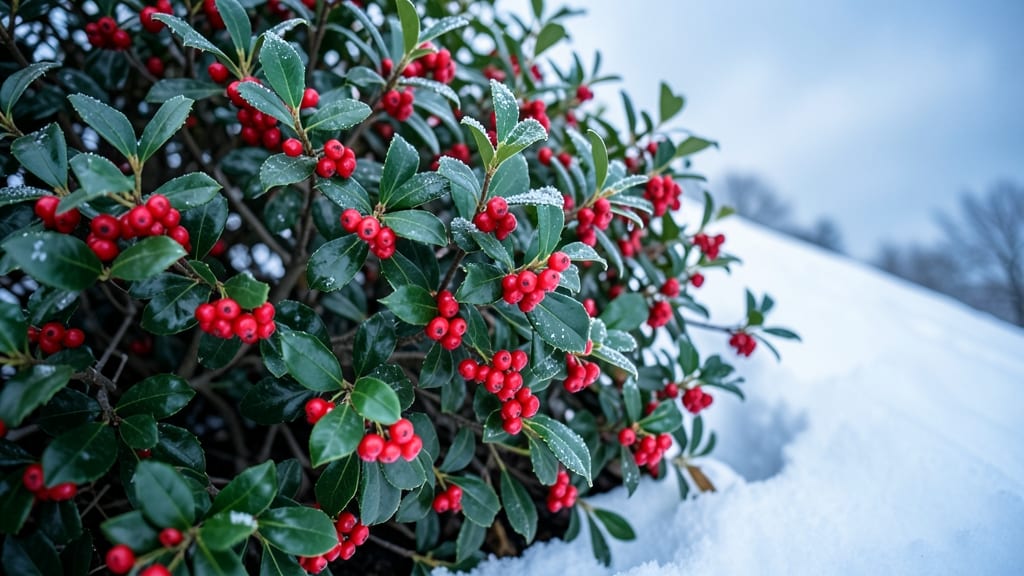
Looking for a year-round pop of color that thrives in Pennsylvania’s snowy winters? The Winter King Holly delivers with its glossy dark green leaves and striking bright red berries, creating a bold contrast against white snow. Unlike other evergreens, this holly stays vibrant through all four seasons, making it a standout for formal hedges and wildlife-friendly landscapes.
This cold-hardy shrub (zones 5-9) handles PA’s harsh winters with ease and attracts birds with its berries, which persist even after frost. Plant in full sun to partial shade with well-drained soil, and space bushes 6-8 feet apart for a dense, structured hedge. Prune lightly in late winter to maintain shape—just avoid cutting into old wood, as holly struggles to regrow there.
Perfect for gardeners who want low-maintenance yet dramatic foliage, Winter King Holly is ideal for formal gardens, foundation plantings, or even as a standalone specimen. Its year-round interest ensures your landscape stays lively, no matter the season. 🌟
Dwarf Fothergilla for Fragrant Spring Blooms
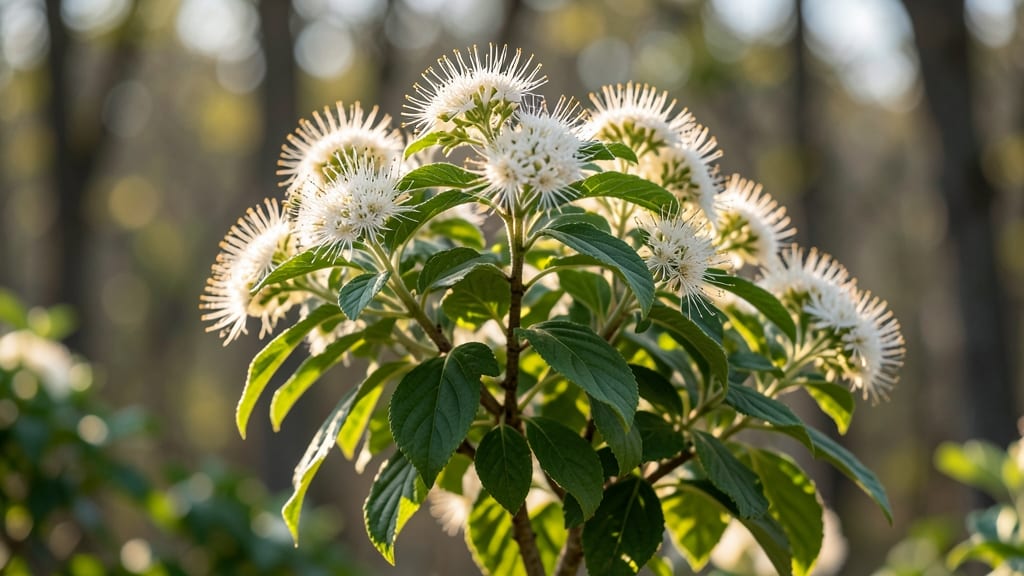
If you’re craving a fragrant spring display without the fuss of high-maintenance shrubs, dwarf fothergilla (Fothergilla gardenii) is your perfect match. This native Pennsylvania beauty blooms with showy white bottlebrush flowers in late spring, filling your garden with a delicate, spicy fragrance that attracts pollinators.
Unlike many shrubs, dwarf fothergilla thrives in acidic, well-draining soils common in PA’s woodlands, making it ideal for understory plantings or foundation borders. Its fire-engine red fall foliage adds a dramatic finale to the season, and its compact size (3–4 feet tall and wide) means it won’t outgrow small spaces. Plus, its non-invasive roots won’t disrupt nearby plants or hardscapes.
This shrub is a beginner’s dream—just plant it in full sun to partial shade, water occasionally, and enjoy its effortless beauty year after year. 🌟
Inkberry Holly for Salt-Tolerant Coastal Privacy
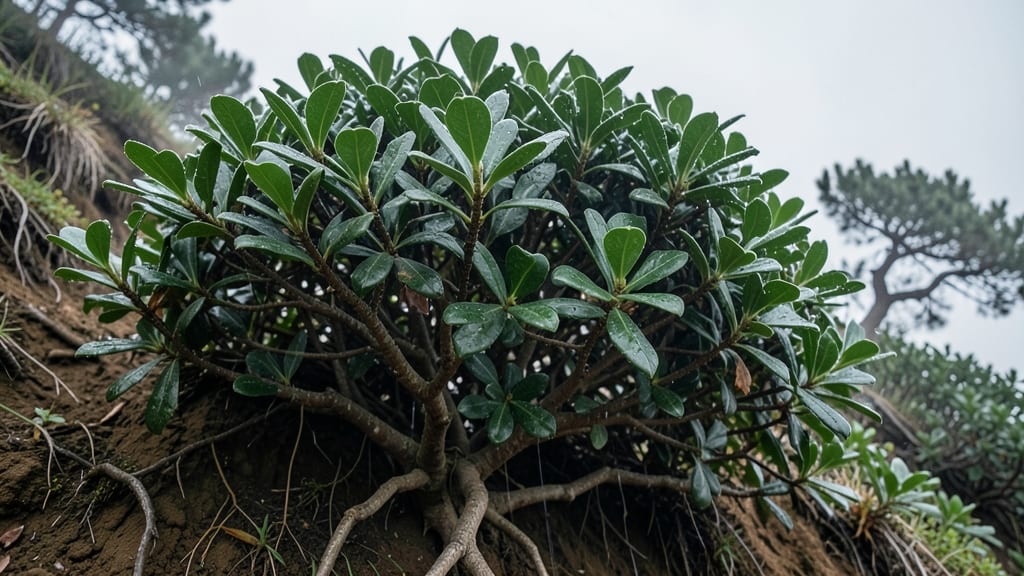
If you're looking for a low-maintenance evergreen that thrives in tough conditions—like coastal salt spray or urban pollution—inkberry holly (Ilex glabra) is your answer. This native shrub handles what other plants can’t, making it ideal for erosion-prone areas or tight spaces where other bushes struggle.
Inkberry holly’s glossy black leaves provide year-round privacy with minimal pruning, and its drought-tolerant nature means less watering once established. It grows 3–6 feet tall, perfect for hedges or foundation plantings, and its female varieties produce small black berries that birds love. Plant it in full sun to partial shade and watch it thrive even in challenging soils.
This is the go-to choice for gardeners in coastal PA or urban areas with pollution—no fuss, just reliable, lush foliage. 💚
Panicle Hydrangea for Late-Summer Color Explosion
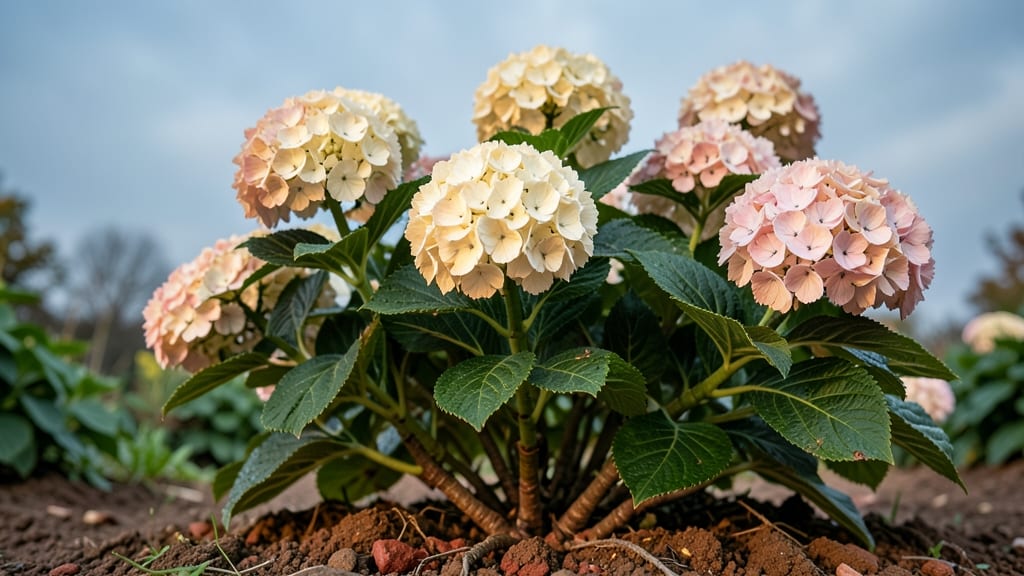
When your garden needs a dramatic late-season show, panicle hydrangea delivers with its bold, fluffy blooms that last from summer until frost. Unlike other hydrangeas, this variety thrives in Pennsylvania’s clay-heavy soils and handles cold snaps down to zone 3, making it a standout for both urban and rural landscapes.
These hydrangeas bloom on new wood, so prune in late winter or early spring to encourage fresh growth and larger flowers. Choose varieties like Limelight for chartreuse blooms or Little Lime for compact, lemon-hued flowers—both adapt beautifully to PA’s climate. They also attract pollinators and add texture to mixed borders.
Perfect for gardeners who want low-maintenance color without sacrificing hardiness, panicle hydrangeas are ideal for foundation plantings or as focal points in garden beds. 🌻
Boxwood for Formal Hedges and Topiary
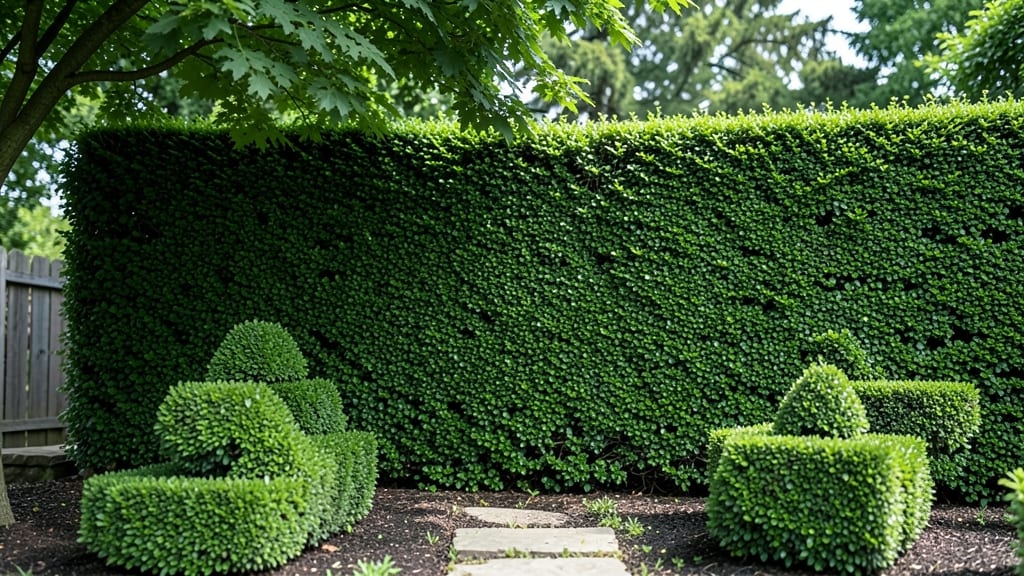
Need a timeless, structured hedge that requires minimal fuss? Boxwood delivers unmatched elegance with its dense, compact growth, perfect for shaping into formal hedges or intricate topiary designs that last for decades.
This classic evergreen thrives in PA’s partial shade and handles drought once established, making it ideal for urban gardens or shady corners. Prune lightly in late spring to encourage bushier growth, and watch as its glossy leaves create a polished, green backdrop year-round. With fewer pest issues than many shrubs, boxwood is the low-maintenance choice for gardeners who want structure without the upkeep.
Whether you're framing a pathway or crafting a sculptural topiary, boxwood’s versatility makes it a must-have for traditional landscapes. 🌿
Witch Hazel for Late Winter Blooms
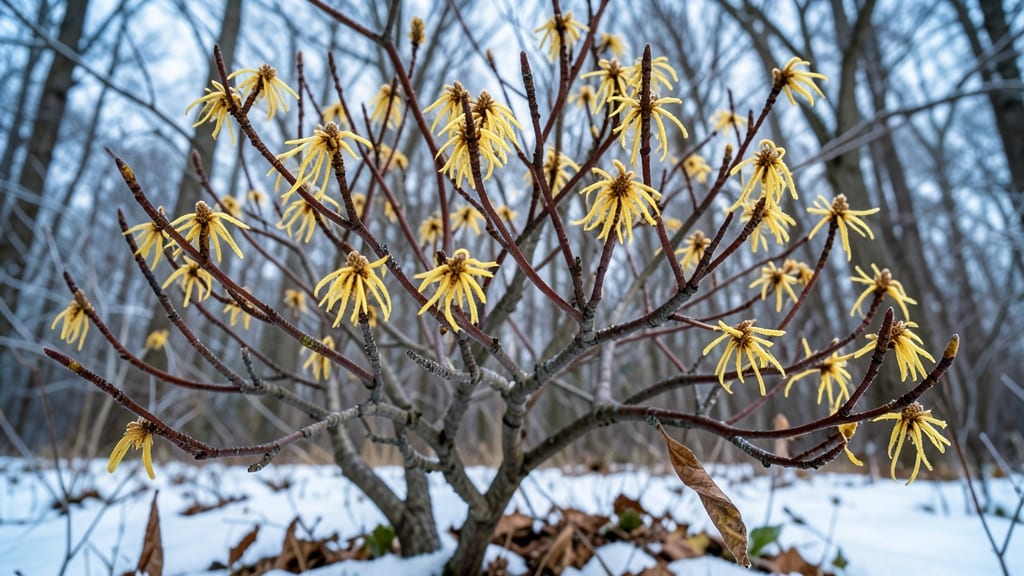
When winter’s grip tightens and most gardens lie dormant, witch hazel (Hamamelis) bursts into life with its delicate yellow ribbons of flowers, offering a rare splash of color in Pennsylvania’s coldest zones. This native shrub thrives in USDA zones 3-8, making it ideal for PA’s harsh winters, and its late-winter blooms (January-March) provide a vital food source for early pollinators like bees.
Plant witch hazel in partial shade to full sun, where it naturally thrives in woodland edges or as a striking specimen. Its fragrant, spidery flowers contrast beautifully with snow, while its dark green leaves turn golden in fall. Prune lightly after flowering to maintain shape, and enjoy its low-maintenance nature—it tolerates both dry and moist soils once established.
Perfect for gardeners seeking year-round interest or wildlife-friendly landscapes, witch hazel adds drama without the fuss of high-maintenance shrubs. 🌻
Dwarf Lilac for Fragrant Spring Privacy
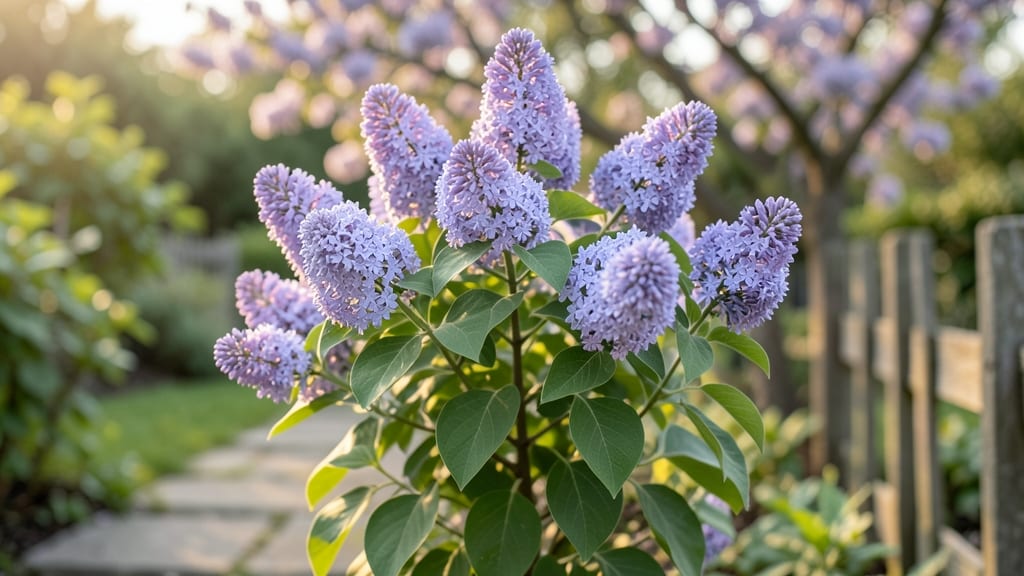
If you crave a fragrant springtime that fills your yard with intoxicating perfume without overwhelming space, dwarf lilac is your answer. This compact shrub—growing just 3-5 feet tall—packs the same iconic scent as its larger cousins but in a tidy package perfect for small gardens, foundation plantings, or even container growing.
Unlike many shrubs that demand acidic soil, dwarf lilac thrives in PA’s alkaline conditions, making it a standout for urban and suburban landscapes. Plant it in full sun to partial shade and water moderately during its first year to establish roots. Once settled, it’s drought-tolerant and requires only occasional pruning to maintain shape—ideal for busy gardeners. The purple blooms appear in late spring, attracting bees and hummingbirds while providing a natural privacy screen.
This low-maintenance shrub is especially rewarding for small-space gardeners or those seeking a fragrant focal point with minimal effort. Its cold hardiness (zones 3-7) ensures it survives PA winters, delivering years of effortless beauty. 🌷
Leucothoe for Shady Woodland Privacy
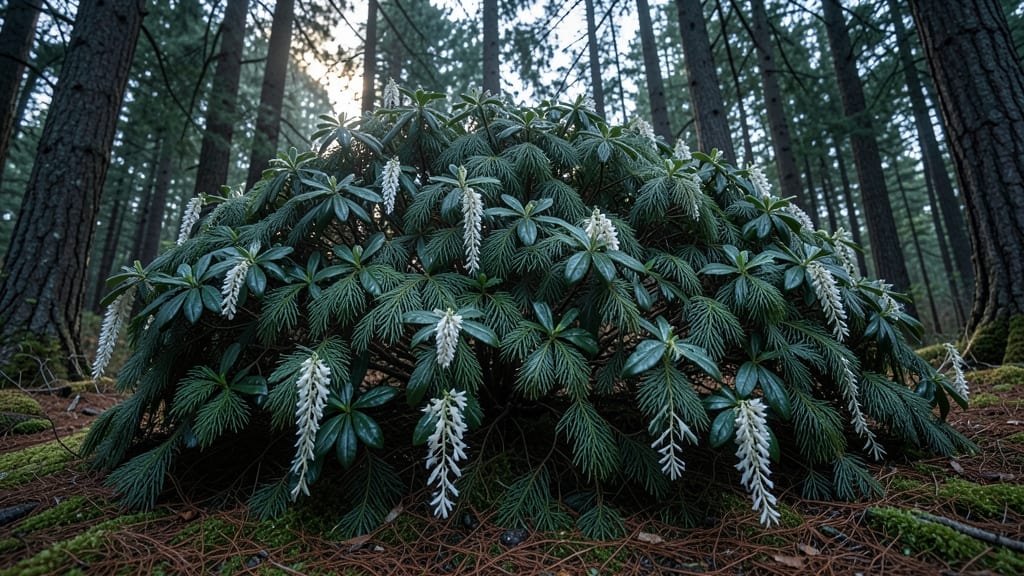
If your yard has shady spots where other shrubs struggle, leucothoe is the underrated hero you’ve been missing. This evergreen shrub thrives in PA’s acidic, wooded areas where sunlight barely reaches, offering lush foliage and delicate white blooms that cascade like nature’s own curtain.
With its dark, leathery leaves and fragrant spring flowers, leucothoe provides year-round interest without demanding constant pruning—just a light trim after blooming keeps it tidy. It’s perfect for creating natural privacy screens along fence lines or wooded property edges, where it can grow 3–6 feet tall while adapting to moist, well-drained soil.
Ideal for gardeners who love low-maintenance plants with high impact, leucothoe is especially great for those with shady backyards or woodland gardens. It’s a quiet beauty that rewards patience with effortless elegance. 🌿
Russian Olive for Drought-Tolerant Windbreaks

If you're battling dry, windy conditions in Pennsylvania's western or southwestern regions, Russian olive (Elaeagnus angustifolia) is your go-to shrub for creating a fast, natural windbreak. Unlike many shrubs, it thrives in poor, dry soils and tolerates full sun exposure, making it ideal for tough landscapes where other plants struggle.
This hardy, drought-tolerant shrub grows 6-10 feet tall and wide, forming a dense screen that blocks wind and noise while providing wildlife habitat with its silver-green foliage and small yellow flowers. Plant it in well-drained soil and space 10-15 feet apart to allow for its expansive growth. However, be cautious in ecologically sensitive areas, as it can spread aggressively outside its native range.
Perfect for rural properties, farm borders, or windy yards, Russian olive offers year-round structure and minimal maintenance once established. Just avoid planting near waterways to prevent unintended spread. 🌻