
Companion Plants
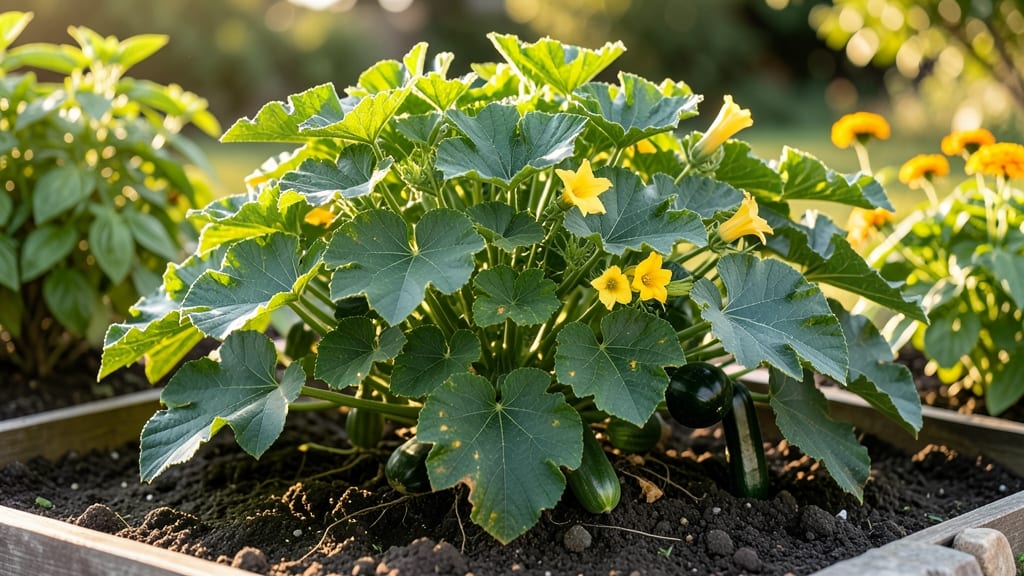
Bush zucchini plants turn tiny spaces into summer bounty without the sprawl. 🌱 I learned the hard way that compact varieties aren't just for small gardens—they're for anyone who wants fewer vines and more zucchini.
These plants produce 5-10 pounds of fruit per plant in just 45 days, all while staying neatly contained. The secret to their success starts with soil: rich, well-draining mix with compost worked in. They crave full sun (6+ hours daily) but tolerate partial shade better than vining types.
Water at the base—not overhead—to keep leaves dry and prevent mildew. A balanced fertilizer at planting and mid-season keeps them productive without going wild. You'll harvest 1-2 zucchinis per week once they start producing, and the best part? They keep giving until frost.
The plants stay compact (3-4 feet tall), so they fit neatly in raised beds, containers, or even between other vegetables. No more zucchini sprawling into the neighbor's yard—just tidy, productive plants.
For year-round growth in warm climates, extend the season with row covers or grow them in containers you can move indoors during cold snaps. The key is consistent moisture and a little extra care when temperatures dip. Ready to grow more zucchini with less fuss?
📚 In This Guide
- What you need
- Instructions
- Tips and common mistakes
- Wrapping up and next steps
What you need
- ● Bush zucchini seeds or seedlings: Choose compact varieties like ‘Eight Ball’ or ‘Patio Star’ (3–5 plants per family of 4).
- ● Well-draining potting mix or garden soil: 1–2 cubic feet per plant (amend with compost for fertility).
- ● Containers or garden bed: For containers: 5-gallon pots (minimum) or larger (bush types thrive in 12–18 inches of depth).
- ● For in-ground: Full sun (6+ hours/day) and space 2–3 feet apart.
- ● Organic fertilizer: Balanced 10-10-10 or compost tea (mix 1 tbsp per gallon of water).
- ● Mulch: Straw or shredded leaves (2–3 inches thick) to retain moisture.
- ● Gloves & hand trowel (for planting/seeding).
- ● Watering can or hose with gentle nozzle (avoid wetting leaves).
- ○ Pruning shears (optional, for removing yellow leaves).
- ○ Row covers or netting (optional, to deter pests like squash bugs).
- ○ pH test kit (optional, ideal soil pH: 6.0–7.0).
How to grow bush zucchini in compact spaces
Here's how I keep these prolific producers thriving in small gardens—no sprawling vines required.
🌱 Step 1: Choose the Right Variety and Planting Time
Select a bush zucchini variety like 'Eight Ball' or 'Patio Star'—these stay compact at 3-4 feet tall and 2-3 feet wide, perfect for containers or tight beds. Start seeds indoors 4-6 weeks before your last frost date if your growing season is short, or sow directly in warm soil when night temperatures stay above 55°F. I always wait until after the soil warms because cold soil slows germination and invites rot.
Plant seeds 1 inch deep in well-draining soil, spacing them 2-3 inches apart. If you're using containers, place 2-3 seeds per 5-gallon pot—just thin to the strongest seedling later. The key here is patience: germination takes 5-10 days, and rushing the process often leads to weak seedlings. Water lightly after planting, then wait until you see true leaves before watering again.
☀️ Step 2: Position for Sun and Warmth
Bush zucchini needs full sun (6-8 hours daily) to produce well, so choose the sunniest spot in your garden. In containers, move pots to follow the sun's arc if your space gets partial shade. I've found that even morning sun plus afternoon shade works, but you'll get fewer zucchini if the sun dips below 4 hours daily. Watch for yellowing leaves—this is your signal to move the plant closer to direct light.
Keep soil temperatures warm by using black plastic mulch or planting near dark-colored containers. If your spring is cool, consider a cloche or row cover for the first 2-3 weeks to accelerate growth. Once plants are established, they'll tolerate heat better than cold, so focus on keeping roots cool in summer by watering deeply in the morning to prevent soil overheating.
💧 Step 3: Water Deeply and Consistently
Water 1-2 inches per week, aiming for deep soakings rather than frequent shallow waterings. Bush zucchini has shallow roots, so moisture should penetrate the top 6 inches of soil. I water in the early morning to reduce evaporation and fungal risks. You'll know you're doing it right when the soil feels damp but not soggy down to your knuckles.
Mulch heavily with straw or shredded leaves to retain moisture and keep roots cool. Avoid wetting the leaves when watering—this invites powdery mildew, a common problem with zucchini. If you see yellowing leaves with white powder, switch to drip irrigation or water at the base only. Consistent moisture is critical: fluctuations cause blossom-end rot or bitter fruit.
✂️ Step 4: Harvest Regularly to Encourage Production
Start harvesting when zucchini are 6-8 inches long—this keeps plants productive and prevents overgrowth. Use a sharp knife or pruners to cut the fruit cleanly, leaving a small stem attached. I harvest every 2-3 days in peak season because unharvested zucchini saps energy from the plant. Watch for small, tender fruit—these are sweeter and less seedy than overgrown ones.
Remove any yellow or diseased leaves promptly to improve air circulation. If the plant gets leggy or flowers but doesn't set fruit, it might need more phosphorus-rich fertilizer (like 5-10-10). I side-dress with compost mid-season to give it a nutrient boost. The goal is to keep the plant busy producing, not storing energy in vines or leaves.
🌿 Step 5: Extend the Season with Simple Tricks
To grow bush zucchini year-round in warm climates, succession plant every 2-3 weeks after the first harvest. In cooler areas, use black plastic mulch or row covers to extend the season by 4-6 weeks in spring and fall. I've grown zucchini until first frost by covering plants with frost blankets at night—just remove them during the day for sunlight.
For containers, overwinter plants in a sunny, sheltered spot and reduce watering slightly. Prune back 1/3 of the foliage in late fall to redirect energy to roots. If you're in a frost-prone zone, dig up pots and store them in a garage or cold frame until spring. The key is to harvest before the first hard frost—zucchini won't survive freezing temperatures, but you can often get 2-3 harvests from a single plant if you time it right.
Tips & tricks for perfect compact zucchini growth
These simple strategies will help you maximize your harvest in limited garden space without the usual sprawl.
Variety Selection Matters: While 'Eight Ball' and 'Patio Star' are excellent choices for compact growth, don't overlook 'Bush Champion' or 'Raven' for even better disease resistance. The key is choosing varieties bred specifically for bush habits—regular zucchini varieties will still spread out. I've found that bush types produce just as prolifically but stay contained within their 3-4 foot height and 2-3 foot width, making them perfect for containers or small garden plots.
Soil Temperature Secret: The 55°F night temperature threshold mentioned in Step 1 is critical for germination, but soil temperature matters just as much. Use a soil thermometer to confirm your soil is at least 60°F before planting—cooler soil can delay germination by days. For cooler climates, consider using a heated seed mat for 2-3 days after planting to jumpstart growth. This extra warmth helps seeds break through the soil faster and establishes stronger seedlings that can handle transplanting better.
Container Planting Hack: When planting 2-3 seeds per 5-gallon pot as mentioned in Step 1, place the seeds in a small triangle formation rather than a straight line. This creates better airflow between plants and makes thinning easier. After the seedlings emerge, remove the weakest one first—leave the strongest seedling for at least 2 weeks before removing the second, as the remaining plant needs time to establish its root system. This staggered thinning reduces transplant shock.
Sunlight Optimization: The 6-8 hours of full sun requirement is non-negotiable, but you can maximize production with a little strategy. Place your containers on casters or use a dolly to move them throughout the day, following the sun's path. Even morning sun plus afternoon shade works, but if you notice leaves curling or yellowing, it's time to relocate. For indoor growing, supplement with grow lights for 12-14 hours daily—just make sure the lights are 6-12 inches above the plants to prevent legginess.
Pro Tips for Bush Zucchini Plants
- These simple strategies will help you maximize your harvest in limited garden space without the usual sprawl.
- Variety Selection Matters: While 'Eight Ball' and 'Patio Star' are excellent choices for compact growth, don't overlook 'Bush Champion' or 'Raven' for even better disease resistance.
- Soil Temperature Secret: The 55°F night temperature threshold mentioned in Step 1 is critical for germination, but soil temperature matters just as much.
Frequently asked questions
Got questions about growing bush zucchini plants? You’re not alone! Here are answers to the most common queries to help you cultivate thriving, space-saving zucchini with ease.
How long does it take for bush zucchini plants to produce fruit?
Bush zucchini typically start producing fruit 45–60 days after transplanting (or 50–65 days from seed). With consistent care—like proper watering and fertilization—they’ll reward you with plentiful harvests in just a few months!
Can bush zucchini survive winter in cold climates?
Bush zucchini are warm-season plants and won’t tolerate frost. In cold regions, grow them in containers and move them indoors or to a greenhouse during winter. Alternatively, plant them in spring and fall for shorter growing seasons.
What are the best companion plants for bush zucchini?
Pair bush zucchini with nasturtiums, marigolds, or beans to deter pests and improve growth. Avoid planting near potatoes or squash (to prevent disease spread). Companion planting boosts flavor and yield—win-win!
How do I prevent pests like squash bugs or aphids on bush zucchini?
Use neem oil or insecticidal soap for early infestations. Row covers can shield young plants, and handpicking pests (especially squash bugs) works well. Healthy soil and proper spacing also reduce stress, making plants less attractive to pests.
Can I grow bush zucchini in containers? If so, what size pot do I need?
Bush zucchini thrive in 5-gallon containers or larger (at least 12–18 inches deep). Ensure pots have drainage holes and use well-draining soil. With enough space, they’ll produce just as well as in-ground plants.
Wrapping up and next steps
Growing bush zucchini plants is a game-changer for small gardens—packing flavor and productivity into tight spaces! 🌱 With the right companion plants, soil prep, and care, you’ll enjoy a bountiful harvest all year round.
Whether you’re a beginner or a seasoned gardener, these compact yet mighty plants prove that big yields don’t need big plots.
Ready to dig in?
Start by sketching your garden layout—place those bush zucchini near their ideal companions, like nasturtiums or beans, and watch your edible ecosystem thrive! 🌿 Next up: grab your seeds, mark your calendar for planting dates, and get ready to savor homegrown zucchini straight from the vine.