
Pruning
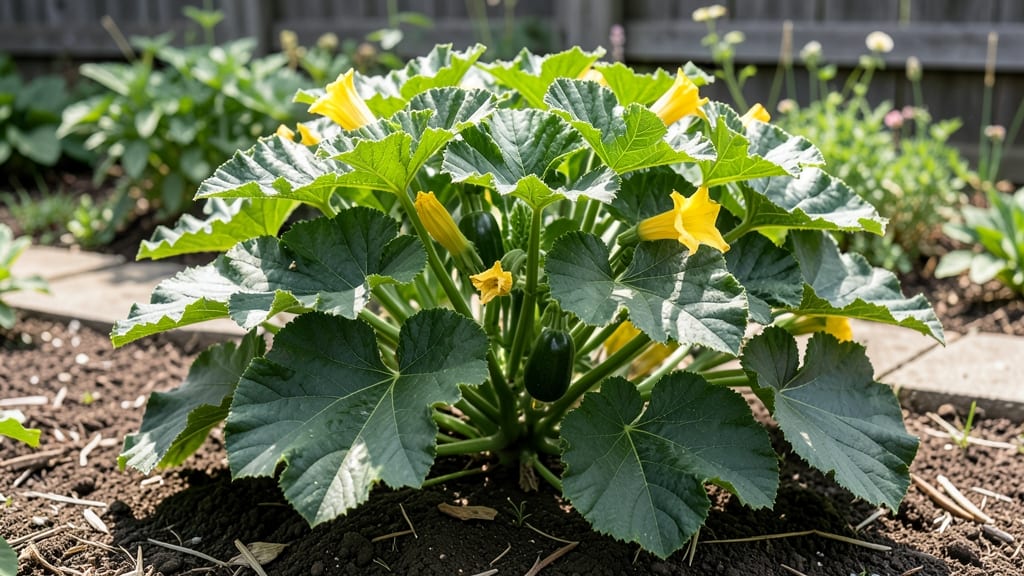
Bush-type zucchini thrives when you prune it just right—no sprawling vines, just a compact plant loaded with fruit. 🌱 I learned the hard way that skipping pruning means fewer zucchini and more tangled mess.
The secret is simple: focus on removing suckers and encouraging strong stems, and you’ll get a harvest that keeps coming all summer long.
Start by choosing a variety like 'Eight Ball' or 'Patio Star'—they’re bred to stay compact without pruning, but a little work still boosts yields. Plant in full sun (6+ hours daily) with well-draining soil, and space plants 2–3 feet apart.
Water deeply at the base, keeping the soil consistently moist but never soggy. The key to pruning comes after the plant establishes—just a few minutes every week makes all the difference.
You’ll end up with a tidy, productive bush that’s easier to harvest and less likely to attract pests. The first pruning cuts encourage thicker stems and more flowers, leading to heavier fruit sets.
Plus, your garden will look cleaner and more intentional—no more zucchini vines taking over the yard. A little effort now means a bounty later.
This method works for containers too, making it perfect for small spaces or balconies. Even if you’ve struggled with zucchini before, these steps simplify the process. Ready to grow a zucchini patch that actually stays in control?
📚 In This Guide
- What you need
- Instructions
- Tips and common mistakes
- Wrapping up and next steps
What you need
- ● Pruning shears or hand pruners: Sharp, clean pair (sterilized with rubbing alcohol to prevent disease). Recommended: Felco or Fiskars pruners.
- ○ Gloves: Heavy-duty gardening gloves (optional but helpful for thorny varieties or messy hands).
- ● Disinfectant (rubbing alcohol or bleach solution): 1 part bleach to 9 parts water (for sterilizing tools between cuts).
- ● Compost or mulch: 2–3 gallons (to replenish soil after pruning and reduce weeds).
- ○ Staking or trellis (optional): Small stakes or lightweight cages (if supporting vines for vertical growth).
- ● Healthy bush-type zucchini plants: 4–6 weeks old (with 3–5 true leaves) and disease-free.
- ● Sunlight: Full sun (6–8 hours daily) for optimal growth.
- ● Well-draining soil: Rich in organic matter (pH 6.0–7.0). Test soil or amend with compost if needed.
- ● Watering can or hose: With a gentle spray nozzle (avoid wetting foliage post-pruning).
How to prune bush type zucchini for compact growth and heavy harvests
Here's the method I use to keep bush zucchini plants tidy, productive, and thriving all season.
🌿 Step 1: Identify and Remove Suckers Early
Start pruning when your bush zucchini plants are about 3 feet tall and have developed 3-4 main stems. Look for small shoots growing from the base of the plant or from leaf axils—these are suckers. They compete with your main stems for energy, so remove them immediately using clean, sharp pruners. Pinch off suckers just above a leaf node to encourage branching.
Real talk: I always check for suckers every 3-4 days during peak growth. The earlier you catch them, the less stress on your plant. If you miss one, it can grow into a large, unproductive branch that steals nutrients from your main harvest.
✂️ Step 2: Thin Main Stems for Airflow and Light
Once your plant reaches 4-5 feet tall, focus on thinning the main stems. Keep 3-4 of the strongest, most upright stems and prune back any weak or crossing branches. Cut back to a leaf node just above where the branch originates. This opens up the plant for better airflow and sunlight penetration, which prevents disease and boosts fruit production.
Here's the thing—don't overdo it. You want to maintain a bushy shape, not a bare skeleton. Aim for a plant that looks full but still lets light reach the center. I like to step back and visually check for gaps; if I can see through the plant, it needs more leaves.
🌱 Step 3: Prune Lower Leaves to Improve Harvest Access
As your plant matures, remove any yellow or diseased leaves immediately with pruners. Then, focus on trimming back the lowest 6-12 inches of leaves to keep them off the ground. This prevents soil-borne diseases and makes harvesting easier. Use clean pruners to cut just above a leaf node, leaving the stem intact for new growth.
I know it seems counterintuitive to remove leaves, but this actually encourages the plant to focus energy on producing fruit. Plus, you'll avoid the hassle of dragging leaves out of the way every time you harvest. Just be sure to leave enough foliage to keep the plant shaded—zucchini fruits need protection from direct sun.
⏰ Step 4: Maintain Pruning Through the Season
Continue pruning throughout the growing season by removing any yellow or diseased leaves weekly. After harvest, trim back the vine just above the last fruit node to encourage a second flush of growth. Stop pruning about 6 weeks before your first frost to allow the plant to harden off and store energy for next season.
Watch for new suckers or overgrown branches every 10-14 days and prune them back immediately. This keeps your plant compact and productive right up until frost. I always set a reminder to check my zucchini plants on the same day each week—it becomes a habit and keeps me consistent.
Tips & tricks for perfect bush zucchini pruning
Common pitfalls—and how to sidestep every one—when keeping your bush zucchini thriving.
Tool Tip: Always use clean, sharp pruners to avoid damaging the plant. I learned this the hard way after ruining three batches with dull tools that crushed stems instead of cutting cleanly. Disinfect your pruners with rubbing alcohol between uses to prevent spreading disease from one plant to another.
Visual Cue: When checking for suckers in Step 1, look for tiny shoots that look like miniature versions of your main stems. They often grow from the base or leaf axils. If you're unsure, wait 3-4 days—they'll grow more noticeable. Remember, these suckers steal energy from your main harvest, so don't let them get too big!
Airflow Strategy: In Step 2, when thinning main stems, aim to create a "fishbone" shape where light can reach the center. I step back every few weeks to check for gaps—if I can see through the plant, it needs more leaves. This airflow prevents fungal diseases like powdery mildew that can ruin your harvest.
Seasonal Adjustment: During extreme heat or drought, reduce pruning frequency to 10-14 days instead of weekly. Your plant needs all its energy to produce fruit, not new growth. Watch for wilting leaves as a sign it's struggling—this is when you should focus on watering and minimal pruning only.
Pro Tips for Bush Type Zucchini
- Common pitfalls—and how to sidestep every one—when keeping your bush zucchini thriving.
- Tool Tip: Always use clean, sharp pruners to avoid damaging the plant.
- Visual Cue: When checking for suckers in Step 1, look for tiny shoots that look like miniature versions of your main stems.
Frequently asked questions
Got questions about growing bush-type zucchini? You’re not alone!
Whether you're a first-time gardener or a seasoned pro, these answers will help you maximize your harvest with minimal fuss. Let’s dive in!
What’s the best time to prune bush-type zucchini for compact growth?
Bush-type zucchini hates aggressive pruning—unlike their vining cousins. Instead, focus on light maintenance by removing yellowed or diseased leaves throughout the growing season. If you notice overcrowding, trim back excess foliage after harvest (but never more than 10-15% of the plant). Think of it as a tidy-up, not a makeover!
How often should I harvest bush zucchini to encourage more production?
Harvest every 2–3 days once fruits appear (aim for 6–8 inches long). Overripe zucchini = fewer future blooms! Use a sharp knife or pruners to cut stems cleanly, and harvest early in the morning for the freshest picks. Pro tip: Check plants daily—they grow fast!
Can I grow bush zucchini in containers? If so, what size pot do I need?
Bush types thrive in 5-gallon containers or larger (at least 12–18 inches deep). Ensure pots have drainage holes and use a lightweight potting mix with compost. Place containers in full sun (6+ hours/day) and fertilize weekly with a balanced liquid feed. Just avoid overcrowding—one plant per pot is ideal!
What should I do if my bush zucchini leaves start yellowing or wilting?
Yellowing leaves often signal overwatering, underwatering, or pests. First, check the soil—it should be moist but not soggy. If pests (like squash bugs or aphids) are the culprit, handpick them or spray with neem oil. For fungal issues (like powdery mildew), prune affected leaves and improve airflow. Prevention is key—rotate crops yearly!
Are there any bush zucchini varieties that don’t need pruning at all?
Most bush types (like ‘Eight Ball’ or ‘Patio Star’) are low-maintenance and don’t require pruning. These compact varieties focus energy on fruit production, not vines. However, light trimming (removing dead leaves or excess shoots) still helps airflow and reduces disease risk. Perfect for beginners!
Wrapping up and next steps
Growing bush-type zucchini is all about simplicity and reward—minimal pruning means more time to enjoy those bursting harvests! With just a few strategic cuts, you’ll keep your plants compact, boost yields, and avoid common pitfalls.
Whether you’re a seasoned gardener or just starting, these techniques make it easy to grow like a pro.
Ready to level up your harvest? Grab your pruners, head to the garden, and give these tips a try—your future zucchini bread (or stir-fry!) will thank you! 🌱✨ Happy pruning!