
Companion Plants
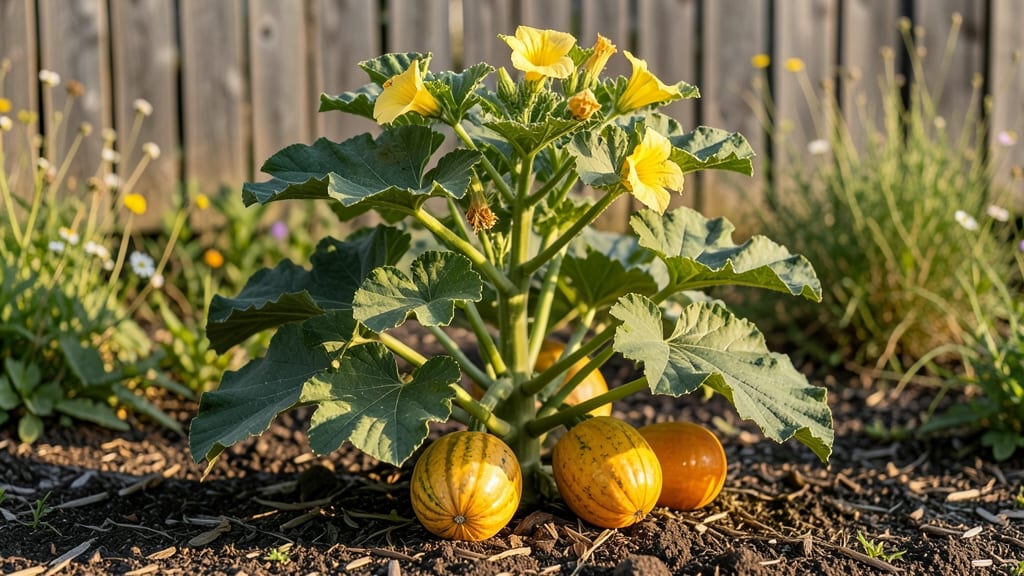
Bush squash plants deliver bountiful harvests in just 40 square feet—no sprawling vines required. 🌱 I learned the hard way that compact varieties like 'Bush Delicata' and 'Eight Ball' produce as much as their sprawling cousins, but without the space-hogging drama.
The secret lies in their determinate growth habit, meaning they stop growing once they start flowering. These plants thrive in full sun (6+ hours daily) and well-draining soil with a pH of 6.0-7.0.
Most gardeners direct-sow seeds after the last frost, but transplants work too—just bury them deeper than the seed packet suggests. The key is spacing: 3-4 feet apart in rows 4-5 feet apart for optimal airflow and sunlight penetration.
By mid-summer, you'll be harvesting squash the size of softballs—no more wrestling with giant zucchinis. The plants stay tidy, produce consistently, and even handle partial shade better than their sprawling relatives.
Just watch for powdery mildew (spray with neem oil at the first sign) and keep soil consistently moist but not soggy. Perfect for small gardens, containers, or urban plots. Once you try bush varieties, you'll wonder why you ever grew anything else!
📚 In This Guide
- What you need
- Instructions
- Tips and common mistakes
- Wrapping up and next steps
What you need
- ● Bush squash seeds: Choose compact varieties like Bush Delicata or Eight Ball (1–2 seed packets, ~10–15 seeds per packet).
- ● Containers or garden bed: For containers: 5-gallon pots (1–2 per plant) with drainage holes.
- ● For garden beds: Well-draining soil in a 3–4 ft. diameter circle per plant (space 3–4 ft. apart).
- ● High-quality potting mix or compost: 1–2 bags (sterilized, well-draining).
- ● Organic fertilizer: Balanced 10-10-10 or compost (1 cup per plant at planting).
- ● Mulch: Straw or shredded leaves (1–2 inches thick to retain moisture).
- ● Hand trowel or transplanting tool (for planting seeds/transplants).
- ● Garden gloves (to protect hands from prickly vines).
- ● Watering can or hose with gentle spray nozzle (avoid soaking seeds).
- ○ Row cover or shade cloth (optional, for early planting or pest protection).
- ○ Trellis or small cage (optional, if you want to train vines upward for vertical space).
Step-by-step instructions for growing bush squash plants
Here's how I grow bush squash without the sprawl—compact, productive, and perfect for small gardens.
🌱 Step 1: Select the Right Variety and Prepare the Soil
Choose bush varieties like 'Bush Delicata' or 'Eight Ball'—they stay under 2 feet tall and produce all their fruit within a 3-foot diameter. These compact types eliminate the need for trellises or sprawling rows, saving space while delivering the same sweet, tender squash.
Test your soil's pH—bush squash thrives in 6.0-6.8. Amend heavy clay with 2 inches of compost or sandy soil with 1 inch of peat moss to improve drainage. I always spread a 2-inch layer of aged manure two weeks before planting to feed the roots without burning them. Work it into the top 6 inches of soil for even distribution.
☀️ Step 2: Plant Seeds at the Right Time and Depth
Wait until the soil reaches 60°F before planting—cold soil delays germination and invites rot. Plant seeds 1 inch deep and 2 inches apart in hills spaced 3 feet apart. I use 3 seeds per hill to ensure at least one strong plant emerges, then thin to the strongest seedling once they're 2 inches tall.
Bush squash needs full sun (6-8 hours daily) to produce well. If your garden gets afternoon shade, choose a south-facing spot or supplement with a reflective surface (like a white wall) to bounce light onto the plants. Watch for true leaves—those are the first real leaves after the initial seed leaves, signaling it's time to thin.
💧 Step 3: Water Deeply and Mulch to Retain Moisture
Water 1 inch per week, keeping the soil consistently moist but not soggy. Bush squash roots are shallow, so I water deeply 2-3 times per week rather than daily light sprinkles. Use a soaker hose or drip irrigation to avoid wetting the leaves, which prevents fungal diseases like powdery mildew.
Apply 2-3 inches of straw mulch around each plant after germination to lock in moisture and suppress weeds. Mulch also keeps the soil 10°F cooler during hot afternoons, which prevents blossom-end rot and improves fruit quality. Replenish mulch as it breaks down throughout the season.
✂️ Step 4: Fertilize and Prune for Maximum Yield
Feed plants with a balanced 10-10-10 fertilizer when they flower, then switch to a low-nitrogen, high-phosphorus (5-10-10) formula once fruit sets. I side-dress with 1 tablespoon of compost every 3-4 weeks to avoid over-fertilizing, which can lead to bitter fruit. Stop fertilizing 4 weeks before harvest to let flavors concentrate.
Remove any yellow or diseased leaves immediately to redirect energy to fruit production. If vines start to sprawl despite being bush types, pinch back the tips of the main stems when they reach 12 inches tall. This encourages bushier growth and more uniform fruit development. Harvest when squash feel firm and the skin turns solid and dull—don’t wait for them to overripe or crowd the plant.
🌿 Step 5: Harvest and Extend the Season
Pick squash when they're 6-8 inches long for peak flavor and tenderness. Use a sharp knife or pruners to cut stems, leaving a 1-inch stub to prevent rot. Harvest in the morning when skins are dry—this reduces bruising and extends shelf life. Store in a cool, dry place (50-55°F) for up to 2 weeks.
To extend the season, cover plants with frost cloth when nighttime temperatures dip below 50°F. Remove the cloth during the day to allow pollination. If frost is imminent, harvest all remaining fruit immediately—even slightly underripe squash will ripen indoors. I’ve kept plants producing until first hard frost this way, often getting 2-3 extra weeks of harvests.
Tips & tricks for perfect bush squash growth
Here's what I learned after years of growing bush squash—these tricks help you avoid common pitfalls and maximize your compact harvest.
Soil Preparation Secret: Before amending your soil, I recommend doing a simple jar test to check your drainage. Fill a clean jar halfway with soil, add water, and shake it. If water separates clearly after 2 hours, your soil drains well. If it stays muddy, you definitely need that extra compost or peat moss. The 6 inches of amended soil is non-negotiable for these shallow-rooted plants—it's where all their energy comes from.
Planting Strategy: The 3 seeds per hill method works wonders for insurance, but here's the real trick: plant them in a triangle formation. This creates a natural windbreak and ensures even sunlight exposure for all seedlings. When thinning to one plant, choose the strongest seedling—look for the one with the most vibrant true leaves and sturdy stem. This single plant will give you the most consistent harvest.
Watering Wisdom: Those 2-3 waterings per week should happen in the early morning to prevent fungal issues. I've found that watering at the base rather than overhead creates a microclimate that keeps leaves dry. For extra insurance, water when the top inch of soil feels dry to the touch—this prevents both underwatering and the root rot that comes from soggy conditions. The 10°F cooler soil from mulching makes all the difference in hot climates.
Harvest Timing: The 6-8 inch size guideline is perfect, but here's how to tell when they're truly ready: gently press your thumbnail into the skin. If it leaves a slight dent that springs back, they're prime. Harvesting in the morning when skins are dry prevents bruising and extends storage life. I've found that harvesting every 3-4 days encourages more prolific production—don't wait until they're fully mature before picking!
Pro Tips for Bush Squash Plants
- Here's what I learned after years of growing bush squash—these tricks help you avoid common pitfalls and maximize you...
- Soil Preparation Secret: Before amending your soil, I recommend doing a simple jar test to check your drainage. Fill ...
- Planting Strategy: The 3 seeds per hill method works wonders for insurance, but here's the real trick: plant them in ...
Frequently asked questions
Got questions about growing bush squash plants?
You’re not alone! Here are answers to the most common queries to help you cultivate a thriving, space-saving harvest.
How much space do bush squash plants really need?
Bush squash varieties thrive in just 3–4 feet of space per plant, making them perfect for small gardens, containers, or even balconies. Unlike vining types, they don’t sprawl, so you can plant them in neat rows or clusters. Pro tip: Use 4x4-foot squares for maximum yield in tight spaces!
When is the best time to plant bush squash?
Start seeds 2–4 weeks before your last frost date indoors or sow directly into warm soil (70°F+) after the frost has passed. For cooler climates, use black plastic mulch to speed up soil warming. Bonus: Bush squash grows faster than vining types—expect harvests in 45–55 days!
Can I grow bush squash in containers? If so, what size?
Bush squash does well in 5-gallon containers or larger, with at least 12–18 inches of depth. Use a well-draining potting mix and place containers in full sun (6+ hours/day). Watch out: Overcrowding leads to poor airflow—stick to 1 plant per container for best results.
What pests or diseases should I watch for with bush squash?
Common issues include cucumber beetles, squash bugs, and powdery mildew. Prevent pests with row covers or neem oil, and ensure good air circulation to avoid mildew. Quick fix: Handpick pests early in the morning when they’re sluggish!
Can I save seeds from bush squash for next year?
Yes! Let a few squash fully ripen on the vine (they’ll turn hard and lose their gloss), then scoop out the seeds, rinse them, and dry on a paper towel. Store in a cool, dark place for up to 5 years. Note: Hybrid varieties may not produce true-to-type seeds, so check the label first.
Wrapping up and next steps
Growing bush squash plants is a game-changer for small gardens—packing flavor and bounty into tight spaces without the fuss! 🌱 Whether you're a seasoned gardener or just starting, their compact nature and hardy growth make them a fantastic companion for herbs, flowers, or even other veggies.
With the right care and a little patience, you’ll soon be harvesting vibrant, homegrown squash to enjoy fresh or share with neighbors.
Ready to dive in? Start small! Pick a sunny spot, grab your seeds, and let these versatile plants work their magic. Happy gardening—your future meals (and Instagram-worthy harvests) will thank you! 🍽️✨