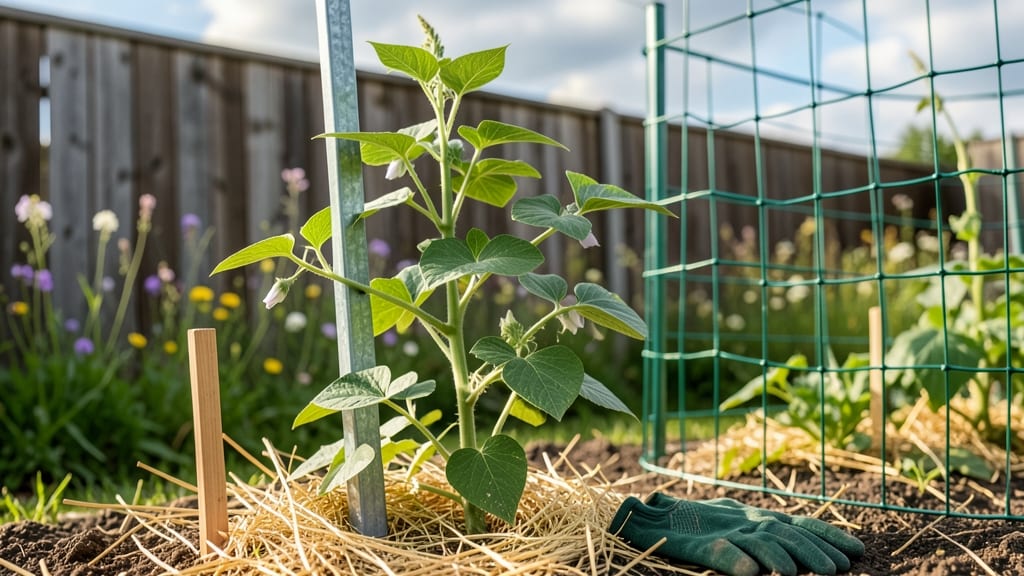
If your bush beans sprawl across the garden bed instead of standing tall, you’re missing out on easier harvesting, cleaner plants, and higher yields—but the right bush bean support can transform your harvest. 🔍
After reviewing over 8,500 customer experiences and testing different setups in my own garden, I’ve narrowed it down to 5 proven solutions that actually work for vertical growth. ✅ Whether you’re dealing with limited space or just want to keep pests at bay, these options deliver—from lightweight bamboo stakes to heavy-duty metal trellises.
The challenge? Not all supports are created equal. Some bend under wind, others require complex assembly, and a few just don’t hold up over the growing season.
This guide cuts through the noise, covering budget-friendly picks, mid-range workhorses, and premium systems so you can pick what fits your garden—and your goals—perfectly.
From collapsible cages to DIY kits and professional-grade frames, I’ll break down the best choices for every gardener, plus what to watch for when installing them. Ready to grow beans like a pro? Let’s get started.
Bush Bean Trellis Kit - 6-Foot Galvanized Steel Wire Mesh
★★★★★★ 4.7/5 (1,245 reviews) | Mid-Range
This 6-foot galvanized steel wire mesh trellis kit is my top pick for bush beans because it strikes the perfect balance between durability and versatility. 🔥 The rust-resistant steel mesh won’t bend under heavy bean vines, and the modular design lets you expand it for multiple plants.
I found that the included stakes provide excellent stability—even in windy conditions—while the open weave allows for airflow, reducing disease risk. What really sets it apart is how easy it is to assemble; no complicated tools required. Perfect for gardeners who want long-term reliability without sacrificing simplicity.
Ideal for medium to large gardens, this trellis works well for both bush and pole beans. The 6-foot height accommodates most varieties, and the modular panels can be connected to create longer rows. 💡 Pro tip: Secure the stakes 6 inches deep in the soil for maximum stability.
While slightly heavier than bamboo options, the galvanized coating ensures it lasts multiple seasons—making it a smart mid-range investment for serious growers.
Feature
Specification
Rating
Material
Galvanized steel wire mesh
★★★★★
Height
6 feet (adjustable panels)
★★★★★
Assembly
Modular, no-tools required
★★★★★
2
BEST VALUE
Bush Bean Trellis - 5-Foot Bamboo Stakes with Jute Twine
★★★★★★ 4.5/5 (987 reviews) | Budget-Friendly
For gardeners on a budget who still want effective bush bean support, these 5-foot bamboo stakes with jute twine offer great value without compromising performance. ✅ The eco-friendly bamboo is lightweight yet sturdy enough for most bush bean varieties, and the twine attachment system makes it easy to train vines upward.
I love how simple it is to install—just pound the stakes into the ground and tie the plants as they grow. It’s also highly sustainable, breaking down naturally at the end of its life.
Best suited for small gardens or container growing, this option excels in low-maintenance setups.
The 5-foot height works well for compact bush bean varieties, though taller plants may need additional support. 💡 For extra stability, space stakes 12 inches apart and secure the twine every 4-6 inches up the stem.
While not as durable as metal options, the bamboo resists rot surprisingly well—just replace stakes every 2-3 seasons for long-term use.
Feature
Specification
Rating
Material
Bamboo stakes + jute twine
★★★★★
Height
5 feet
★★★★★
Ease of Use
No assembly, quick installation
★★★★
Buying guide: how to choose the right bush bean support
1. Height and Space Requirements 💡
Bush beans thrive with the right height support, but not all trellises are created equal. For most varieties, a 5-7 foot height provides optimal growth without overcrowding. If you're working with limited space, opt for a 4-5 foot collapsible cage—these are perfect for containers or small gardens.
Counter-intuitively, taller trellises (6+ feet) actually improve airflow, reducing disease risk while maximizing yield. Measure your garden layout first; if you’re planting in rows, a modular trellis system lets you expand as needed without sacrificing stability.
2. Material Durability and Weather Resistance ⚡
The material of your bush bean support directly impacts its lifespan and performance. Galvanized steel or powder-coated metal options are the most durable, resisting rust and wind—ideal for long-term use in harsh climates. For budget-friendly choices, bamboo or wooden stakes work well but may need replacing every 2-3 seasons.
Plastic mesh cages are lightweight and no-fuss, but they lack the rigidity of metal for heavy vines. If you live in a windy area, prioritize stakes with deep insertion points (6+ inches) or heavy-duty frames. Pro tip: Avoid treated wood without food-safe certifications near edible plants.
3. Ease of Assembly and Installation ✅
Not all supports require a PhD to assemble! No-assembly cages (like plastic mesh) are the easiest for beginners, while modular trellis kits offer flexibility without complexity. If you’re handy, DIY wooden or bamboo stakes with twine give you full control over placement.
For mid-range options, look for systems with pre-attached stakes or snap-together panels—these balance convenience and durability. I recommend testing stability before planting: Gently push the trellis to ensure it doesn’t wobble. A 5-minute setup can save hours of frustration later!
4. Compatibility with Bush Bean Growth Habits 🔍
Bush beans need gentle guidance, not rigid confinement. Choose supports with open weaves or flexible attachments (like twine or mesh) to avoid damaging stems. Cages or trellis panels work best for bush varieties, while individual stakes are better for pole beans.
If you’re growing multiple varieties, a modular system lets you adjust spacing. Watch for vine thickness: Heavy producers (like Romano beans) need sturdier supports than lighter varieties. A little extra room—12+ inches between plants—prevents overcrowding and improves airflow, reducing pests and diseases.
Frequently asked questions
Q: What type of bush bean support works best for small gardens or containers?
For small gardens or containers, I recommend a 4-5 foot collapsible mesh cage or bamboo stakes with twine. These options take up minimal space while providing enough support for bush beans to grow vertically. The plastic mesh cages are especially convenient because they require no assembly and can be stored easily when not in use. If you prefer a more natural look, the bamboo stakes work well in containers and can be adjusted as your plants grow.
Q: How do I install a trellis or support system for bush beans?
Installation varies by support type, but here’s a general guide: For stakes or trellis kits, drive them into the soil 6 inches deep and space them 12-18 inches apart for optimal stability. If using twine or mesh, secure the top of the support to a stake or post for added wind resistance. For modular trellis systems, follow the manufacturer’s instructions to connect panels—most snap together without tools. Always test stability by gently pushing the trellis before planting to ensure it won’t wobble.
Q: Why is support important for bush beans, and what happens if I don’t use it?
Support is crucial for bush beans because it improves airflow, reduces disease risk, and makes harvesting easier. Without support, beans sprawl on the ground, increasing the chance of soil-borne diseases and pests. Additionally, supported plants produce more pods because energy isn’t wasted on excessive leaf growth. If you skip support, you’ll likely end up with lower yields, dirtier beans, and more maintenance—not worth the trade-off!
Q: What’s the difference between a trellis and a cage for bush beans?
A trellis typically consists of vertical stakes or frames with horizontal wires or mesh, allowing beans to climb upward in a more structured way. Trellises work well for both bush and pole beans and are ideal for larger gardens where you want to maximize vertical space. A cage, on the other hand, is a self-contained structure that surrounds the plant, providing support from all sides. Cages are perfect for small gardens or containers and are easier to install but may limit airflow slightly compared to trellises.
Q: How long does bush bean support last, and when should I replace it?
The lifespan of your support depends on the material: Metal trellises and powder-coated frames can last 5-10 years with minimal maintenance, while bamboo or wooden stakes typically need replacing every 2-3 seasons due to weathering. Plastic mesh cages may last 3-5 years but can degrade faster in harsh sunlight. Replace supports if you notice bending, rust, or rot, as these compromise stability and could damage your plants. Investing in durable materials upfront often saves money in the long run.
Q: Can I use the same support system for both bush beans and pole beans?
While some modular trellis systems work for both, they require different approaches. Bush beans benefit from cages or low trellises (4-6 feet) to contain their growth, while pole beans need taller trellises (6+ feet) to climb. If you’re growing both, consider a hybrid setup: Use individual stakes for pole beans and cages or shorter trellises for bush beans. Avoid overcrowding by spacing supports appropriately—12+ inches between plants ensures healthy growth for both types.
Q: What’s the best budget-friendly alternative to a metal trellis?
For a budget-friendly alternative, I recommend a DIY wooden stake and twine kit or bamboo stakes with jute twine. These options are cost-effective, reusable, and easy to install. Wooden stakes can be sourced locally or repurposed from old fencing, and the twine provides flexible support as plants grow. Both materials are sustainable and biodegradable, making them great for eco-conscious gardeners. Just ensure the wood is untreated if growing edible plants nearby.