
Picking
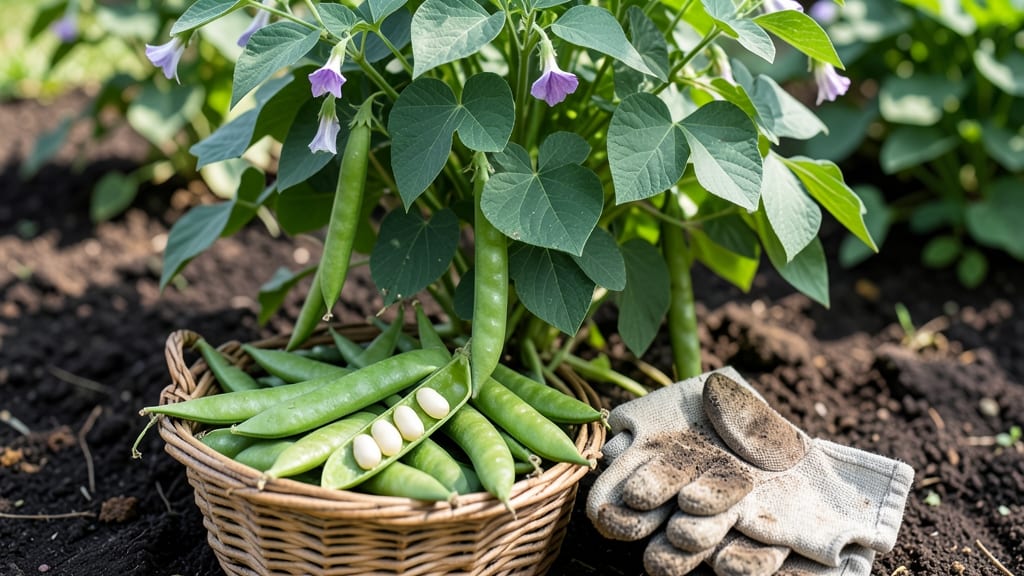
Harvesting bush beans at the right time is the secret to tender, flavorful pods that snap with every bite—miss the window, and you’re left with tough, stringy failures.
Picture this: you’ve nurtured your 🌱 bush beans all season, and now the moment of truth arrives. One wrong move, and those sweet pods turn bitter or woody. The key?
Knowing exactly when to pick—before the seeds swell or the pods toughen—and how to spot the perfect moment by size, color, and even the sound they make when snapped.
Timing matters more than you think. Harvest too early, and you’re wasting potential yield; too late, and the flavor suffers.
In Zone 6a, that window opens in June for spring plantings and stretches into October for fall harvests—but the real magic happens when you recognize the subtle cues that tell you it’s now or never.
Below, I’ll walk you through the exact stages to watch for, common mistakes that sabotage even the best gardens, and how to keep your plants producing like champs all season long.

How to identify the perfect bush bean harvest stages by size and color
Knowing exactly when to harvest your bush beans ensures you enjoy their peak flavor and tender texture. The difference between a perfect pod and a tough, stringy one often comes down to timing—just a few days can change everything.
Let’s explore the visual and tactile cues that signal your beans are ready for picking.
First, focus on pod size, which is your most reliable indicator. Most bush bean varieties reach harvest readiness when pods measure between 2 to 4 inches in length.
This range ensures the beans are fully developed but still tender. Smaller pods are underdeveloped, while larger ones become woody and tough, making them less enjoyable to eat.
Next, pay attention to the color consistency of the pods. Mature bush beans should display a vibrant, uniform hue, whether green, purple, or another variety-specific color. Pale or uneven coloring often means the beans need more time to ripen.
Always compare your pods to the seed packet description for the exact shade you should aim for.
Here’s a quick reference to help you visualize the ideal harvest stages:
| Stage | Pod Size | Color | Texture | Seed Development |
|---|---|---|---|---|
| Not Ready | Under 1.5 inches | Pale or uneven | Soft or mushy | Not visible |
| Ideal Harvest | 2-4 inches | Vibrant and consistent | Firm but tender | Visible but small |
| Overripe | Over 4 inches | Dull or mottled | Woody or tough | Fully formed |
Don’t forget to check the pod texture by gently squeezing it. At the perfect harvest stage, the pod should feel firm yet tender, almost snapping when bent slightly. If it feels mushy or soft, it’s too young.
If it’s hard or woody, you’ve waited too long. This tactile check is a game-changer for ensuring you pick at the right moment.
Another key indicator is the seed development inside the pod. When your beans are ready, the seeds should be visible but not fully developed. If you can see large, plump seeds, the pod has passed its prime.
This is especially important for varieties like Blue Lake or Kentucky Wonder, where seed size directly impacts flavor.
Harvesting at the right time also encourages your plants to produce more pods. When you pick beans regularly, the plant focuses its energy on new growth rather than letting pods mature into tough, overripe stages.
This continuous harvest method can extend your bush bean season by several weeks, giving you a steady supply of fresh pods.
For fall-planted beans, timing becomes even more critical because cooler temperatures slow growth. Watch for color changes and pod firmness more closely, as these are your best clues that the beans are ready despite the slower pace.
A quick pinch test—squeezing the pod between your fingers—can save you from picking too early or too late.
If you’re unsure whether your beans are ready, err on the side of harvesting slightly early. Beans picked at the ideal stage will always taste better than those left on the vine too long.
Plus, early harvesting prevents the plant from diverting energy to seed production, which can reduce overall yield. With practice, you’ll develop an instinct for the perfect moment to pick.
Remember, the goal is to enjoy tender, flavorful bush beans straight from your garden. By mastering these visual and tactile cues, you’ll transform your harvest from a guess into a precise, rewarding process. Happy picking! 🌱
Common mistakes that ruin your bush bean harvest (and how to avoid them)
Even experienced gardeners sometimes fall into traps that turn bush bean harvest time into a frustrating guessing game. The biggest mistake? Waiting too long for pods to reach their peak. Once beans mature past their prime, they go from tender and sweet to tough and stringy—often before you even notice.
I’ve seen entire harvests ruined because gardeners ignored subtle signals like pod color shifts or seed development.
Another common pitfall is harvesting at inconsistent intervals. Skipping just 2-3 days between pickings can trigger a domino effect—your plants stop producing, flowers drop, and you end up with a sudden glut of overgrown pods.
Even worse, some gardeners pick based on calendar dates instead of actual plant readiness, leading to uneven harvests and wasted effort.
Then there’s the myth that bush beans must be harvested all at once. This couldn’t be further from the truth—regular, frequent harvesting (every 2-3 days) is what keeps plants productive.
I’ve had seasons where I nearly doubled my yield just by committing to daily checks, especially during peak production months like June and July.
⚠️ Critical Harvest Time Warning
The 3-day rule applies to bush beans: If pods grow beyond 4 inches or develop fully formed seeds, they’ll never regain their tender texture. Even a 1-day delay can turn sweet snap beans into tough, fibrous messes. Check plants every 2 days during peak season to catch the perfect window.
Ignoring regional climate factors is another silent harvest killer. In hot, dry climates like USDA Zone 8 or 9, beans mature faster—sometimes in as few as 45 days—while cooler zones may take 60 days.
I once grew a fall crop in Zone 6 that stalled because I assumed the same timeline as my summer planting. Always adjust your harvest schedule based on local frost dates and temperature trends.
One of my biggest lessons came from a purple bush bean variety that changed color from deep violet to pale green as it overmatured. I’d been picking based on size alone and missed the subtle color shift—until half my crop turned bland and mealy.
Now, I double-check both pod firmness and color vibrancy before harvesting. A quick squeeze test can save your entire season!
Finally, don’t underestimate the power of plant signals. Bush beans send clear messages when they’re stressed or overloaded. Dropping flowers? It’s time to pick more frequently. Yellowing leaves? Check your watering schedule or soil nutrients.
I learned the hard way that ignoring these cues leads to reduced yields and shorter harvest windows. Pay attention, and your plants will reward you with weeks of fresh pods.
With these adjustments, you’ll transform your bush bean harvest time from a gamble into a predictable, flavor-packed success. Start with daily checks, prioritize pod size and firmness, and let your plants guide you—your taste buds (and dinner plate) will thank you. 🌱