
Pruning
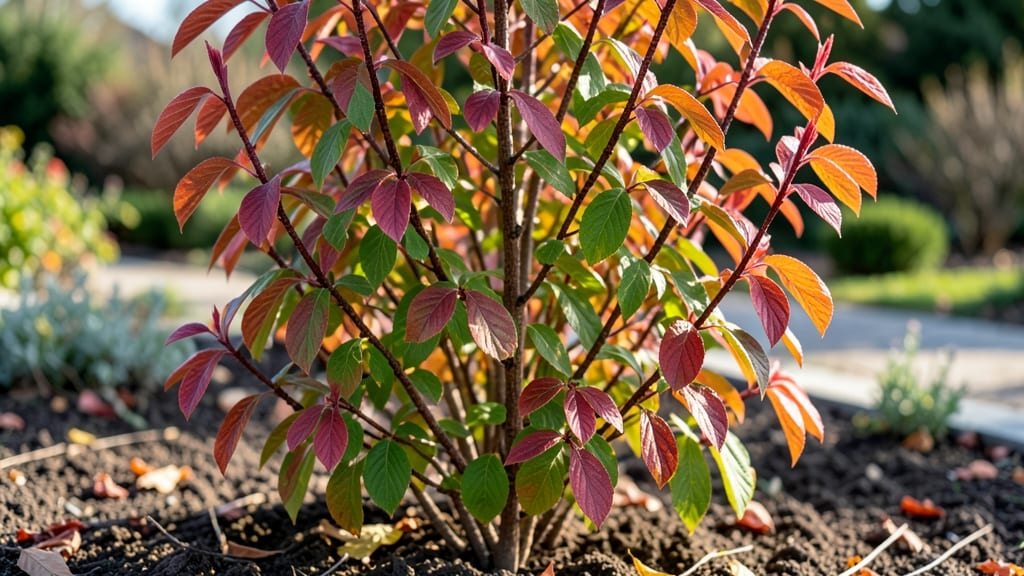
Your burning bush height can reach 10-15 feet tall—but only if you let it. ✂️ I’ve pruned mine every year, and the difference between a wild, sprawling shrub and a tidy, 6-foot privacy screen is all in the timing and technique.
The key isn’t just cutting branches—it’s understanding how this shrub grows and when to shape it for maximum impact.
Burning bush thrives in full sun to partial shade and well-draining soil, but its height depends more on pruning than soil type. Most gardeners prune after flowering (late summer) to control size, but if you skip it, those branches will stretch toward the sky unchecked.
The result? A dense, towering hedge that blocks views—or a neatly trimmed screen that frames your yard.
With the right cuts, you’ll end up with vibrant red foliage that stays lush and compact all season. The secret is thinning out crowded branches in early spring and shaping lightly after growth slows in late summer.
No more struggling with unruly growth—just a polished, picture-perfect screen that works with your landscape.
Works for both new plantings and established shrubs, and the same principles apply whether you want a 6-foot hedge or a 12-foot privacy wall. Let’s get those shears ready!
📚 In This Guide
- What you need
- Instructions
- Tips and common mistakes
- Wrapping up and next steps
What you need
- ● Pruning shears: Bypass pruners (for small branches) – sharp, high-quality, and comfortable to grip.
- ● Loppers: 1 pair (for thicker branches, up to 2 inches in diameter).
- ● Pruning saw: 1 (for branches larger than 2 inches).
- ● Gloves: Heavy-duty gardening gloves (to protect against thorns and sap).
- ● Disinfectant: Rubbing alcohol or a garden disinfectant (to sterilize tools between cuts).
- ○ Twine or zip ties: For securing branches during pruning (optional but helpful for large cuts).
- ● Ladder or step stool: Sturdy and tall enough to reach the top of your bush safely.
- ● Trash bags or bucket: For collecting pruned branches and debris.
- ● Hand pruners: For precision trimming of small, delicate branches.
- ● Extension pole pruners: If your bush is very tall (reaches 10+ feet).
- ● Plant food or fertilizer: To nourish the bush after pruning (apply 4-6 weeks later).
- ● Safety glasses: To protect your eyes from debris.
- ● Knee pads: For comfort when working on the ground.
Step-by-step pruning guide for controlling burning bush height
Here's how to shape your burning bush into a perfect, manageable privacy screen without sacrificing its stunning fall color.
✂️ Step 1: Time Your Pruning for Optimal Growth
Prune your burning bush in late winter or early spring, just as new growth begins but before buds swell. This timing ensures you remove old wood while stimulating fresh, vigorous growth for the season. Avoid pruning in fall—you'll cut off next year's flower buds and reduce that signature crimson display.
I like to mark the 3-4 week window after the last frost date on my calendar. For most climates, this falls between February and March. Watch for the first signs of leaf buds forming at the stem bases—that's your cue to grab the shears.
🌿 Step 2: Assess Current Height and Structure
Step back and evaluate your burning bush's current height and shape. Measure the target height you want to maintain—typically 6-10 feet for privacy screens—using a measuring tape or laser level. Mark this height with a piece of string or spray paint on the stems to guide your cuts.
Look for crossing branches or inward-growing stems that create weak spots. These should be removed first, even if they're below your target height. You'll see them as branches growing toward the center of the plant rather than outward. These compete for energy and weaken the overall structure.
✂️ Step 3: Make Clean Cuts at the Right Angles
Use sharp, bypass pruners to make 45-degree cuts just above a outward-facing bud or branch collar. Never leave stubs—these invite disease. For height reduction, cut back to the desired level on the main stems, but never remove more than one-third of the plant's height in a single season.
Here's the thing—burning bushes respond best to gradual height control. If your plant is already 12 feet tall, don't try to reduce it to 6 feet in one year. That kind of drastic cutback stresses the plant and can kill it. Instead, reduce height by 2-3 feet per year until you reach your target.
🌱 Step 4: Shape for Density and Airflow
After height control, focus on creating a dense, uniform screen. Thin out the center by removing 10-20% of the oldest, thickest branches from the interior. You'll see these as large stems growing toward the plant's core. This improves airflow and reduces disease risk while maintaining that lush, impenetrable look.
For the outer edges, trim to create a slightly tapered shape—wider at the base and narrower at the top. This mimics natural growth patterns and makes the screen appear more balanced. Use hand pruners for smaller branches and loppers for anything thicker than ½ inch in diameter.
💧 Step 5: Post-Pruning Care for Recovery
Water the base of your burning bush immediately after pruning to help it recover from the shock. Give it 1-2 gallons of water depending on the plant's size. Follow up with 1 inch of mulch around the base (but keep it 6 inches away from the trunk) to retain moisture and regulate soil temperature.
Fertilize with a balanced 10-10-10 formula at half strength to encourage new growth. You'll see fresh, vibrant shoots emerging from the buds you left behind within 4-6 weeks. Avoid heavy nitrogen fertilizers—they promote leafy growth at the expense of those spectacular fall colors we all love.
Tips & tricks for pruning towering privacy screens
These essential techniques will help you maintain your burning bush's health while achieving that perfect privacy screen shape.
Timing is Everything: The late winter to early spring window (February-March) is critical for pruning. I once pruned in fall by accident and nearly lost next year's vibrant fall foliage—don't make that mistake! Watch for those tiny leaf buds forming at the stem bases; that's your definitive sign to start. If you're in a warmer climate, adjust for your specific last frost date rather than following calendar months blindly.
The Gradual Approach: Never reduce a mature burning bush's height by more than one-third in a single season. I learned this the hard way when I tried to cut back a 12-foot plant to 6 feet in one year—it took three seasons to recover properly. For established plants, aim to reduce height by just 2-3 feet annually. This gradual method maintains the plant's vigor while achieving your target height without stress.
Cutting Technique Matters: Those 45-degree cuts aren't just for looks—they're essential for proper healing. Make sure each cut is clean and just above an outward-facing bud or branch collar. I always sterilize my pruners between cuts with rubbing alcohol to prevent spreading disease. For branches thicker than ½ inch, use loppers to avoid crushing the stems, which can damage the plant's vascular system.
Post-Pruning Recovery: The immediate watering (1-2 gallons) and mulching (1 inch around the base) after pruning make all the difference. I've seen plants recover beautifully when given this care, while neglected bushes struggle. Remember to keep mulch 6 inches away from the trunk to prevent rot. The balanced 10-10-10 fertilizer at half strength gives just enough nutrients without overwhelming the plant during its recovery phase.
Pro Tips for Burning Bush Height
- These essential techniques will help you maintain your burning bush's health while achieving that perfect privacy scr...
- Timing is Everything: The late winter to early spring window (February-March) is critical for pruning. I once pruned ...
- The Gradual Approach: Never reduce a mature burning bush's height by more than one-third in a single season. I learne...
Frequently asked questions
Got questions about managing your burning bush height? You’re not alone! Whether you’re pruning for privacy, aesthetics, or health, here are the most common concerns—plus expert answers to keep your shrubs thriving.
How tall can a burning bush grow naturally?
A mature, unpruned burning bush (Euonymus alatus) typically reaches 12–15 feet tall and spreads 10–15 feet wide. In ideal conditions (full sun, well-drained soil), some varieties can even hit 20 feet! If you’re aiming for a natural privacy screen, plan for long-term growth or prune annually to control height.
When is the best time to prune for height control?
Prune your burning bush right after flowering (late summer to early fall) to avoid cutting off next year’s blooms. Avoid heavy pruning in spring—new growth emerges from old wood, and aggressive cuts can stress the plant. For dramatic height reduction, spread pruning over 2–3 years to prevent shock.
Can I prune a burning bush too much?
Yes! Over-pruning—especially cutting into old wood—can weaken the plant or even kill it. Burning bushes are not like fast-growing hedges; they recover slowly. Stick to no more than ⅓ of the plant’s height per year, and avoid shearing into bare stems. If you’ve already over-pruned, focus on watering deeply and fertilizing lightly to encourage regrowth.
What’s a good alternative if my burning bush won’t stay short?
If height control is a struggle, consider these shorter alternatives for privacy screens:
- Dwarf burning bush (Euonymus alatus ‘Compactus’) – 3–5 ft tall
- Boxwood (Buxus) – 3–6 ft tall, dense and easy to shear
- Holly (Ilex) – 6–12 ft tall, thorny and evergreen
- Arborvitae (Thuja) – 12–15 ft tall but narrow (great for tight spaces)
Why is my burning bush dying after pruning?
Common causes include:
- Pruning too late in the season (fall/winter cuts can invite disease or frost damage).
- Cutting into old, woody stems (burning bushes bloom on last year’s growth—don’t remove all stems!).
- Poor recovery conditions (drought, compacted soil, or lack of nutrients).
Wrapping up and next steps
Mastering the burning bush height through proper pruning transforms your yard into a lush, private sanctuary while keeping your plants healthy and vibrant. Remember, timing, technique, and consistency are key—whether you’re shaping for aesthetics or managing growth.
With the right tools and knowledge, you can confidently tackle this task and enjoy the rewards of a well-maintained privacy screen.
Ready to take the next step? Start small—pick a section of your burning bush to practice your cuts, and gradually expand as you gain confidence. Happy pruning! 🌿✂️