
Pruning
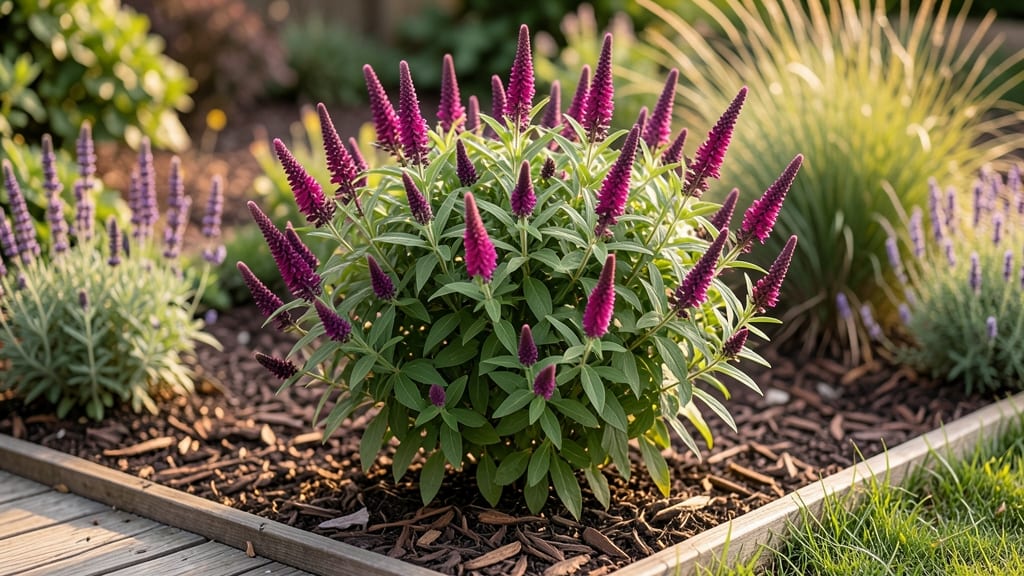
The Buddleia '3 in 1' butterfly bush delivers three seasons of blooms with half the work. 🌿 I’ve grown dozens of butterfly bushes, and this one stands out—it flowers in spring, summer, and fall without the constant pruning other varieties demand.
The secret lies in its natural growth habit and strategic trimming. You’ll need a sunny spot (at least 6 hours of direct light daily), well-draining soil, and patience—this bush rewards neglect more than it punishes it. Water deeply once established, and watch as butterflies flock to its fragrant clusters.
Unlike traditional Buddleia, this variety stays compact (5–7 feet tall) and produces blooms on both old and new wood. By late spring, you’ll see the first flush of flowers, followed by waves through summer and into fall.
The key to keeping it blooming is a light trim in early spring—just enough to shape it, not strip it bare. The result? A butterfly magnet that thrives with minimal effort. Perfect for small gardens, containers, or as a low-maintenance hedge.
Here’s how to make it thrive without the fuss.
📚 In This Guide
- What you need
- Instructions
- Tips and common mistakes
- Wrapping up and next steps
What you need
- ● Buddleia 3 in 1 Butterfly Bush: 1 healthy plant (check for vibrant foliage and buds; opt for a Buddleia davidii variety for best results).
- ● Garden soil: 1 bag of high-quality, well-draining potting mix (or native soil amended with compost).
- ● Fertilizer: 1 balanced, slow-release fertilizer (10-10-10 or similar) or organic options like composted manure.
- ● Mulch: 2–3 inches of organic mulch (e.g., wood chips or straw) to retain moisture and suppress weeds.
- ● Pruning shears: 1 pair of sharp, sterilized bypass pruners (for clean cuts).
- ● Gloves: 1 pair of sturdy gardening gloves (to protect from thorns and sap).
- ● Trowel or spade: 1 for digging holes (12–18 inches deep for mature plants).
- ● Watering can or hose: With a gentle spray nozzle for post-planting hydration.
- ● Measuring tape: 1 to ensure proper spacing (3–5 feet apart for full growth).
- ● Stakes or plant supports (if your region has strong winds).
- ● Slow-release watering system (e.g., drip irrigation) for drought-prone areas.
- ● Butterfly-friendly companion plants (e.g., lavender, coneflowers) to boost pollinator traffic.
- ● Plant food spray (for a mid-season nutrient boost).
How to grow a thriving butterfly bush for season-long color
This easy-care shrub delivers nonstop blooms with just a little strategic planting and seasonal attention.
🌱 Step 1: Choose the Perfect Planting Location
Pick a spot with full sun—at least 6 hours of direct sunlight daily—since butterfly bush thrives on warmth. I always test the site first by observing how much sunlight reaches it throughout the day. Avoid low spots where cold air settles in winter, as these plants dislike soggy roots.
Check the soil drainage by digging a 6-inch hole—if water pools after 30 minutes, amend the area with 2-3 inches of compost or plant in a raised bed. Butterfly bush tolerates poor soil but blooms best when roots can spread freely without waterlogging. I like to plant mine where I can enjoy the blooms from a patio or deck—4-5 feet away from seating ensures both beauty and accessibility.
☀️ Step 2: Plant at the Right Time and Depth
Spring is ideal for planting, but you can also install butterfly bush in early fall—just allow 4-6 weeks before the first frost for roots to establish. Dig a hole twice as wide as the root ball but only as deep as the container it came in. This prevents burying the stem too deeply, which can cause rot.
Loosen the roots gently if they're circling, then place the plant in the hole and backfill with native soil mixed with 1 part compost. Water deeply to settle the soil and eliminate air pockets. I always add a 2-inch layer of mulch around the base (but not touching the stem) to retain moisture and regulate soil temperature. Watch for the first flush of new leaves—within 2-3 weeks—to confirm the plant is settling in.
💧 Step 3: Water Deeply but Infrequently
Once established, butterfly bush is drought-tolerant, but new plants need 1 inch of water per week during the first growing season. Water deeply—soaking the root zone to 12 inches down—rather than frequent shallow watering. This encourages deep root growth, making the plant more resilient.
Check soil moisture by sticking your finger 2 inches down—if it feels dry, that's your cue to water. Overwatering is the biggest mistake here; yellowing leaves usually mean you're watering too much. I set a reminder every 7-10 days during hot spells to keep the soil consistently moist but never soggy. After the first year, you'll rarely need to water unless there's an extended dry spell.
✂️ Step 4: Prune Strategically for Year-Round Blooms
The "3 in 1" secret lies in three simple pruning cuts: first in late winter, second after spring blooms, and a light tidy-up in early fall. Start by removing dead or crossing branches with clean cuts just above a leaf node. This keeps the shrub open and airy, preventing disease.
For spring blooms, cut back one-third of the oldest stems to the ground in late winter. This removes last year's wood and stimulates fresh growth. After the first flush of flowers fades, trim back another third of the oldest stems to encourage a second round of blooms. I always prune just above a set of healthy buds—never at a bare stem—to ensure new growth starts quickly. Avoid heavy pruning in fall, as the plant needs energy to harden off for winter.
🌿 Step 5: Feed and Protect for Long-Term Health
Apply a balanced, slow-release fertilizer (10-10-10) in early spring when new growth appears. This gives the plant nutrients without encouraging excessive leafy growth at the expense of flowers. I skip fertilizer in the second year unless the foliage looks pale, which usually means the soil is depleted.
Protect young plants from late frosts by covering them with frost cloth if temperatures dip below 25°F. Mature butterfly bushes handle winter well, but new growth in spring can be tender. Watch for aphids or spider mites—a strong spray of water usually dislodges them, but severe infestations may need neem oil treatment. The more you prune and feed, the more blooms you'll get—and the more butterflies you'll attract!
Tips & tricks for perfect butterfly bush blooms
These simple strategies will help you get the most vibrant, long-lasting blooms from your butterfly bush with minimal effort.
Sunlight Strategy: While the instructions call for at least 6 hours of direct sunlight, I've found that butterfly bushes actually thrive with 8-10 hours of sunlight for maximum blooms. If your location gets less than 6 hours, consider planting in a container that you can move to sunnier spots during the day. Morning sun is especially valuable as it dries dew quickly, preventing fungal issues that can develop on the delicate flowers.
Pruning Precision: When performing the late winter pruning in Step 4, look for stems that are thicker than a pencil—these are your oldest growth that should be cut back to the ground. The key is to make clean cuts at a 45-degree angle just above a healthy bud. I always use sharp bypass pruners to avoid crushing stems, which can lead to disease. This precise pruning creates the perfect balance between removing old wood and encouraging new growth that will produce more blooms.
Watering Wisdom: The instructions mention checking soil moisture by sticking your finger 2 inches down, but I've learned to also check the weight of the soil. Lift a small handful—if it feels light and crumbly, it's time to water. If it's heavy and clumps together, you're overwatering. This method helps prevent the yellowing leaves that often signal too much water. Remember that butterfly bushes are drought-tolerant once established, so err on the side of less frequent watering during the growing season.
Pro Tips for Buddleia 3 In 1 Butterfly Bush
- These simple strategies will help you get the most vibrant, long-lasting blooms from your butterfly bush with minimal effort.
- Sunlight Strategy: While the instructions call for at least 6 hours of direct sunlight, I've found that butterfly bushes actually thrive with 8-10 hours of sunlight for maximum blooms.
- Pruning Precision: When performing the late winter pruning in Step 4, look for stems that are thicker than a pencil—these are your oldest growth that should be cut back to the ground.
Frequently asked questions
What does "3 in 1" mean for this butterfly bush?
The Buddleia 3 in 1 combines three key traits: year-round blooms (with staggered seasonal flowers), low-maintenance growth (minimal pruning needed), and attractive foliage (even when not in bloom). It’s designed to keep your garden vibrant without the fuss of constant trimming!
When is the best time to prune it for maximum blooms?
Prune late winter or early spring (before new growth starts) to shape the bush and encourage fresh blooms. For continuous flowers, give it a light trim after each flush of blooms fades—this keeps it compact and flowering year-round. Avoid heavy cuts in fall, as it may reduce next year’s flowers.
Will this bush really attract butterflies, or is it just marketing?
Not marketing—science-backed magic! Buddleia’s fragrant flowers are a top food source for monarchs, swallowtails, and other pollinators. The 3 in 1 variety extends the season, so you’ll see butterflies from spring through frost. Pair it with milkweed for a butterfly buffet!
How do I fix overgrown or leggy Buddleia?
Don’t panic! Cut back 1/3 of the oldest stems to the ground in late winter to rejuvenate it. For leggy branches, prune just above a leaf node to encourage bushier growth. Pro tip: Wear gloves—Buddleia’s sap can stain! After pruning, fertilize lightly to support new growth.
Can I grow Buddleia in containers, or is it only for gardens?
Buddleia thrives in large containers (18"+ diameter) with well-draining soil. Choose a pot with drainage holes, and prune regularly to control size. Just know it may need annual repotting as roots expand. Perfect for patios or small spaces!
Why isn’t my Buddleia blooming like it should?
Common culprits: over-fertilizing with high nitrogen (promotes leaves, not flowers), poor sunlight (needs <6+ hours of sun), or lack of pruning. Try this: Cut back old wood in spring, use a balanced fertilizer (10-10-10), and ensure it’s in full sun. Patience—some varieties take 2–3 years to hit peak bloom!
Wrapping up and next steps
The Buddleia '3 in 1' Butterfly Bush is a game-changer for gardeners who want stunning, low-maintenance beauty without the hassle. With its year-round blooms, minimal pruning needs, and butterfly magnet appeal, it’s the perfect addition to any yard.
Whether you're a seasoned gardener or just starting out, this versatile plant delivers effortless elegance and ecological benefits—what’s not to love?
Ready to transform your garden? Grab your pruners, pick a sunny spot, and plant your '3 in 1' Butterfly Bush today! Your future self—and the butterflies—will thank you. 🌸🐛