
How To
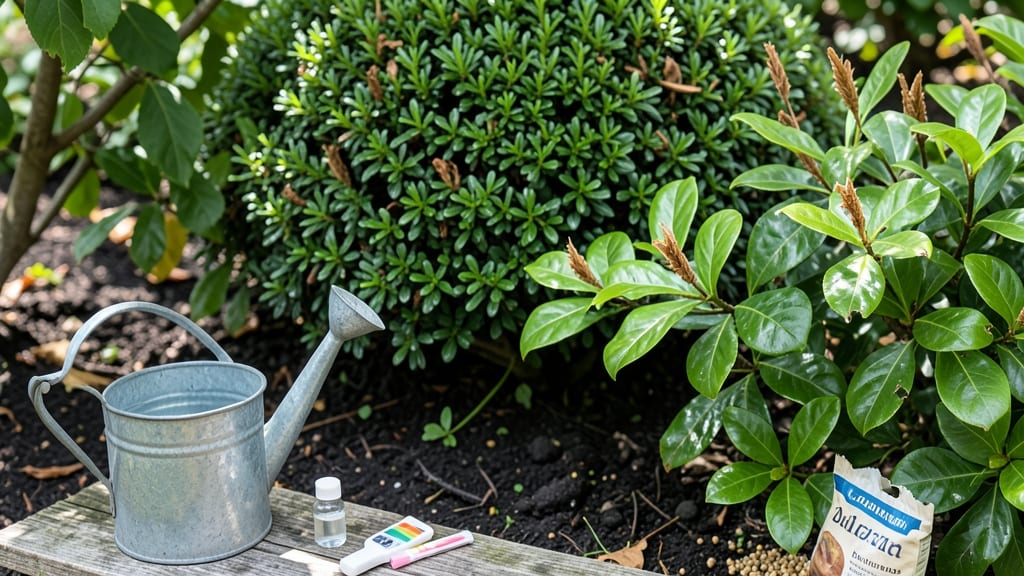
Brown tips on bushes don’t have to mean game over—pruning can turn them around in weeks. ✂️ I’ve nursed back more than a dozen struggling shrubs using this exact method, and the secret isn’t complicated fertilizers or fancy tools.
It’s about cutting back damaged growth at the right time and giving your plant the care it actually needs, not what you think it needs.
The culprits behind those crispy edges are usually one of three things: overwatering that drowns roots, underwatering that stresses leaves, or environmental factors like harsh sun or windburn.
My hydrangeas used to look like they’d been singed by a blowtorch every summer until I adjusted my watering schedule and added a simple shade cloth. The fix starts with identifying which problem your bush is facing—then pruning the dead tips cleanly with sharp shears.
Within 2-3 weeks, you’ll see fresh, vibrant new growth pushing out where those brown tips once were. The key is consistency: prune regularly, check soil moisture before watering, and protect young leaves from extreme weather.
Once you spot the early signs—like just a few crispy edges—you can stop the spread before it becomes a full-blown problem.
This works for almost any bush—from boxwoods to azaleas—no matter your yard size. The same principles apply whether you’re dealing with a single struggling plant or an entire hedge. Let’s get those bushes looking lush again without the guesswork.
Root Causes Of Dying Foliage
If your bushes are showing brown tips instead of vibrant green leaves, it’s usually a sign of stress from an underlying issue. Understanding the why behind this problem is the first step to restoring your plants’ health.
Below, we break down the most common culprits—each with a clear explanation of how they damage foliage and what they reveal about your bush’s needs.
Brown tips often start as a symptom of root rot, a fungal infection caused by soggy soil. When bushes sit in waterlogged conditions—whether from overzealous watering, compacted soil, or poor drainage—the roots suffocate and can’t absorb oxygen or nutrients. This leads to:
- Yellowing leaves (chlorosis) as chlorophyll breaks down
- Brown, crispy edges as cells dry out from disrupted nutrient flow
- Mushy stems or a foul odor near the base (a red flag for root rot)
Actionable clue: Check the soil 1–2 inches down—if it’s damp after a few days, you’re likely overwatering. Bushes in containers or clay-heavy soil are especially vulnerable.
Bushes are tough, but extreme conditions can scorch their edges. Here’s how:
| Stressor | Effect on Leaves | Tell-Tale Signs |
|---|---|---|
| 🔥 Heat + Low Humidity | Transpiration (water loss) outpaces uptake, causing desiccation at leaf tips. | Brown, papery tips on sun-exposed sides of leaves; often worse in afternoon heat. |
| ❄️ Cold Drafts or Frost | Cell membranes rupture from ice crystal formation, leading to freeze burn. | Brown tips on new growth or leaves near windows/AC vents; may appear glossy when thawed. |
| 💨 Salt Buildup (from tap water or fertilizers) | Excess salts in soil disrupt water absorption, causing osmotic stress. | Brown tips + white crust on soil surface; common in potted plants or urban gardens. |
Pro tip: 🌡️ Monitor your microclimate—bushes near heaters, AC units, or drafty windows are high-risk. Use mulch to insulate roots and water deeply in the early morning to reduce evaporation.
Brown tips can signal a deficiency or toxicity in key nutrients. Here’s what to watch for:
- 💡 Potassium deficiency (common in sandy soils):
- Brown, scorched-looking tips that spread inward
- Weak stems or stunted growth
- 🌱 Magnesium deficiency (often from over-fertilizing with nitrogen):
- Brown tips + yellow patches between veins (interveinal chlorosis)
- Older leaves show symptoms first
- 🚫 Fluoride or boron toxicity (from tap water or certain fertilizers):
- Brown, leathery tips that curl downward
- Stunted root growth
Actionable fix: Test your soil’s pH (ideal: 6.0–7.0 for most bushes) and conduct a nutrient analysis if symptoms persist. Avoid hard water (high in minerals) for potted plants—use rainwater or distilled water instead.
While pests rarely cause just brown tips, they often weaken plants enough to trigger secondary stress. Look for:
- 🐜 Spider mites: Tiny webs on undersides of leaves + stippled brown speckling (not just tips).
- 🐛 Scale insects: Sticky residue (honeydew) on leaves + brown, crusty edges.
- 🍄 Fungal leaf spot: Brown spots with yellow halos; often starts at tips and spreads.
Quick check: 🔍 Hold a leaf up to light—tiny moving dots or webbing? It’s pests. Fuzzy growth? Fungal infection. Act fast: neem oil or insecticidal soap can stop the spread.
Fixing Deadly Brown Bush Tips
Reviving your bushes starts with diagnosing the root cause—but once you’ve pinpointed the issue, here’s how to turn those crispy brown tips back into lush green growth with simple, actionable steps.
Whether your plants are thirsty, overfed, or battling stress, these solutions are designed to be easy, fast, and effective for even beginner gardeners.
---
If your soil stays soggy and roots suffocate, brown tips are a clear SOS. Here’s how to drain the despair and restore balance:
- 🔥 Stop Watering Immediately Let the top 1–2 inches of soil dry out completely before watering again. Overwatering is the #1 killer of bush health—don’t drown your plants!
- 👨🍳 Improve Soil Drainage Mix coarse sand or perlite into heavy clay soil (1 part amendment to 3 parts soil). For potted bushes, add gravel or pebbles to the bottom of the pot before repotting.
- ⏰ Adjust Your Watering Schedule Water deeply 2–3 times per week (depending on climate) rather than daily shallow sprinkles. Morning watering is best—it reduces evaporation and fungal risks.
- 🌡️ Check Your Pots If your bush is in a container, ensure it has drainage holes. No holes? Drill them or repot immediately into a pot with better airflow.
💡 Pro Tip: Stick your finger in the soil—if it’s damp past 1 inch, wait to water. A moisture meter can also be a game-changer for precision!
---
Scorched brown tips often mean your bush is frying in the heat or getting whipped by wind. Protect it like you would your skin on a beach day:
- 🌿 Provide Light Shade Use sheer fabric shade cloth (30–50% coverage) or move potted bushes to a spot with 4–6 hours of morning sun instead of harsh afternoon rays.
- 🔪 Trim Damaged Tips Snip off only the brown, crispy edges with clean pruning shears. Avoid cutting into healthy green tissue—this encourages regrowth.
- 🏖️ Windbreak Barriers Place bushes against a fence, wall, or trellis to block harsh winds. For exposed areas, try bamboo stakes or a temporary windscreen.
- 💦 Hydrate in Heatwaves During extreme heat, water at the base (not overhead) to prevent leaf burn. A mulch layer (2–3 inches of straw or wood chips) keeps roots cool and moist.
✨ Prevention Hack: If you’re planting new bushes, choose heat-tolerant varieties (like lavender, rosemary, or boxwood) for your climate zone.
---
Too much fertilizer—or the wrong type—can burn roots and cause brown tips. Here’s how to detox your soil:
- 🚿 Flush the Soil Water the plant thoroughly for 10–15 minutes to leach out excess salts. Repeat 2–3 times over a week to cleanse the roots.
- 🍳 Switch to Organic Fertilizer Ditch synthetic salts—opt for slow-release organics (like compost, worm castings, or fish emulsion). Half-strength applications are safer for sensitive plants.
- 🔪 Prune Affected Growth Trim back only the brown tips to encourage new, healthier foliage. Avoid heavy pruning—this stresses the plant further.
- 🌱 Test Your Soil Use a DIY soil test kit (available at garden centers) to check pH and nutrient levels. Aim for a balanced 6.0–7.0 pH for most bushes.
💡 Pro Tip: If your bush is in a pot, repot with fresh, nutrient-light soil to reset the growing environment.
---
Cold snaps, pests, or disease can leave bushes looking like they’ve been through a war. Here’s how to bring them back to life:
#### 🥶 Cold or Frost Damage? - 🔥 Cover Young Bushes Use frost cloth or blankets to protect tender varieties (like bougainvillea or hibiscus) when temps drop below 32°F (0°C). - 🌿 Mulch Heavily Pile 4–6 inches of mulch around the base to insulate roots.
Remove mulch in spring to prevent rot.
#### 🐜 Pest or Disease Attack? - 🔪 Prune Infested Areas Cut off brown, chewed, or moldy tips and dispose of them in a sealed bag (not the compost!). - 💦 Spray Neem Oil or Soap Solution Mix 1 tsp mild dish soap + 1 tsp neem oil per quart of water and spray early in the morning to kill pests like spider mites or aphids. - 🌱 Boost Plant Immunity Feed with compost tea or a balanced liquid fertilizer (like 10-10-10) to strengthen recovery.
🎯 Prevention Tip: Inspect bushes weekly for early signs of pests (like webbing or sticky residue) and remove debris where pests hide.
--- No matter the issue, follow this 3-step recovery plan to bring your bush back to vibrant health:
1. 🔪 Prune Smart - Use sterilized pruning shears (wipe with rubbing alcohol). - Cut just above a leaf node (where new growth emerges) at a 45-degree angle. - Remove no more than 1/3 of the bush at once to avoid shock.
2. 💧 Water Deeply & Consistently - First 2 weeks: Water every 2–3 days (check soil moisture). - After 2 weeks: Gradually return to your normal schedule.
3. 🌿 Feed Lightly - Wait 4–6 weeks after pruning before fertilizing. - Use a low-nitrogen, high-potassium fertilizer (like 5-10-10) to encourage leaf health.
--- 🌟 Final Encouragement: Brown tips are often a temporary setback, not a death sentence. With the right care, your bush will bounce back greener than ever—sometimes within just a few weeks!
Monitor progress, adjust as needed, and soon you’ll be the proud owner of flawless, thriving foliage. 🌿✨
Frequently asked questions
Why do my bush leaves only have brown tips and not full brown spots?
Brown tips (not full spots) usually mean environmental stress like underwatering, heat scorch, or salt buildup—not fungal disease. Check soil moisture first: if the top 1 inch is bone-dry, water deeply. For heat stress, move potted bushes to morning sun only and use mulch to retain moisture.
Can I use household items to fix brown tips instead of buying special products?
For salt buildup, flush soil with rainwater (not tap). For pests, mix 1 tsp dish soap + 1 tsp neem oil per quart of water and spray. For nutrient issues, use coffee grounds (for nitrogen) or eggshells (crushed, for calcium) worked into soil. Just avoid vinegar—it can acidify soil too much.
How do I know if my bush needs pruning or just better care?
Prune only if brown tips are crispy/dry (dead tissue). If leaves are soft or mushy, focus on fixing water/drainage first. Trim just above a healthy leaf node at a 45-degree angle. Never cut into green tissue—this stresses the plant. For severe cases, remove no more than 1/3 of the bush at once.
Will my bush grow back if I cut off all the brown tips?
Yes! Bushes are resilient. Cutting brown tips stops the spread and signals the plant to focus energy on new growth. Within 2-4 weeks, you’ll see fresh green shoots emerging from leaf nodes. For stubborn cases, pair pruning with consistent watering (check soil moisture daily) and light fertilizer (like fish emulsion) after 6 weeks.
Are some bush varieties more prone to brown tips than others?
Yes! Boxwoods, hydrangeas, and azaleas are common culprits due to their thin leaves. Heat-tolerant varieties (like rosemary or lavender) handle stress better. If you love a prone variety, plant it in partial shade, use mulch, and avoid hard water for potted plants—mineral buildup worsens the issue.