
Shrubs
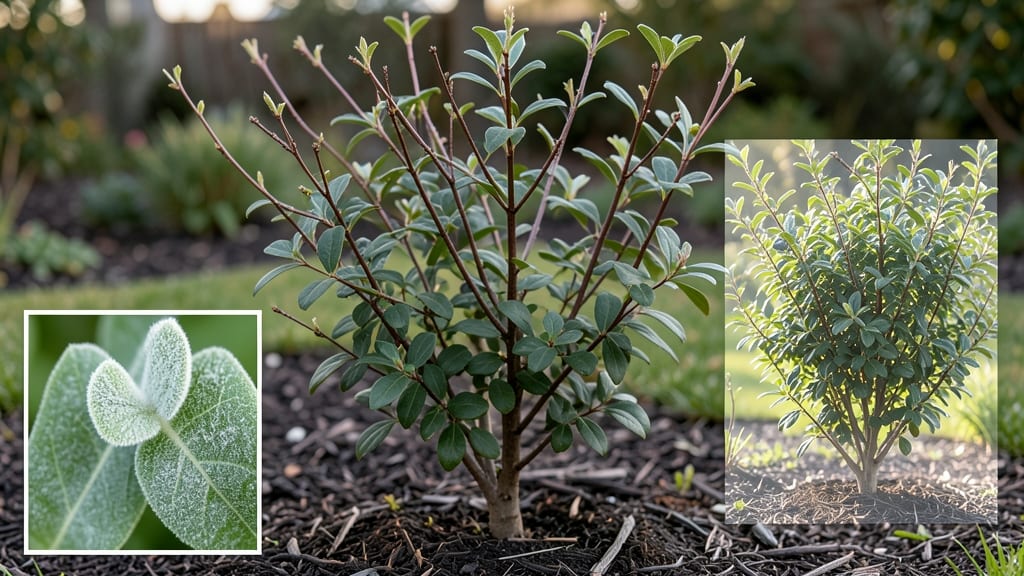
A blueberry bush not flowering can feel like a mystery—until you check the soil, where the real story hides.
Your 🫐 might be thriving with lush leaves but refusing to bloom, leaving you wondering if you’ve failed. The truth? Five hidden soil factors—like pH imbalance or nutrient starvation—are likely the culprits, not your gardening skills. Without flowers, there are no berries, and that’s where the real frustration sets in.
Most gardeners assume fertilizers or pruning are the fix, but the problem often starts beneath the surface. Acidic soil, compacted roots, or even overwatering can silently sabotage flowering, and adjusting these conditions is the key to reviving your bush’s potential.
Below, I’ll walk you through the five most common soil-related causes and the simple steps to correct them—so you can finally enjoy a harvest of plump, juicy berries.
5 Hidden soil factors preventing blueberry bush flowering (and how to fix them)
Your blueberry bush might look healthy with lush green leaves, but if it’s refusing to flower, the problem likely lurks beneath the surface—in your soil. While you might assume it’s a nutrient deficiency or age-related issue, the real culprits are often hidden soil factors that disrupt flowering signals.
The good news? These issues are fixable with targeted adjustments. Let’s uncover the top 5 soil-based roadblocks and how to correct them before next season.
Blueberries are acid-loving plants that rely on precise soil conditions to trigger dormancy-related blooming. Even a slight imbalance in pH, organic matter, or moisture levels can send your bush into a flowering drought.
Standard fertilizers often fail because they don’t address these root-level imbalances. By focusing on soil health, you can restore your bush’s ability to produce abundant flowers and, eventually, sweet berries.
- 1. Soil pH Imbalance
Blueberries thrive in acidic soil (pH 4.0-5.5). A pH above 6.0 blocks nutrient uptake, stifling flower production. Test your soil—if it’s neutral or alkaline, your bush won’t bloom. - 2. Nitrogen-Phosphorus Mismatch
Too much nitrogen (leafy growth) at the expense of phosphorus (flowering) creates a nutrient imbalance. Standard 10-10-10 fertilizers often worsen this by overfeeding nitrogen. - 3. Compacted Soil
Heavy or clay-heavy soil restricts root expansion, limiting access to water and nutrients. Compacted soil also triggers anaerobic conditions, which stress the bush. - 4. Moisture Extremes
Fluctuating between waterlogging and drought stress confuses your bush’s dormancy cues. Blueberries need consistent moisture but hate soggy roots. - 5. Organic Matter Depletion
Without decomposed organic matter, soil lacks the microbes and humus needed to support root health and flowering. Aged compost or peat moss is essential.
Let’s start with the most critical factor: soil pH. Blueberries are extremely sensitive to pH levels, and even a slight shift outside their ideal range (4.0–5.5) can halt flowering.
If your soil tests higher, nutrients like iron, manganese, and phosphorus become locked away, leaving your bush starved despite appearing healthy. The fix? Acidifying amendments like sulfur, pine needles, or peat moss can lower pH gradually.
For a quick test, mix equal parts soil and water, then add a splash of vinegar—if it fizzes, your pH is too high.
Next, nitrogen and phosphorus play a delicate balancing act. Many gardeners over-fertilize with high-nitrogen products (like lawn fertilizers), which promote leafy growth at the expense of flowers. Blueberries need phosphorus-rich fertilizers (like 5-10-10 or bone meal) in early spring to trigger blooming.
Avoid synthetic quick-release fertilizers—they burn roots and disrupt the natural flowering cycle. Instead, opt for slow-release organic options like fish emulsion or composted manure.
Don’t overlook soil compaction, a silent killer of blueberry blooms. Compacted soil restricts root oxygen and water absorption, forcing roots to struggle for survival. If your soil feels hard when pressed or puddles after rain, it’s time to aerate.
Work in 2–3 inches of compost or coarse sand to improve drainage and root expansion. For severe cases, consider deep tilling (but avoid disturbing roots in mature bushes).
Moisture extremes are another common culprit. Blueberries need consistently moist but well-draining soil. If your soil dries out completely or stays waterlogged, your bush’s dormancy signals get scrambled, delaying or preventing flowering. Water deeply 1–2 times per week (more in summer heat) and mulch with pine bark or straw to retain moisture. Avoid overhead sprinklers—they can spread fungal diseases like botrytis, which also inhibit blooming.
Finally, organic matter depletion starves your soil of the microbes and nutrients needed for flowering. Over time, soil loses its ability to retain moisture and nutrients without replenishment. Add 2–3 inches of compost annually in early spring, and mix in peat moss or well-rotted pine needles to maintain acidity.
Avoid fresh manure—it can burn roots and raise pH if not fully decomposed.
To summarize, soil health is the foundation of blueberry flowering. Start by testing your pH and nutrient levels, then address compaction, moisture, and organic matter with targeted fixes. Within 1–2 growing seasons, your bush should reward you with vibrant blooms and a bountiful harvest.
The key is patience—blueberries respond best to gradual, consistent care rather than quick fixes.
Blueberry soil pH guide: the exact range needed for flowers (with test methods)
Blueberries thrive only in acidic soil, and if your bush isn’t flowering, the soil pH is likely the culprit. The ideal range is 4.0 to 5.5, but most garden soils sit between 6.0 and 7.5—far too alkaline for blueberries.
Without the right acidity, your bush may produce leaves but skip the critical flowering stage entirely.
Testing your soil’s pH is simple and takes just minutes. You can use a DIY vinegar/baking soda test or invest in a digital pH meter for precision. Once you know your current pH, organic amendments like elemental sulfur or pine needles can safely lower it over time.
Let’s break down the exact steps to get your soil in the perfect range for blooms.
| Soil pH Level | Flowering Likelihood | Action Needed | Organic Amendment |
|---|---|---|---|
| Below 4.0 | Very Low | Add lime (calcium carbonate) | Wood ash (sparingly) |
| 4.0 - 4.5 | Low | Monitor closely | None needed |
| 4.5 - 5.5 | Optimal | Maintain with amendments | Pine needles, peat moss |
| 5.6 - 6.5 | Moderate | Lower pH gradually | Elemental sulfur |
| Above 6.5 | Very Low | Lower pH immediately | Sulfur + pine bark |
To test your soil’s pH at home, mix 1 tablespoon of soil with ½ cup of distilled water in a container. Add a few drops of vinegar—if it fizzes, your soil is alkaline (pH > 7).
For a baking soda test, stir 1 teaspoon of baking soda into the mixture; if it bubbles, your soil is acidic (pH < 7). For precise readings, a digital pH meter (around $20) is worth the investment.
If your soil tests above 5.5, amend it with elemental sulfur or peat moss. Work 2-3 pounds of sulfur into the top 12 inches of soil per 100 square feet and water thoroughly.
For a slower release, spread pine needles or sphagnum peat around the base of the bush and mulch heavily. Re-test in 2-3 months to monitor progress.
Remember, patience is key—adjusting soil pH takes time, especially in clay-heavy soils. Combine amendments with regular mulching (using acidic materials like pine bark) to maintain the ideal range long-term. With the right pH, your blueberry bush will burst into vibrant blooms and finally deliver that dream harvest.
🌱