
Pests and Diseases
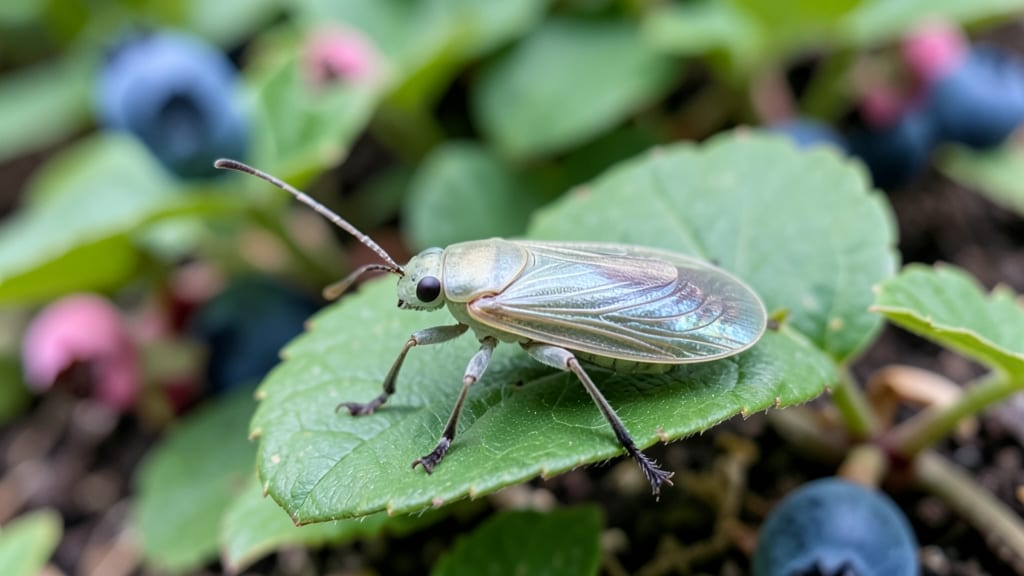
Blueberry bush bugs can turn your healthy harvest into a chewed-up mess if you don’t act fast. 🌿 I’ve battled everything from aphids to Japanese beetles, and the key is catching them early with organic defenses that actually work—no harsh chemicals needed.
The worst offenders—aphids, spider mites, and beetles—love the tender new growth and ripe berries. You’ll spot them as tiny clusters on leaves or as skeletonized foliage. The good news?
A strong spray of neem oil or insecticidal soap knocks them back within 24 hours if applied at the first sign of trouble. By midseason, your bushes will be thriving with plump, juicy berries and zero pest damage.
The secret is regular monitoring and quick action—once bugs get established, they’re harder to control. I’ll show you exactly how to keep them at bay. This works for both backyard bushes and container-grown plants. Let’s get those berries protected!
Root Causes of Blueberry Invaders
Blueberries may be a gardener’s delight, but they’re also a buffet for pests—especially when your bushes become a haven for bugs. Understanding why these critters show up in the first place is the first step to kicking them out for good.
Below, we break down the science behind their unwelcome visits, from environmental triggers to plant vulnerabilities.
Blueberry bushes thrive when healthy, but stress weakens their natural pest resistance. Here’s why bugs take advantage:
- Nutrient Deficiencies: A lack of essential nutrients (like nitrogen, phosphorus, or potassium) makes plants more susceptible to attacks. Bugs like aphids and spider mites target stressed plants because their weakened cell walls are easier to penetrate. Test your soil—low pH (below 4.5) or imbalanced nutrients are red flags.
- Water Stress: Overwatering or drought creates ideal conditions for pests. Japanese beetles and blueberry maggots love moist, soft berries, while drought-stressed bushes attract scale insects seeking sap. Aim for 1–1.5 inches of water per week and improve drainage to avoid soggy roots.
- Disease Pressure: Fungal infections (like mummy berry) or bacterial spots create entry points for secondary pests. Ants, for example, farm aphids that excrete honeydew—feeding on the fungal growth that follows. Prune infected branches immediately and use copper fungicides preemptively.
Bugs don’t invade randomly—they’re drawn to blueberry bushes that offer shelter, food, and moisture. Here’s how your garden might be unknowingly inviting them:
| Pest | Why They Choose Blueberries | Actionable Fix |
|---|---|---|
| Japanese Beetles | Adults feast on leaves and flowers; grubs munch on roots in moist soil. | Reduce thatch buildup, mulch with wood chips (not grass clippings), and trap adults with pheromone traps. |
| Blueberry Maggots | Lay eggs in ripe, soft berries—overripe fruit or poor airflow invites them. | Harvest promptly, thin canes for airflow, and use row covers during flight season (June–July). |
| Spider Mites | Thrive in hot, dry conditions and attack stressed plants. | Mist leaves daily in summer and introduce predatory mites (like Phytoseiulus persimilis). |
| Aphids | Cluster on new growth, drawn to high-nitrogen fertilizer or honeydew from ants. | Spray with neem oil or soapy water, and disrupt ant trails with diatomaceous earth. |
Pests flourish when their natural predators are missing. Here’s how modern gardening disrupts the balance:
- Pesticide Overuse: Broad-spectrum chemicals (like synthetic pyrethroids) kill beneficial insects first—think ladybugs, lacewings, and parasitic wasps. These predators keep pests in check, but one spray can wipe them out for months. Opt for targeted sprays (e.g., horticultural oil for mites) and avoid spraying during bloom to protect pollinators.
- Monoculture Planting: A single-species blueberry patch offers pests a nonstop buffet. Diversify with companion plants like thyme, lavender, or marigolds, which repel insects and attract predator species.
- Lack of Biodiversity: Native plants and wildflowers support ecosystems that regulate pest populations. Leave some “wild” areas in your garden—even a patch of clover or dandelions can host hoverflies, which devour aphid eggs.
💡 Pro Tip: Mulch with straw or pine needles—it confuses pests by disrupting their scent trails and retains moisture without inviting fungal growth. Plus, it mimics natural forest floors, where blueberries originally thrived!
Quick Fixes for Common Blueberry Pests
When tiny invaders threaten your blueberry bushes, acting fast with the right organic solutions can save your harvest—and your sanity! Below are targeted fixes for the most common culprits, paired with easy prevention tips to keep your bushes thriving. No harsh chemicals needed—just smart, natural strategies.
🔥 Cause: These sap-sucking pests cluster on leaves, stunting growth and leaving behind sticky residue (aphids) or webbing (mites). They thrive in dry, hot conditions.
🍳 Fix It Fast:
- Blast them off: Use a strong stream of water from your hose (early morning or evening) to dislodge aphids. Repeat every 2–3 days until gone.
- Neem oil spray: Mix 1 tbsp neem oil + 1 tsp mild soap + 1 quart water. Spray undersides of leaves where pests hide. Reapply after rain.
- Introduce predators: Ladybugs and lacewings love aphids. Buy them online or attract them with dill or fennel plants nearby.
💡 Prevent Return Visits:
- Mulch thickly with straw or wood chips to retain moisture (mites hate humidity).
- Prune regularly to improve airflow—pests avoid crowded bushes.
- Plant companion flowers like marigolds or nasturtiums to repel them naturally.
🔥 Cause: These skeeter-like beetles chew leaves into lace-like patterns, stripping bushes bare in days.
👨🍳 Trapping & Removal:
- Handpick daily: Drop beetles into soapy water (they’re slow and easy to spot).
- Milky spore powder: Sprinkle organic milky spore around the base of the bush (kills beetle grubs in the soil).
- Kaolin clay barrier: Mix 1 cup kaolin clay + 1 gallon water, spray on leaves to create a gritty shield they avoid.
🌡️ Long-Term Defense:
- Set up traps early: Use Japanese beetle traps (but place them away from your bushes—they attract more beetles!).
- Plant trap crops: Sacrifice roses or grapes nearby to lure them away from your blueberries.
- Encourage birds: Install a bird feeder—robins and starlings adore beetle snacks.
🔥 Cause: These white, worm-like larvae burrow into ripening berries, turning them mushy and inedible.
🥘 Organic Spray Schedule:
- Spinosad spray: Use fermentation-based spinosad (derived from soil bacteria) on berries when they’re pea-sized. Follow label rates—it’s safe for humans but deadly to maggots.
- Row covers: Install floating row covers at bloom time to block adult flies. Remove when berries form to allow pollination.
✨ Prevention Starts in Winter:
- Clean up debris: Remove fallen leaves and fruit immediately after harvest to eliminate hiding spots.
- Trap adult flies: Use red sticky traps or apple cider vinegar traps (mix vinegar + dish soap in a jar, cover with plastic wrap + poke holes).
- Plant resistant varieties: Try ‘Duke’ or ‘Jersey’ blueberries—they’re less prone to maggot infestations.
🔥 Cause: White powder (mildew) or gray mold (botrytis) on berries? Humidity and poor airflow are the villains.
🔪 Cure & Protect:
- Baking soda spray: Mix 1 tbsp baking soda + 1 tsp soap + 1 gallon water. Spray under leaves weekly during damp spells.
- Copper fungicide: Use organic copper spray (like Cueva) as a last resort—it’s effective but use sparingly.
- Improve airflow: Prune to open the canopy and space bushes 4–6 feet apart.
🎯 Stop It Before It Starts:
- Water at the roots: Avoid wetting leaves (use drip irrigation).
- Mulch properly: Keep mulch 2–3 inches away from the stem to prevent moisture buildup.
- Sanitize tools: Wipe pruners with rubbing alcohol between cuts to avoid spreading spores.
💡 Pro Tip: Keep a pest journal! Note what worked (or didn’t) each season—your future self will thank you. And remember: Healthy bushes resist pests better—so feed them well with compost and balanced organic fertilizer twice a year.
Frequently asked questions
Which bugs are the worst offenders on blueberry bushes?
The most destructive pests include Japanese beetles (skeletonize leaves), blueberry maggots (ruin fruit), aphids (sap-suckers), and spider mites (thrive in dry heat). These four cause the most damage if left unchecked. Watch for chewed leaves, sticky residue, or tiny webs to spot them early.
Can I use neem oil on ripe blueberries?
No, avoid neem oil when berries are ripening—it can leave a bitter taste. Use it only on leaves and stems before fruit forms. For ripe berries, switch to insecticidal soap or handpick pests. Always follow label instructions for timing.
How do I know if my blueberry bushes are stressed?
Stressed bushes show yellowing leaves, stunted growth, or excessive wilting. Check for nutrient deficiencies (test soil pH—blueberries need 4.5-5.5) or water stress (over/under-watering). Healthy bushes resist pests better, so address these first.
Will companion plants really keep bugs away?
Yes! Plant marigolds (repel beetles), thyme (deters mites), or lavender (confuses aphids) near your bushes. These attract beneficial insects like ladybugs while masking blueberry scents that attract pests. Just keep them 2-3 feet away to avoid competition.
What’s the fastest way to stop a Japanese beetle infestation?
Handpick beetles daily (drop into soapy water) and apply kaolin clay spray (1 cup clay + 1 gallon water). For grubs in soil, sprinkle milky spore powder around the base. Act within 48 hours—they multiply quickly!