
Light Requirements
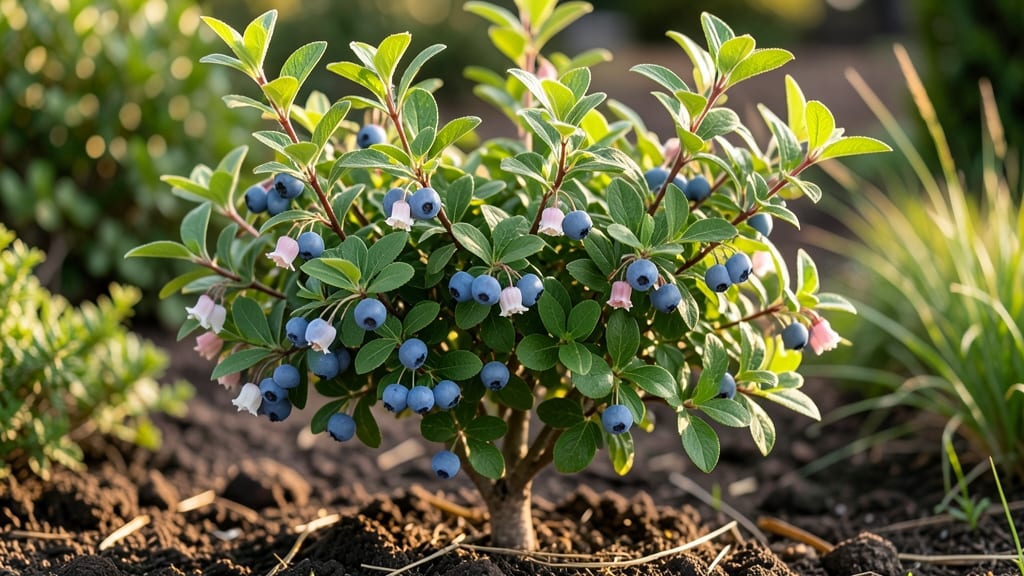
The light requirements for a blueberry bush are critical—these plants need full sun exposure (at least 6 to 8 hours of direct sunlight daily) to thrive and produce sweet, abundant fruit 🫐.
Struggling to get your blueberry bushes to thrive? Sunlight—or the lack of it—could be the hidden factor stalling your harvest. Without enough light, these plants skip flowering, produce tiny berries, or even fail to set fruit entirely.
Even if your soil is perfect, the wrong light conditions can leave you with a bush full of leaves and no harvest.
Most gardeners assume blueberries need "as much sun as possible," but the truth is more nuanced. Northern highbush varieties tolerate a little afternoon shade, while southern types demand unfiltered morning sun to ripen berries.
And if you’re in a hot climate, too much midday sun can actually stress the plant, leading to leaf burn or stunted growth.
In this guide, I’ll break down the exact light requirements for your blueberry bushes—whether you’re growing them in Zone 6a or a container on your patio—plus how to fix common light-related problems before they derail your harvest.

How much sunlight do blueberry bushes need for healthy growth?
Blueberry bushes thrive when they receive the right amount of sunlight, but too little or too much can dramatically affect their growth and fruit production.
As someone who's nurtured these delicate shrubs for years, I can tell you that understanding their light requirements is the first step toward a bountiful harvest.
Most varieties need 6 to 8 hours of direct sunlight daily, but there are key differences between northern and southern highbush types that every gardener should know.
If you're growing northern highbush varieties like 'Bluecrop' or 'Jersey,' they can tolerate slightly less intense sunlight, especially in cooler climates. Meanwhile, southern highbush varieties like 'Southern Highbush' or 'Misty' often need more protection from harsh afternoon sun.
Getting this balance right ensures your bushes produce large, flavorful berries instead of struggling with poor flowering or small fruit.
| Variety | Sunlight Needs | Best Location | Seasonal Adjustments |
|---|---|---|---|
| Northern Highbush (e.g., 'Bluecrop') | 6-7 hours | Morning sun, afternoon shade | Tolerates partial shade in summer |
| Southern Highbush (e.g., 'Southern Blue') | 7-8 hours | Full sun with afternoon shade | Needs protection from intense heat |
| Lowbush (e.g., 'Patriot') | 5-6 hours | Partial shade or dappled light | Best in cooler, shaded areas |
| Rabbiteye (e.g., 'Climax') | 8+ hours | Full sun with wind protection | Requires heat tolerance |
One common mistake I see gardeners make is assuming all blueberry bushes need the same amount of sunlight. For example, rabbiteye varieties like 'Climax' actually thrive with 8 or more hours of sun, making them ideal for warmer climates.
Meanwhile, lowbush varieties can struggle in full sun, especially in hotter regions. Always check your specific variety’s requirements before planting.
Seasonal adjustments are also critical. In summer, I recommend providing afternoon shade for southern highbush varieties to prevent leaf scorch. You can achieve this by planting them near taller trees or using shade cloth.
Conversely, in winter, these bushes benefit from maximum sunlight exposure to harden off and prepare for dormancy.
To measure sunlight accurately, use a sunlight tracker or observe your garden throughout the day. Place a white board where you plan to plant and mark the shadows at different times. If shadows are shorter than 2 feet for most of the day, you likely have enough sunlight.
If shadows stretch long and thin, consider a sunnier spot or supplement with grow lights.
Another tip I swear by is pruning for sunlight. Thin out dense branches to improve air circulation and ensure all parts of the bush receive adequate light. This not only boosts fruit production but also reduces the risk of fungal diseases.
Aim to remove any branches that are shading the center of the plant, as this area often gets the least sunlight.
If you're growing blueberries in containers, place them in the sunniest spot possible and rotate them weekly to ensure even light exposure. Containers dry out faster, so they also need more frequent watering, but the sunlight requirements remain the same.
A south-facing patio or balcony is often the best choice for container-grown blueberries.
Finally, watch for signs of light stress, such as yellowing leaves or small, underdeveloped berries. These are clear indicators that your bushes aren’t getting enough sunlight. On the flip side, leaf burn or wilting can signal too much intense sunlight, especially in hot climates.
Adjusting their location or providing shade can quickly turn things around.
With the right sunlight balance, your blueberry bushes will reward you with vibrant growth and sweet, juicy berries year after year. Start by choosing the right variety for your climate, then monitor and adjust their light exposure as needed. Your future harvests will thank you! 🫐☀️
Signs your blueberry bush isn’t getting enough (or too much) light
Blueberry bushes thrive under 6-8 hours of direct sunlight daily, but too little or too much light can spell disaster for your harvest. If your plants look weak, leggy, or scorched, light exposure is likely the culprit.
Recognizing these signs early helps you adjust care and restore your bush's health before it's too late.
When blueberries lack sufficient light, they often produce small, tart berries or fail to flower altogether. On the flip side, excessive sunlight can cause leaf burn, especially in hot climates. Let’s break down the key indicators and how to fix them before your next harvest season.
Light Issues in Blueberry Bushes
- Pale, yellowish leaves
- Leggy, sparse growth
- Few to no flowers
- Small, underdeveloped berries
- Brown, crispy leaf edges
- Wilting or scorched leaves
- Stunted berry growth
- Premature leaf drop
One of the first visual red flags of insufficient light is pale, yellowing leaves that stretch toward the sky in search of sunlight. This condition, called etiolation, weakens the plant’s structure and reduces its ability to photosynthesize efficiently.
If you notice your blueberry bush developing long, thin stems with sparse foliage, it’s a clear sign it needs more light.
On the opposite end, leaf burn is a classic symptom of too much light, especially in hot, dry climates. Look for brown or crispy edges on leaves that appear otherwise healthy.
This damage occurs when the plant’s water loss exceeds its ability to absorb moisture, often worsened by high temperatures. Providing afternoon shade with a lightweight shade cloth can help protect your bush during peak sunlight hours.
Beyond leaf health, flowering and fruiting are directly impacted by light exposure. Blueberries need adequate sunlight to initiate flower buds and develop plump, sweet berries. If your bush produces few flowers or tiny, tart berries, it’s likely not receiving enough light.
Move your plant to a sunnier location or supplement with a grow light for 4-6 hours daily during shorter days.
For container-grown blueberries, rotate pots weekly to ensure even light exposure on all sides. This prevents one-sided growth and ensures your bush stays balanced. If you’re in a shady climate, choose low-chill varieties like 'Top Hat' or 'Peach Sorbet,' which tolerate partial shade better than traditional highbush types.
Regularly inspect your blueberry bush for these signs, and act quickly to restore optimal light conditions. With the right adjustments, your plant can bounce back and reward you with abundant, flavorful berries for years to come. 🫐