
Pruning
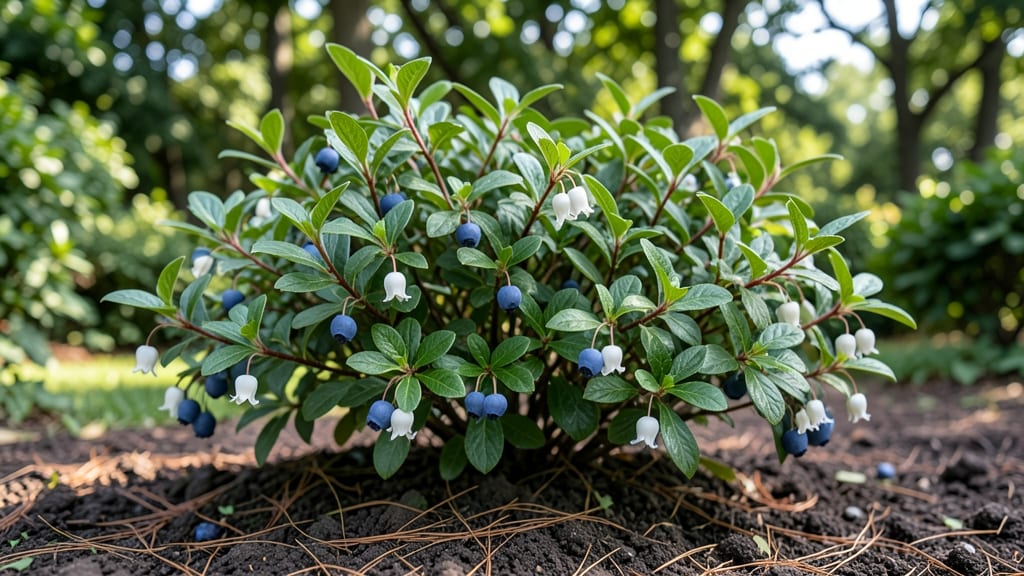
A full-grown blueberry bush 🫐 can reach heights of 6 to 12 feet—but its true potential depends on how you care for it year-round.
Picture this: You’ve waited years for your blueberry bush to mature, only to find it struggling with tangled canes, poor fruit production, or even disease. The secret? A smart pruning schedule that keeps it healthy and productive.
In this guide, I’ll walk you through the seasonal pruning steps that maximize fruit yield, from winter cleanup to summer shaping. You’ll also learn how to adjust for your climate zone and avoid common mistakes that waste years of growth.
By the end, you’ll know exactly when to prune, what tools to use, and how to support your bush for decades of harvests—without the guesswork.
Full-grown blueberry bush pruning schedule by season
A full-grown blueberry bush thrives on a structured pruning routine that aligns with its dormant and active growth phases. Pruning at the wrong time can stress the plant, reduce fruit production, or even invite diseases.
My schedule focuses on three key seasons: winter (dormant), spring (early growth), and summer (fruit-bearing). Each phase has specific goals—like removing dead wood in winter or thinning canes in summer—to keep your bush productive for decades.
Climate plays a huge role in timing. In colder zones (USDA 3-5), I prune later in winter to avoid frost damage, while in warmer zones (USDA 7-9), early spring pruning works better.
For example, in Zone 6, I wait until late February, but in Zone 8, I start by mid-January. Always check for last frost dates in your area to avoid pruning too early.
Tools you’ll need include bypass pruners for small branches, loppers for thicker canes (up to 1-inch diameter), and gloves to protect from thorns. Disinfect tools with rubbing alcohol between cuts to prevent spreading diseases like blueberry stem blight. Keep a sharp pruning saw handy for any stubborn, woody stems that won’t yield to loppers.
Here’s my seasonal pruning breakdown for a mature blueberry bush, tailored to maximize fruit production while keeping the plant healthy:
| Season | Key Tasks | Timing | Tools Needed | Goal |
|---|---|---|---|---|
| Winter (Dormant) | Remove dead, diseased, or crossing canes. Cut back last year’s fruit-bearing wood by 1/3 to encourage new growth. | Late winter (after last frost, before buds swell) | Bypass pruners, loppers, gloves | Improve air circulation, reduce pest/disease risk |
| Spring (Early Growth) | Trim weak or spindly growth. Thin out overcrowded canes to maintain an open center. | Early spring (after first flush of leaves) | Pruners, gloves, sharp saw | Encourage strong framework for fruit production |
| Summer (Fruiting) | Remove suckers (shoots from base). Lightly trim overly vigorous growth to redirect energy to fruit. | Post-harvest (late summer) | Pruners, gloves | Maintain plant health, prevent overgrowth |
| Year-Round | Monitor for diseased canes (blackened or oozing). Prune out immediately to prevent spread. | As needed | Disinfecting tools, pruners | Protect plant health year-round |
In winter, I focus on structural pruning—removing canes that are older than 5 years, as they produce fewer berries. Look for grayish-brown canes with no green shoots; these are ready for the chop.
I also cut back any crossing branches that rub against each other, as this creates wounds where diseases can enter. For highbush varieties, I aim to keep the bush at 3-5 feet tall for easier harvesting.
When spring arrives, my goal shifts to encouraging new growth. I prune just as the buds swell but before leaves emerge. This timing ensures the plant isn’t stressed during its critical flowering phase.
I remove any weak or damaged canes and thin out the center to allow sunlight and air to reach inner branches. This step is crucial for preventing fungal issues like powdery mildew, which thrives in shaded, humid conditions.
During summer, I keep pruning minimal to avoid stressing the plant while it’s fruiting. My main task is removing suckers—those aggressive shoots that pop up at the base of the bush. These divert energy from fruit production.
I also trim any overly long or leggy branches to maintain a balanced shape. Post-harvest, I give the bush a light trim to prep it for the next growing season, focusing on removing
How to prune a mature blueberry bush for maximum fruit
A mature blueberry bush thrives with regular pruning, but many gardeners hesitate because they fear cutting too much. The key is understanding which canes to remove and when. Blueberries produce fruit on second-year wood, so aggressive pruning can reduce yields if done incorrectly.
Start by identifying healthy vs. dead canes—this simple step ensures you only prune what’s necessary.
Your pruning tools are just as important as technique. Use sharp bypass pruners for clean cuts on smaller branches and loppers for thicker canes. Always sterilize tools with rubbing alcohol between cuts to prevent spreading diseases like canker.
Wearing gloves protects your hands from thorns and sap. Gather these tools before you begin to streamline the process.
Never prune in wet weather—this spreads fungal spores. Wait for dry days and avoid pruning when blueberry bushes are flowering (late spring). Over-pruning can reduce next year’s fruit production by up to 40%.
Begin by removing dead or diseased wood first—these canes are usually brown, brittle, or covered in mold. Cut them back to the main stem at a 45-degree angle to prevent water from pooling.
Next, thin out overcrowded canes to improve airflow. Aim to leave 6-8 strong canes per bush, spacing them evenly. This reduces competition for nutrients and sunlight, boosting fruit quality.
Shape your bush by shortening last year’s fruiting canes to about 12-18 inches from the base. These canes produced fruit this year but will need to regrow for next season.
Avoid cutting back current season’s growth—these are next year’s fruit producers. Label canes with flags if needed to track their age and purpose.
Common pruning mistakes include removing too many canes at once or cutting into old wood. If you accidentally prune a productive cane, don’t panic—blueberries are resilient. Focus on maintaining a balanced structure with a mix of old and new growth.
After pruning, apply a 2-inch layer of mulch around the base to retain moisture and acidity.
Finish by cleaning up fallen leaves and debris from under the bush. This reduces pest habitats and fungal risks. Water deeply after pruning to help the plant recover. With proper pruning, your mature blueberry bush can yield pounds of berries for decades—just follow these steps each year! ✂️🫐