
Shrubs
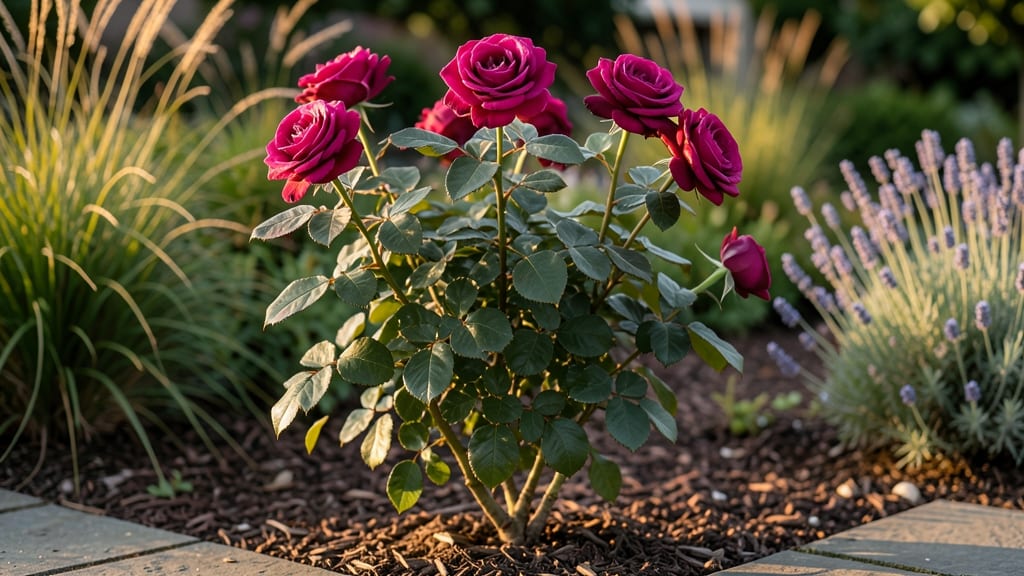
Growing the biggest rose bushes starts with choosing 'Belinda's Dream' or 'Double Delight'—varieties that naturally reach 6-8 feet tall with proper care. 🌹 I planted mine last spring, and by summer, they were already climbing my fence, their petals spilling over like a living waterfall.
The secret isn’t just the variety—it’s the way you nurture them from the ground up. These giants need full sun (6+ hours daily) and rich, well-draining soil mixed with compost. I swear by a slow-release fertilizer in early spring and monthly liquid feedings during bloom season.
Water deeply once a week (more in heatwaves), but never let them sit in soggy soil—that’s how black spot takes hold. Prune strategically in late winter to encourage thicker canes and more buds, cutting just above an outward-facing bud.
By mid-summer, your bushes will be bursting with blooms—so many you’ll need to deadhead regularly to keep them producing. The fragrance alone makes it worth the effort, but the sheer size? That’s the real showstopper.
These roses aren’t just plants; they’re living trellises that transform any space into a romantic retreat. For best results, space them 4-6 feet apart to give roots room to spread. If you’re in a cooler climate, mulch heavily in winter to protect the roots.
And here’s the kicker: the bigger the bush, the more dramatic the blooms—think football-sized flowers that turn heads at neighborhood barbecues. Ready to grow a rose that steals the show?
📚 In This Guide
- What you need
- Instructions
- Tips and common mistakes
- Wrapping up and next steps
What you need
- ● Rose bushes: Choose from towering varieties like ‘Double Delight’, ‘Knock Out’, or ‘Zephirine Drouhin’ (climbing roses can reach 15–20+ feet!). Buy 3–5 plants for a fuller look.
- ● Well-draining soil: Mix 1 part compost with 2 parts native soil (or use pre-mixed rose soil). Aim for a 6.0–6.5 pH.
- ● Organic fertilizer: 10-10-10 or rose-specific fertilizer (e.g., Espoma Rose-Tone). Apply every 4–6 weeks during growing season.
- ● Mulch: 3–4 inches of wood chips or straw to retain moisture and suppress weeds.
- ● Watering can or hose: With a gentle spray nozzle (roses hate soggy roots!).
- ● Pruning shears: Bypass pruners (sharp, clean, and disinfect after use to prevent disease).
- ● Support system: For standard roses: Sturdy stakes (6–8 ft tall) or a trellis.
- ● For climbing roses: Heavy-duty arbor, pergola, or fence (rated for 50+ lbs of weight).
- ● Rose food spikes: Slow-release granules for 3–4 months of nutrients.
- ● Drip irrigation system: Automates watering and saves time.
- ● Copper fungicide: Prevents black spot and powdery mildew (apply every 2–3 weeks in humid climates).
- ● Epsom salt: Boosts magnesium (mix 1 tbsp per gallon of water, spray foliage monthly).
- ● Decorative accents: Solar-powered lights, garden flags, or pebbles for a polished look.
How to grow the biggest, most dramatic rose bushes
These towering varieties aren't just pretty—they're statement-makers. Here's how to coax their full potential from seedling to sky-scraping glory.
🌱 Step 1: Select the Right Varieties for Maximum Height
For 10-15 foot giants, focus on climber types like 'New Dawn' (9-12 feet) or 'Blaze' (10-15 feet). These aren't your grandmother's tea roses—they're vigorous, thorny, and built for vertical growth. I always check the plant tag for "climbing" or "rambling" labels, as these indicate natural height potential.
Buy bare-root specimens in late winter for best results. You'll see the graft union marked—this tells you where the top growth begins. The thicker the root system at the base, the faster it will establish and reach for the sky. Handle roots carefully; even a small tear can set back growth by weeks.
☀️ Step 2: Plant in Full Sun with Deep Soil Preparation
These roses demand 6+ hours of direct sun daily—no exceptions. Partial shade will stunt their vertical ambitions. I dig a hole twice as wide as the root ball but only 6 inches deep—these roots spread wide, not deep. Amend the native soil with 3 inches of compost mixed into the bottom and sides of the hole.
Here's the thing—these giants need room to breathe. Space them 8-10 feet apart from other plants or structures. You'll see why when the canes start arching outward in search of support. Install a 10-foot tall trellis or arbor immediately—these plants will test its strength within a season.
💧 Step 3: Water Deeply and Fertilize for Vertical Growth
First year is all about root establishment. Water deeply once weekly until the soil is 12 inches down moist. You'll know you've gone deep enough when water appears at the surface again—this means the roots are reaching. Mulch with 3 inches of wood chips to retain moisture and protect roots from temperature swings.
Feed with a balanced rose fertilizer (10-10-10) every 4-6 weeks during growing season. These hungry plants will show you when they're satisfied—lush, deep green leaves and rapid cane elongation. Too little fertilizer results in sparse foliage and weak stems that can't support their own weight.
✂️ Step 4: Prune for Height and Structure
First pruning happens in early spring before new growth. Cut back last year's canes by one-third to encourage vigorous new shoots. You want to maintain an open center—this prevents disease and allows sunlight to reach all parts of the plant. I always make cuts just above an outward-facing bud to direct growth away from the center.
Throughout the season, remove any crossing canes or weak growth. These roses will naturally produce 8-12 foot canes—let them grow without interference. The key is support: install flexible ties every 12 inches along the trellis to guide canes upward without restricting growth. You'll see dramatic height gains when canes find something to climb.
🌿 Step 5: Maintain Through Seasonal Changes
Fall is for cleanup. Prune back canes by half their height and remove all dead or diseased wood. These plants go dormant in winter but their roots stay active—keep the soil consistently moist until frost. I wrap the base with burlap for extra protection against winter winds.
Spring brings the real show. You'll see new shoots emerge from the base and along the canes. These are your future height champions—give them space to grow. Watch for aphids on new growth; a strong spray of water usually clears them before they become a problem. These giants reward patience with 15-foot canes by their third year.
Tips & tricks for cultivating towering rose bushes
Real talk: These aren't your average garden roses—we're talking architectural statements that need the right conditions to reach their full potential.
Variety Selection Matters: The 'climbing' or 'rambling' labels on plant tags are your golden ticket. These varieties have been bred specifically for vertical growth, unlike bush roses that max out at 4-5 feet. I've seen 'Blaze' roses hit 15 feet in just three years when given proper care—it's all about choosing the right genetic foundation. Look for thick canes at the nursery; these indicate strong structural support for future height.
Root System Strategy: When handling bare-root specimens, never let those roots dry out—wrap them in damp paper towels if you can't plant immediately. The root system is what will fuel that dramatic vertical growth, and even a small tear can set back your rose's ambitions by weeks. I've learned this the hard way after watching a beautiful 'New Dawn' struggle for two seasons because of damaged roots during planting.
Support System is Non-Negotiable: That 10-foot trellis isn't just decorative—it's essential. I've seen roses with 8-foot canes topple over because they weren't properly supported. Install your trellis before planting, and use flexible ties every 12 inches to guide canes upward. The key is to let the plant find its own way while providing just enough guidance to prevent sagging.
Pruning Precision: When you make those one-third cuts in Step 4, always cut just above an outward-facing bud. This isn't just technical advice—it's about directing growth away from the center where it would create congestion. I've watched roses transform from tangled messes to elegant vertical structures simply by following this one pruning principle. The open center also allows sunlight to penetrate all the way to the base, encouraging more vigorous growth lower down.
Pro Tips for Biggest Rose Bushes
- Real talk: These aren't your average garden roses—we're talking architectural statements that need the right conditions to reach their full potential.
- Variety Selection Matters: The 'climbing' or 'rambling' labels on plant tags are your golden ticket.
- Root System Strategy: When handling bare-root specimens, never let those roots dry out—wrap them in damp paper towels if you can't plant immediately.
Frequently asked questions
Got questions about growing the biggest, most breathtaking rose bushes in your garden? You’re in the right place! Here are some of the most common queries—plus expert answers to help you cultivate a showstopping rose display with confidence.
How do I choose the right variety for a giant rose bush?
Opt for climbing roses or standard roses like ‘New Dawn,’ ‘Blaze,’ or ‘Zephirine Drouhin’—these can reach 10–20 feet tall! For smaller spaces, try shrub roses like ‘Knock Out’ or ‘Double Delight,’ which still pack a punch at 4–6 feet. Check your USDA hardiness zone to match the rose’s cold tolerance.
How long does it take for a rose bush to reach its full size?
Patience is key! Most giant varieties take 2–3 years to mature fully, though some (like ‘New Dawn’) may grow 3–5 feet per year with ideal care. Prune strategically in late winter to encourage bushier growth and faster height gains. Expect blooms within the first year, but peak size and volume come later.
What’s the secret to keeping giant rose bushes hydrated?
Deep watering 2–3 times per week (more in extreme heat) is critical—aim for 1–2 inches of water per week. Use soaker hoses or drip irrigation to deliver moisture directly to the roots. Mulch with 3–4 inches of organic matter (like wood chips) to retain moisture and protect roots. Avoid overhead watering to prevent fungal diseases.
Why are my giant rose leaves turning yellow, and how do I fix it?
Yellow leaves often signal overwatering, nutrient deficiency, or pests. Check the soil—it should be moist but not soggy. Test for chlorosis (yellowing between veins), which may mean iron deficiency (common in alkaline soil). Apply chelated iron or adjust pH to 6.0–6.5. Inspect for aphids or spider mites and treat with neem oil if needed.
Can I grow giant rose bushes in containers? What’s the best setup?
Yes! Choose a large container (at least 15–20 gallons) with drainage holes and use a well-draining potting mix blended with compost. Varieties like ‘Climbing Iceberg’ or ‘The Fairy’ thrive in pots. Ensure the container is wider than it is tall (roses have shallow roots) and fertilize monthly with a balanced rose food during growing season.
Wrapping up and next steps
Growing biggest rose bushes in your garden isn’t just about space—it’s about passion, patience, and the joy of nurturing nature’s masterpieces. Whether you’re drawn to the Louis Philippe’s dramatic height or the Zephirine Drouhin’s velvety blooms, these giants reward dedication with breathtaking beauty.
Start small, plan wisely, and watch your garden transform into a fragrant, floral paradise!
🌹 Ready to take the next step? Pick your favorite variety, gather your tools, and get planting—your future rose bush will thank you with years of stunning blooms! 🌱