
How To
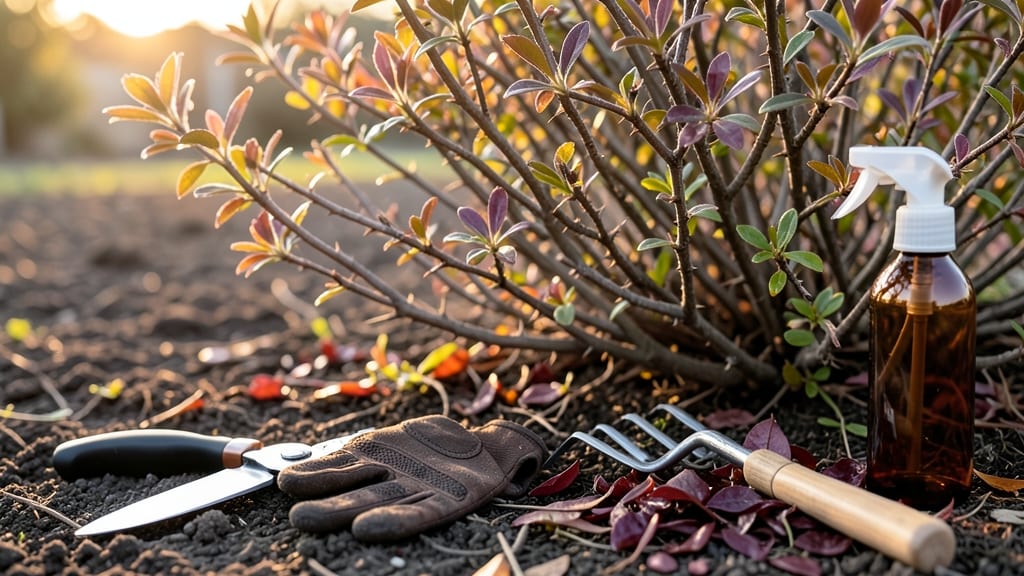
Trimming barberry bushes at the right time ensures healthier growth and prevents disease, and late winter is when you should do it.
Picture this: You’ve just finished pruning your 🌿 barberry in summer, only to watch new growth struggle or pests move in. That’s because timing matters more than you think—especially in Zone 6a climates where late frosts linger.
Late winter’s dormancy period is the sweet spot for pruning, as it encourages fresh, vigorous shoots while avoiding stress. But rush it too early, and you risk damaging tender buds; wait too long, and you’ll miss the prime window for shaping.
In this guide, I’ll walk you through the exact steps to trim your barberry like a pro—when to cut, how much to remove, and what tools to use—for stronger bushes all season long.
Why late winter dormancy is the best time to trim barberry bushes
Barberry bushes thrive when pruned during their dormancy period, which occurs in late winter (typically February to early March). This timing aligns perfectly with the plant's natural cycle, allowing you to shape growth while minimizing stress.
When you prune at this stage, you're essentially giving your barberry a fresh start for the upcoming season.
During dormancy, barberry bushes conserve energy and resources, making them far more resilient to pruning. Cutting back now removes dead or weak branches while stimulating new, vigorous growth in spring.
This approach also reduces the risk of disease transmission, as open wounds heal more efficiently when the plant isn't actively growing.
Pruning during dormancy also helps maintain the desired shape and size of your barberry. Many gardeners avoid heavy pruning in other seasons because it can lead to stunted growth or even dieback. By waiting until late winter, you ensure your barberry has the best chance to recover and flourish.
Here’s a quick comparison of why late winter stands out as the optimal time for pruning:
| Pruning Time | Plant Response | Disease Risk | Growth Impact |
|---|---|---|---|
| Late Winter (Dormancy) | Stimulates new growth | Low (healing wounds) | Vigorous spring regrowth |
| Early Spring (Bud Break) | Slows growth temporarily | Moderate (open wounds) | Delayed recovery |
| Summer (Active Growth) | Stresses the plant | High (fungal risk) | Stunted or weak growth |
| Fall (Pre-Winter) | Limited regrowth | Moderate (slow healing) | Reduced winter hardiness |
If you prune your barberry in early spring, just as buds begin to swell, you risk delaying new growth and weakening the plant.
The energy it would normally use to push out fresh leaves and stems is diverted to healing the pruning wounds, leaving it vulnerable to pests and diseases. This is why many experienced gardeners swear by the late winter rule—it’s a fail-proof way to keep your barberry healthy and thriving.
Pruning in summer is a common mistake that can have severe consequences. During active growth, barberry bushes are already diverting energy to produce leaves, flowers, and berries. Heavy pruning at this time can shock the plant, leading to dieback or even death in extreme cases.
Additionally, summer pruning increases the risk of fungal infections, as open wounds take longer to heal in warm, humid conditions.
For those in warmer climates (USDA Zones 8-10), late winter might still feel like mild weather, but the key is to prune before bud break. In these regions, aim for January to early February to ensure you’re still working with a dormant plant.
The goal is to avoid cutting into new growth, which can be especially tempting when the weather feels spring-like.
One of the biggest benefits of late winter pruning is the improved air circulation it provides. By removing crossing or crowded branches, you reduce humidity levels within the bush, which is crucial for preventing powdery mildew and other fungal diseases.
This is particularly important for barberry varieties that produce ornamental berries, as healthy foliage leads to more vibrant and abundant fruit.
Finally, pruning in late winter allows you to inspect the plant thoroughly. You can easily spot dead, diseased, or damaged branches that may have gone unnoticed during the growing season. Removing these immediately prevents them from spreading issues to healthier parts of the bush.
Think of it as a health checkup for your barberry—giving it the best possible start to the year.
So, if you’ve been putting off pruning your barberry, now is the time to act. Grab your pruners, mark your calendar for late February or early March, and give your bush the care it deserves.
Your barberry will reward you with lush foliage, vibrant berries, and years of healthy growth—all because you pruned at the perfect time. ✂️🌿
Step-by-step guide to pruning barberry bushes in late winter
Late winter is the perfect window to prune your barberry bushes—just before bud break—when the plant is dormant but ready to burst into new growth. This timing ensures you remove dead or weak branches while encouraging a thicker, healthier shrub for the coming season.
Miss this window, and you risk stunting growth or inviting pests. Let’s break it down step by step.
Before you grab your pruners, gather the right tools: sharp bypass pruners for clean cuts, loppers for thicker branches, and gloves to protect your hands from thorns. You’ll also want disinfectant to clean tools between cuts and a bucket to collect debris.
Pro tip: Prune on a dry, frost-free day to reduce stress on the plant.
Step-by-Step Pruning Guide
- 1 Identify dead or damaged branches: Look for brown, brittle stems or those without foliage or buds. These should be removed first.
- 2 Cut back by 1/3: Remove up to one-third of the oldest wood to encourage new growth. Focus on inner branches to improve airflow.
- 3 Shape for density: Trim to create an open center and rounded shape. Avoid cutting back to bare wood—leave a bud or small stem to promote regrowth.
- 4 Clean cuts only: Use your pruners to make 45-degree angles just above a bud or branch collar. Avoid tearing the bark, which can invite disease.
- 5 Post-pruning care: Water deeply to reduce stress and apply a layer of mulch around the base. Avoid fertilizing until new growth appears in spring.
After pruning, your barberry will reward you with vibrant new foliage and denser branches by late spring. Just remember: never prune in fall, as this can leave the plant vulnerable to winter damage.
If you’re in a warmer climate (Zones 8-10), aim for early February to avoid encouraging early growth too soon.
For young barberry bushes (under 3 years old), minimal pruning is needed—just remove dead or crossing branches. Older shrubs benefit most from rejuvenation pruning, where you cut back older stems to the ground every few years. This keeps the plant youthful and vigorous for decades.
With the right timing and technique, your barberry will thrive, offering year-round interest with its ornamental berries and lush foliage. Happy pruning! ✂️🌿